PRISONERS HARBOR
LIMUW
CHANNEL ISLANDS NATIONAL PARK: PRISONERS HARBOR, SANTA CRUZ: A BOAT RIDE AND A PICNIC: UGLY LENTIL SOUP AND HUMBLE OATMEAL MUFFINS
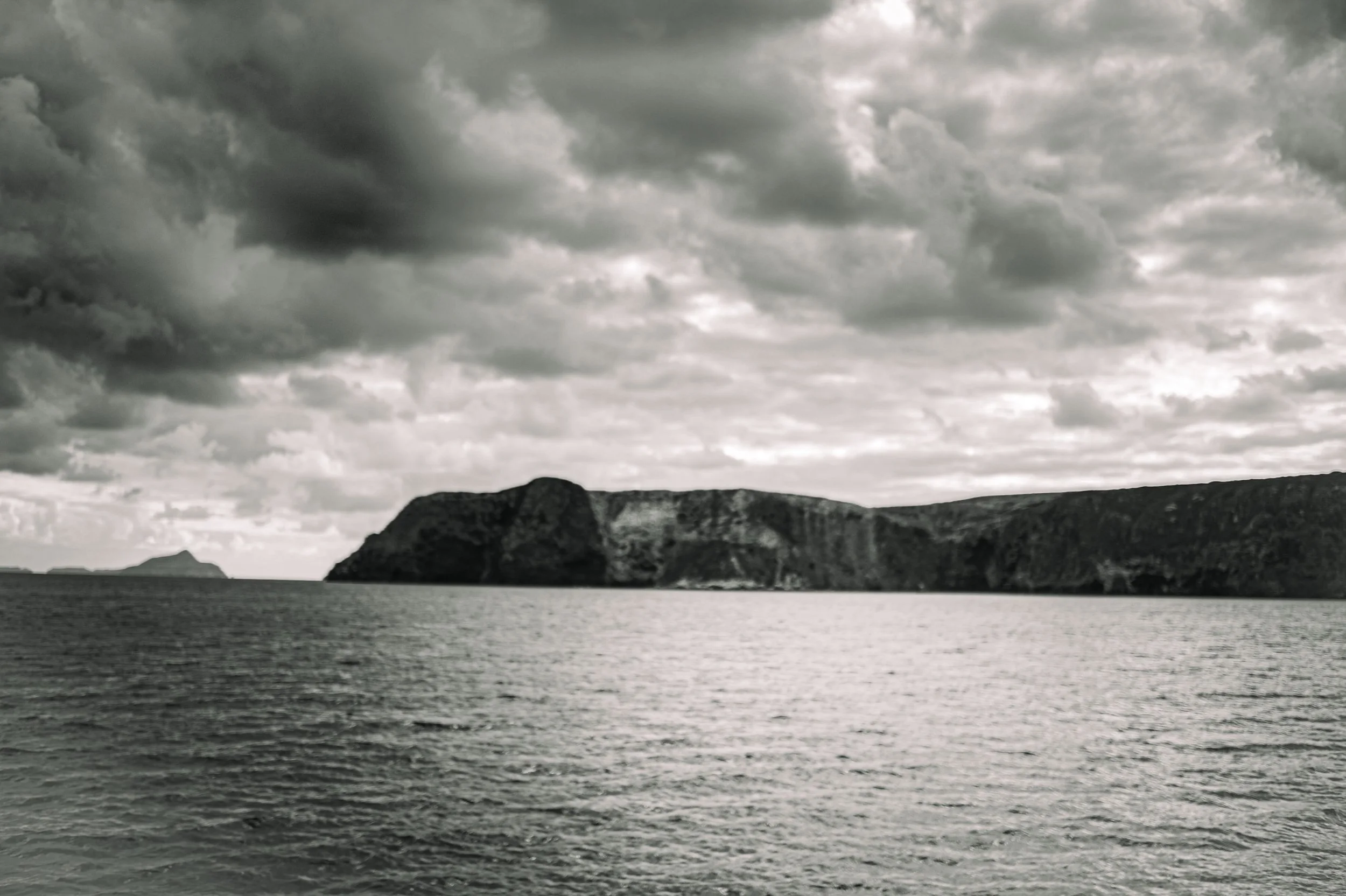


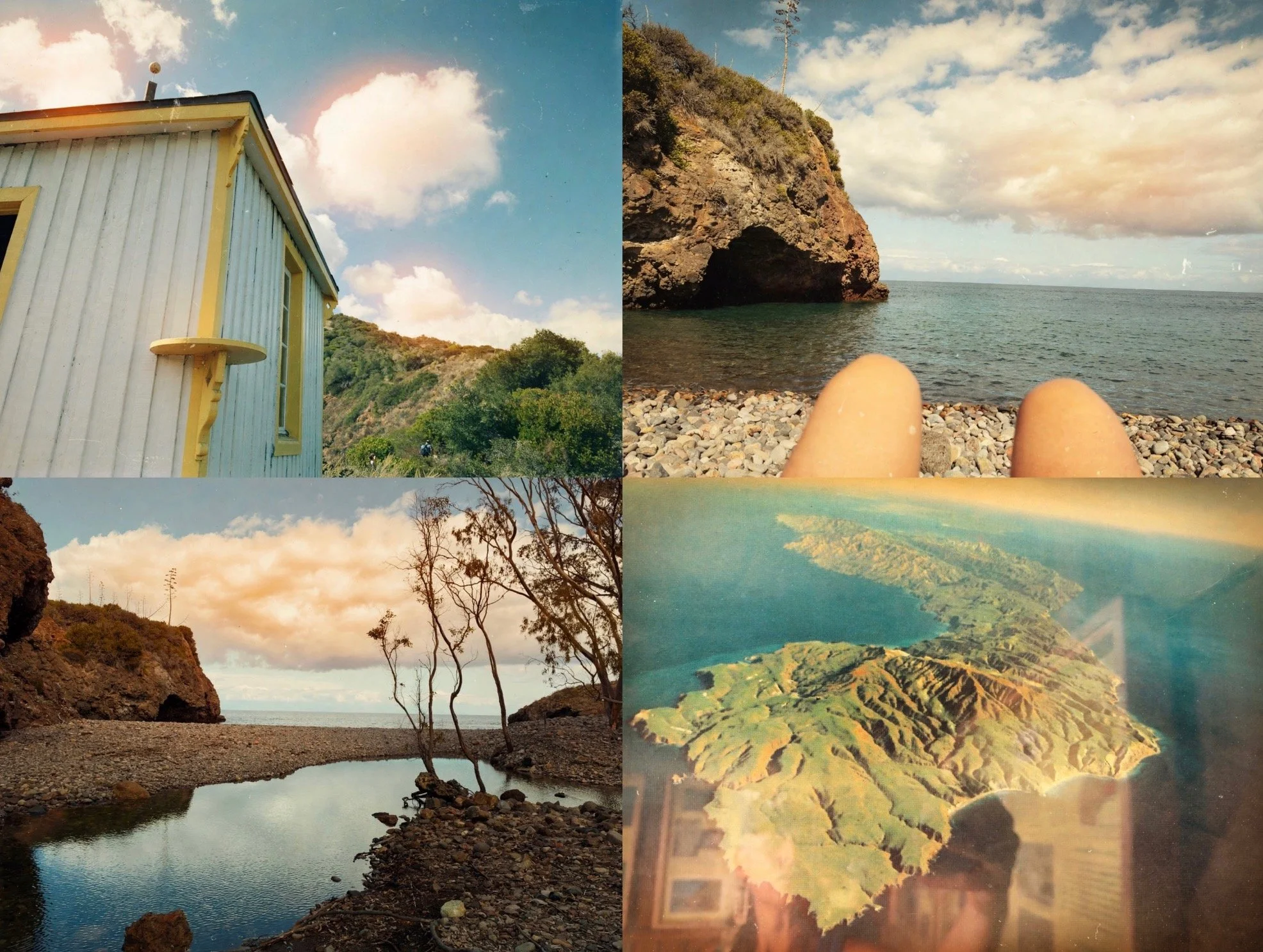
It is said that when they crossed from the island to the mainland it was on a rainbow. Not everyone made the crossing. Some became dizzy and looked down. They fell from the sides of the colorful bridge into the blue ocean. With a kind heart, Hutash turned them into dolphins. To this day the Chumash still regard the dolphins as their brothers and sisters.
Limuw is considered the birthplace of the Chumash people. Hutash, mother earth, planted seeds from a magic plant into the island soil and so sprouted the first people of the land. Hutash’s husband Alchupo’osh, the Sky Snake, used a bolt of lightening to give them fire and so they made their home. When the people grew and the communities became too noisy, Hutash became frustrated so she built the rainbow bridge to carry the people from the island to the mainland. And so goes the story.
The earliest human presence on the Channel Islands dates back nearly 11,500 years. By the 16th century, the islands and the adjacent mainland coastline were the most densely inhabited areas in California, with around 15,000 to 20,000 Chumash Indians. Santa Cruz Island, which the Chumash called Limuw ( meaning “in the sea”), was home to roughly 1200 Chumash living in ten permanent villages across the island.
The island people subsisted on wild plants and animals; mainly fish, shell fish and marine mammals. Around 2000 years ago they developed the tomol, which was a sea faring canoe built out of drift wood and laced together and sealed with tar. These boats were useful for fishing but also allowed for channel crossings from the island to the mainland, which developed a thriving trade relationship between Chumash communities. The mainland Chumash referred the island people as the Michumash, the “place of those who make shell bead money.” Santa Cruz Island provided almost all of the shell beads used in trade throughout southern California.
The Spanish began establishing missions in the area in 1782. Epidemic diseases destroyed the native populations and the trade networks collapsed. By 1816, any surviving Chumash islanders moved to the mainland.
The European discovery of the island was attributed to Juan Rodriguez Cabrillo in 1542, but the island didn’t receive it’s Spanish name of Santa Cruz until 1769, when Juan Perez claimed the island for the King of Spain, during the sea expedition of the Gaspar de Poriaola. A priest, who was part of the expedition, had left on the island a staff with a cross on the top. A local Chumash had found the staff and returned it to the ship. Perez, christened the island, La Isla de la Santa Cruz, the Island of the Holy Cross, to honor the event.
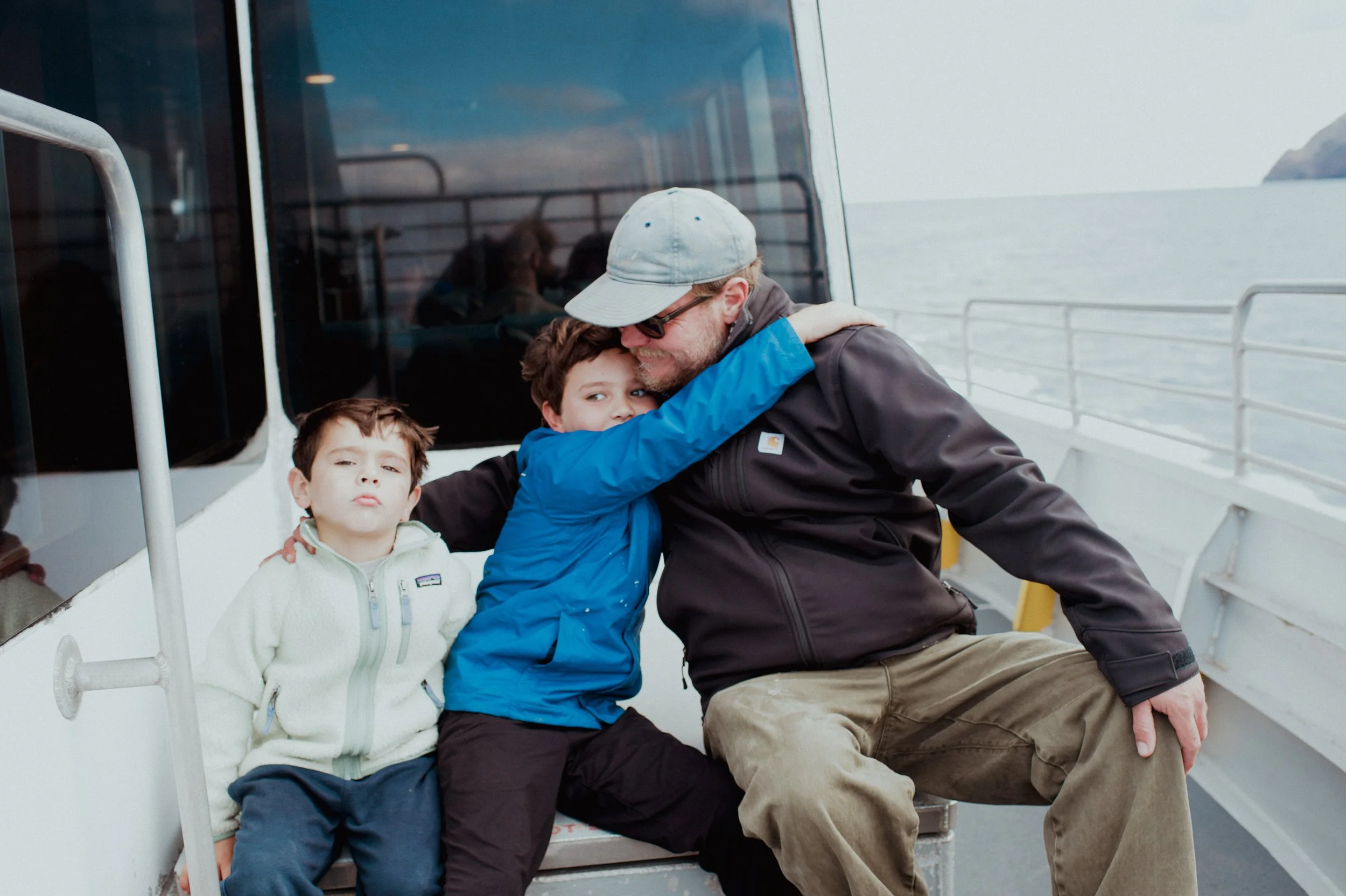
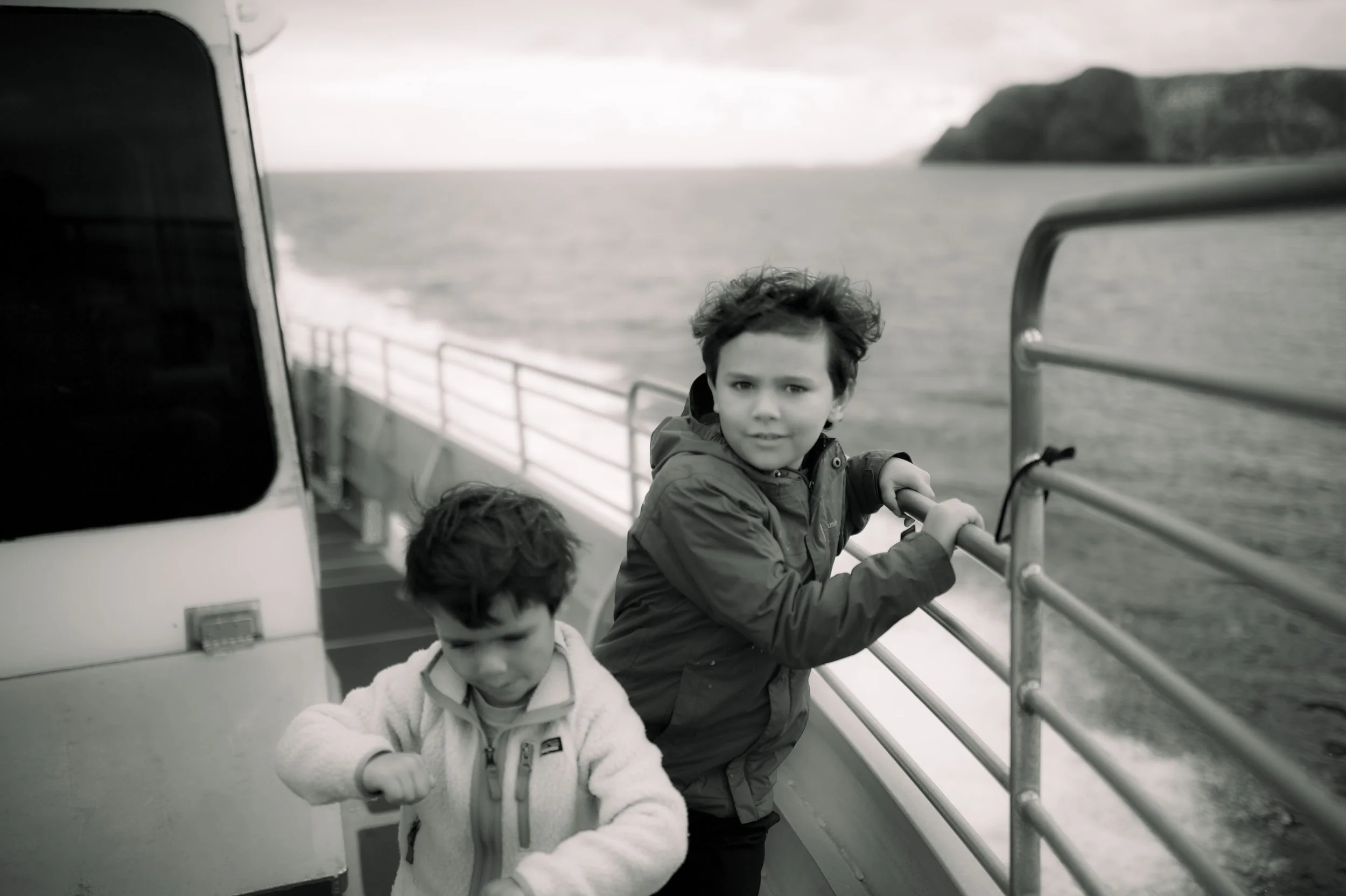
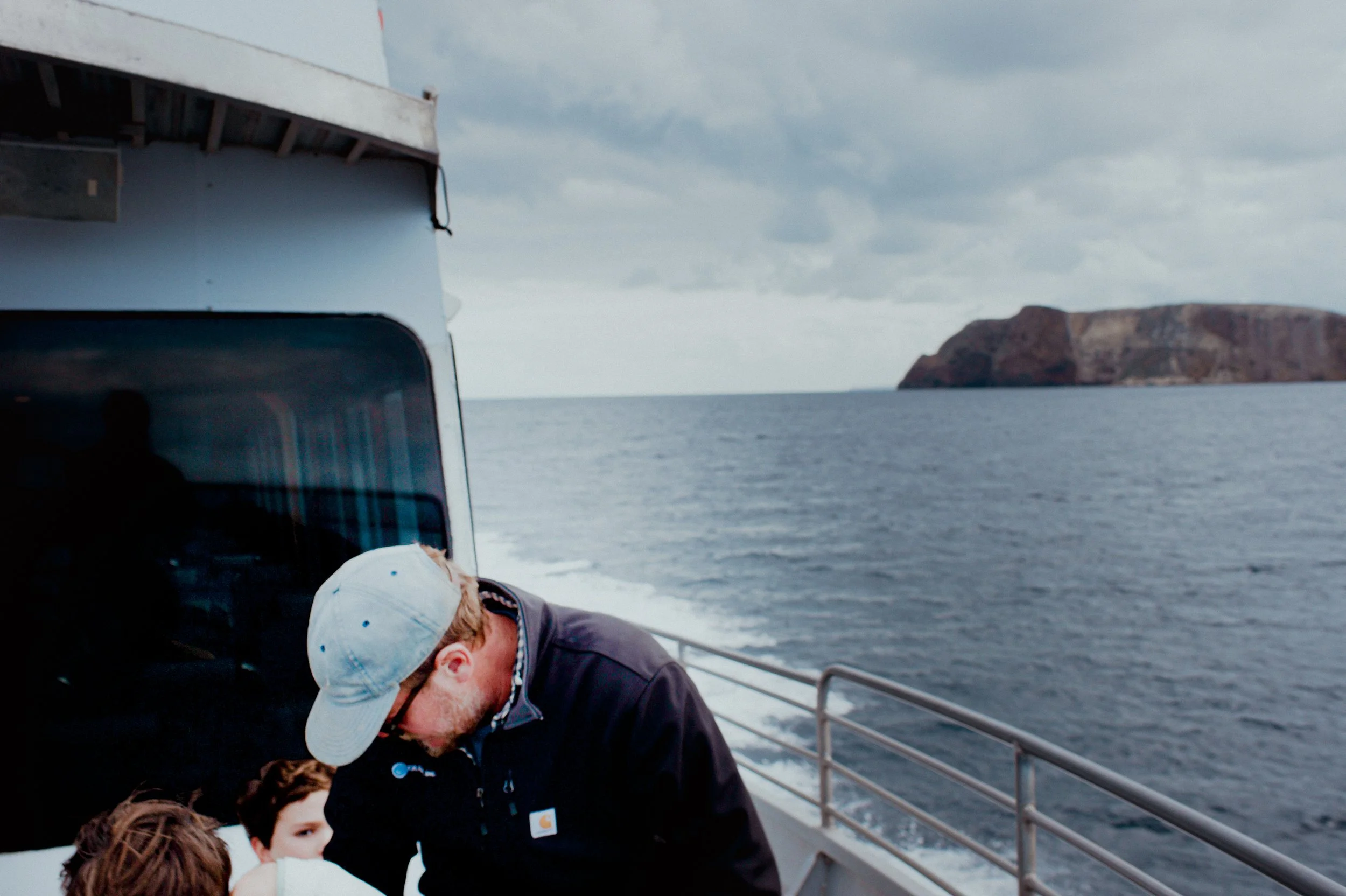
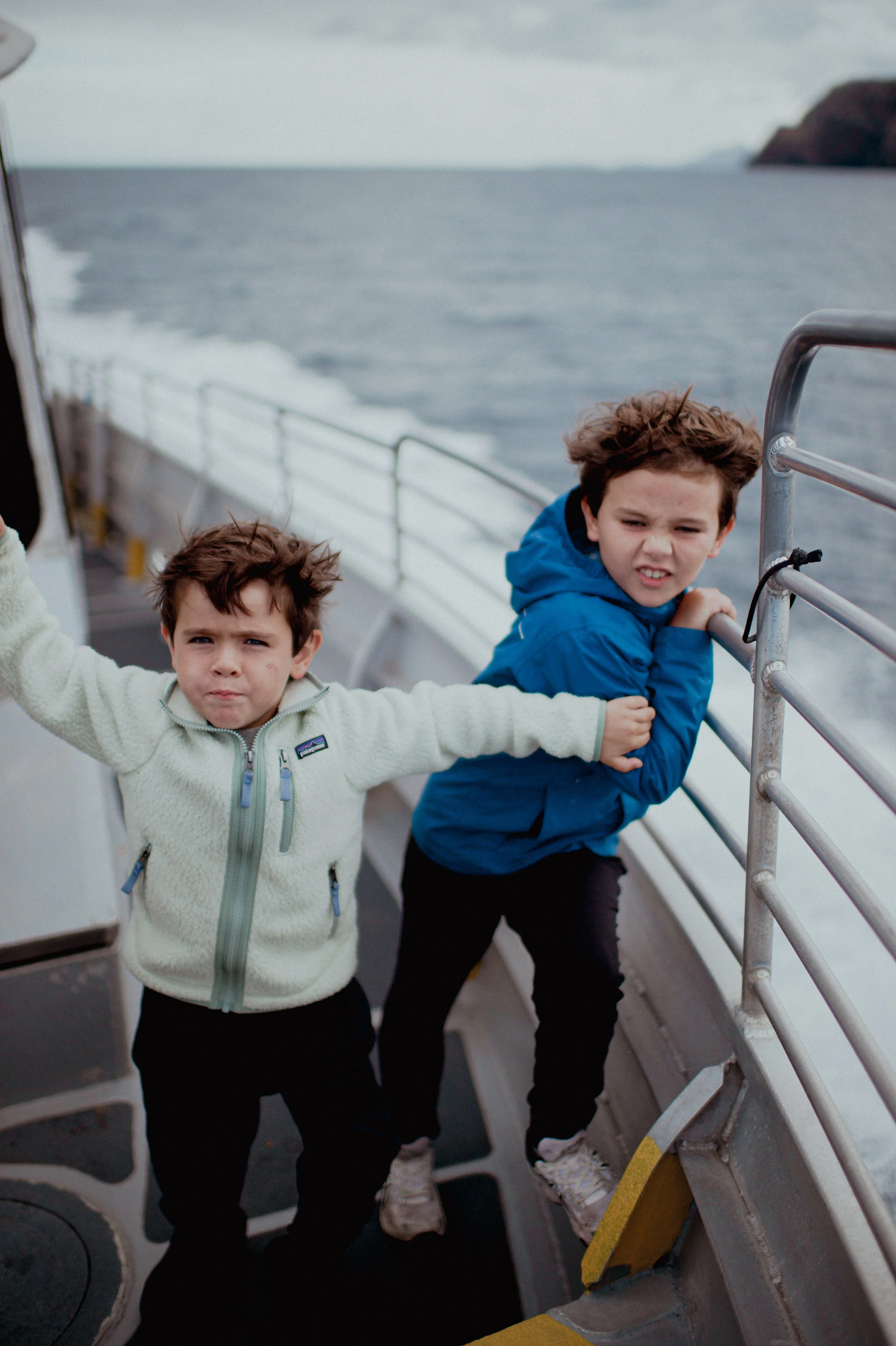
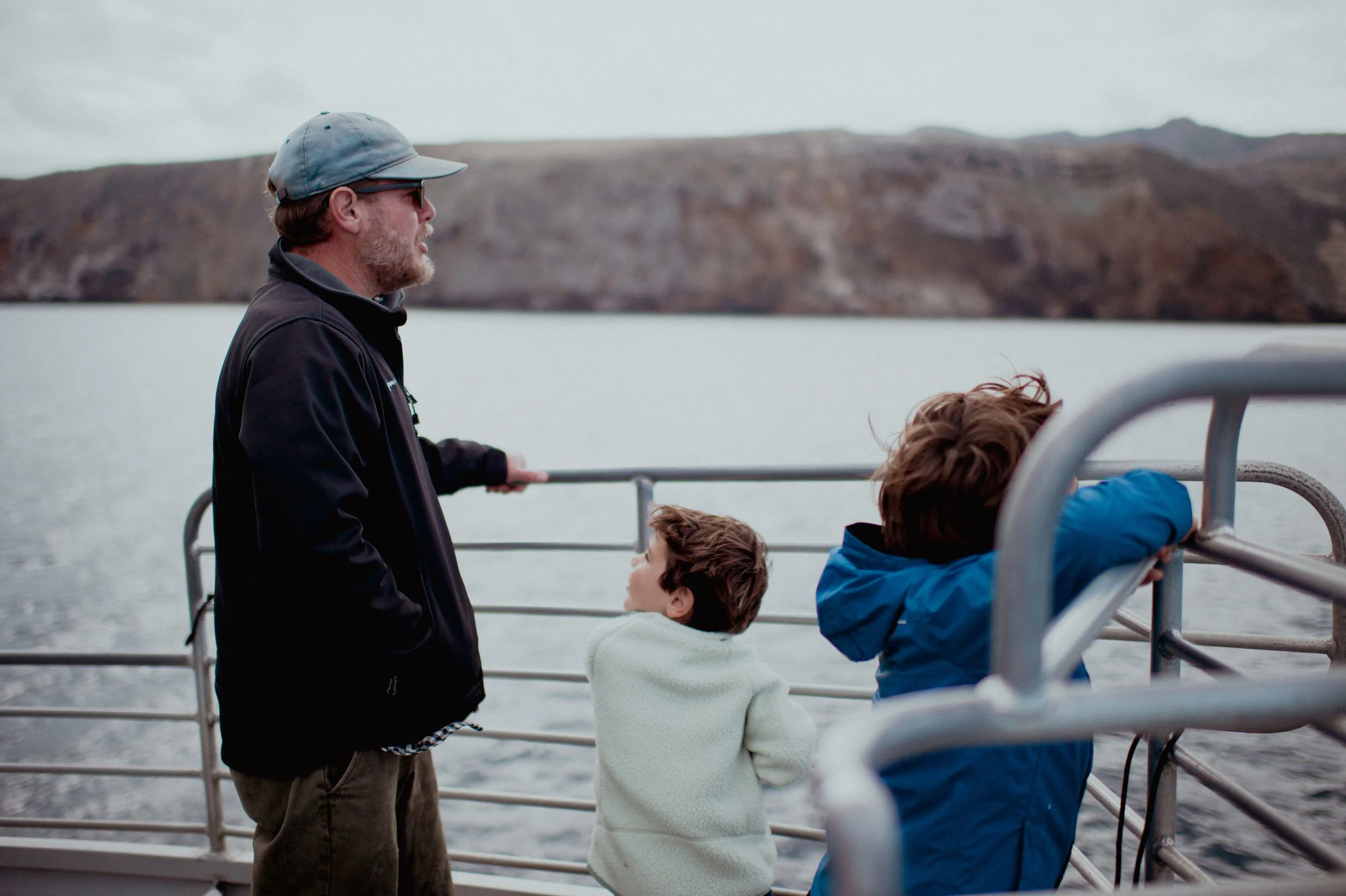
We got on the boat at nine o’clock Friday morning. The boats run from the harbor in Ventura. Island Packers has a small fleet of catamarans that shuttle people across the channel to a handful of the Islands along the archipelago off the southern California coast line. Over the years I have had the opportunity to visit all of them, albeit the three I have most explored have been Anacapa, Santa Cruz and Santa Rosa. The others were stop offs on a wild trip I took in eighth grade, when as a small group of students we got to crew a tall ship for a week across the Channel. The Californian was a replica of an 18th century revenue cutter. We sailed from island to island, we studied the stars, kept working shifts throughout the day and night, learning the basics of sailing and took day excursions for preservation and restoration work throughout the channel islands national park.
The Channel Islands National Park system was not established until 1980, when President Jimmy Carter signed Public Law 96-199. Before that, in 1938, Franklin D. Roosevelt had designated the islands The Channel Islands National Monument. In 1976, all eight islands were recognized as a UNESCO Biosphere Reserve. The park itself consists of only five of the eight islands; Anacapa, Santa Cruz, Santa Rosa, San Miguel and Santa Barbara. The other three are either privately owned or controlled by the U.S. Navy; Santa Catalina, San Nicolas, and San Clemente. As far as Santa Cruz goes, the National Park Service manages the eastern 24 percent of the island and The Nature Conservancy or Land Conservancy owns and manages the western 76 percent of the island.
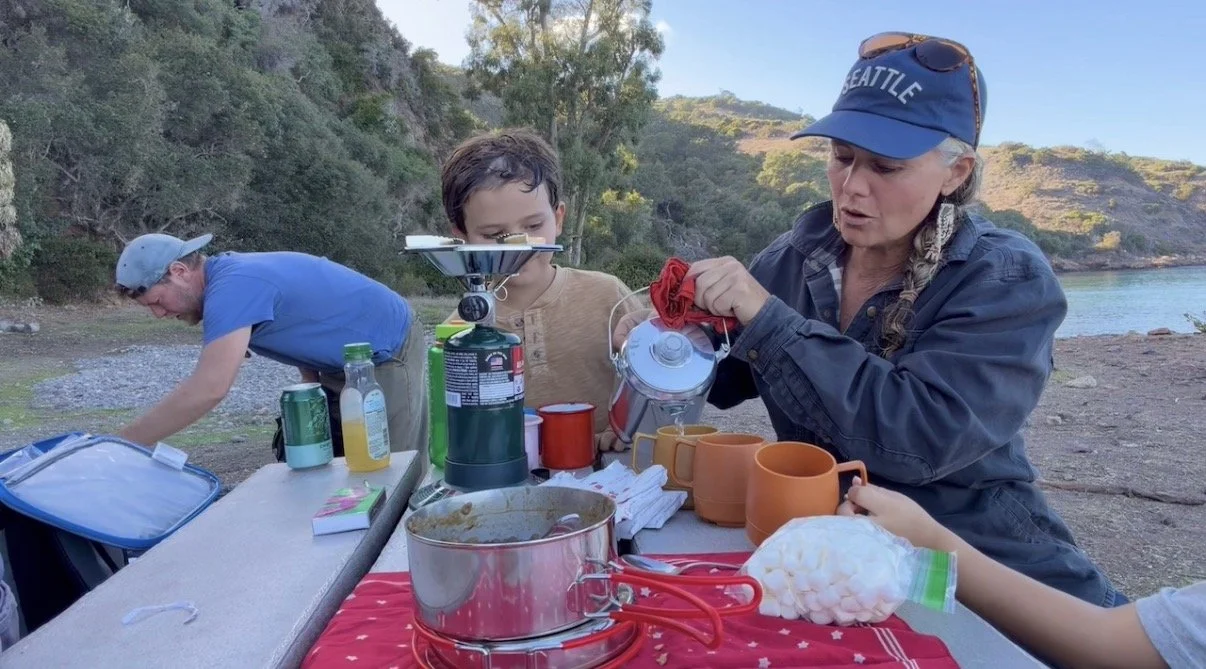
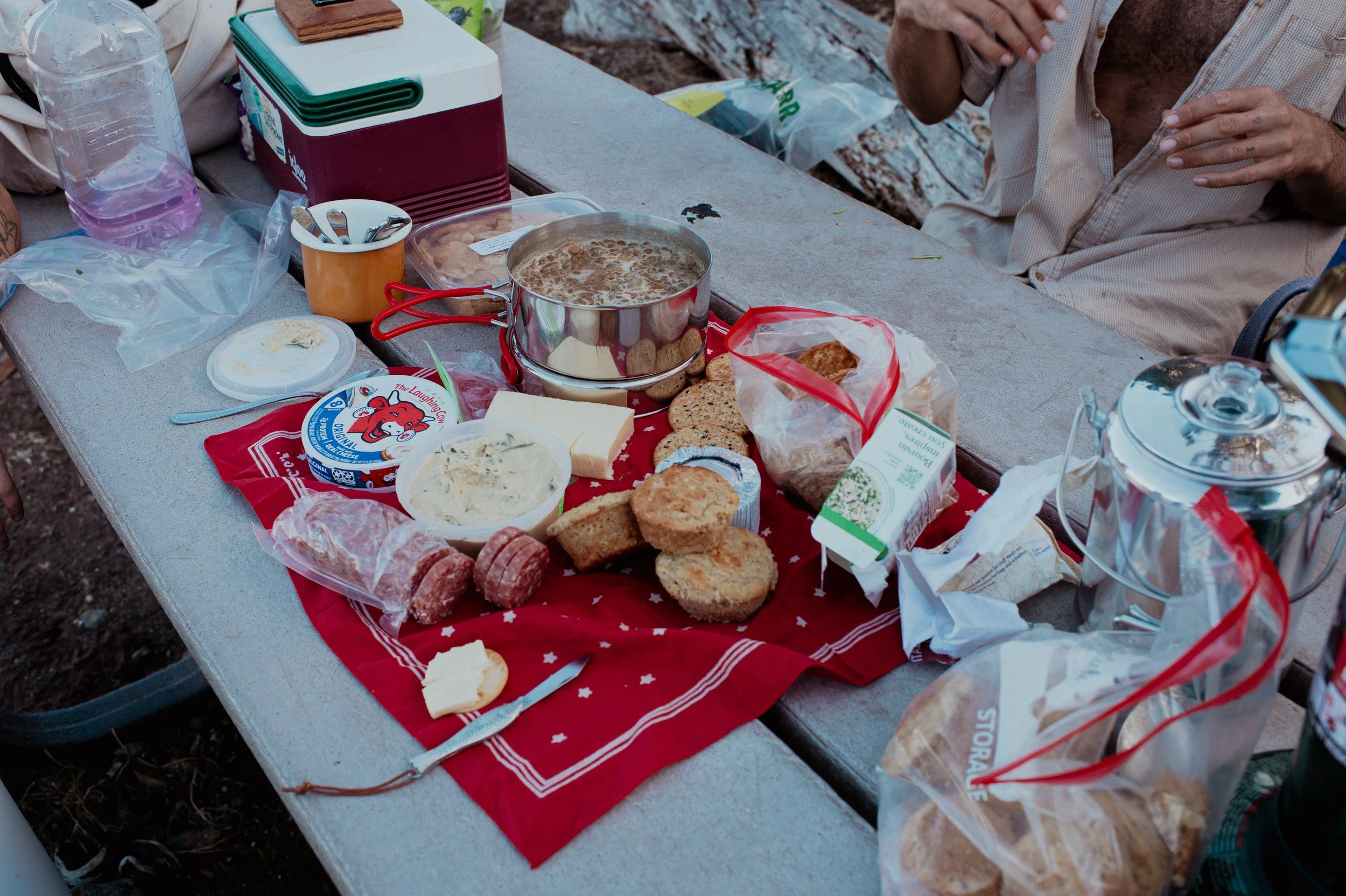
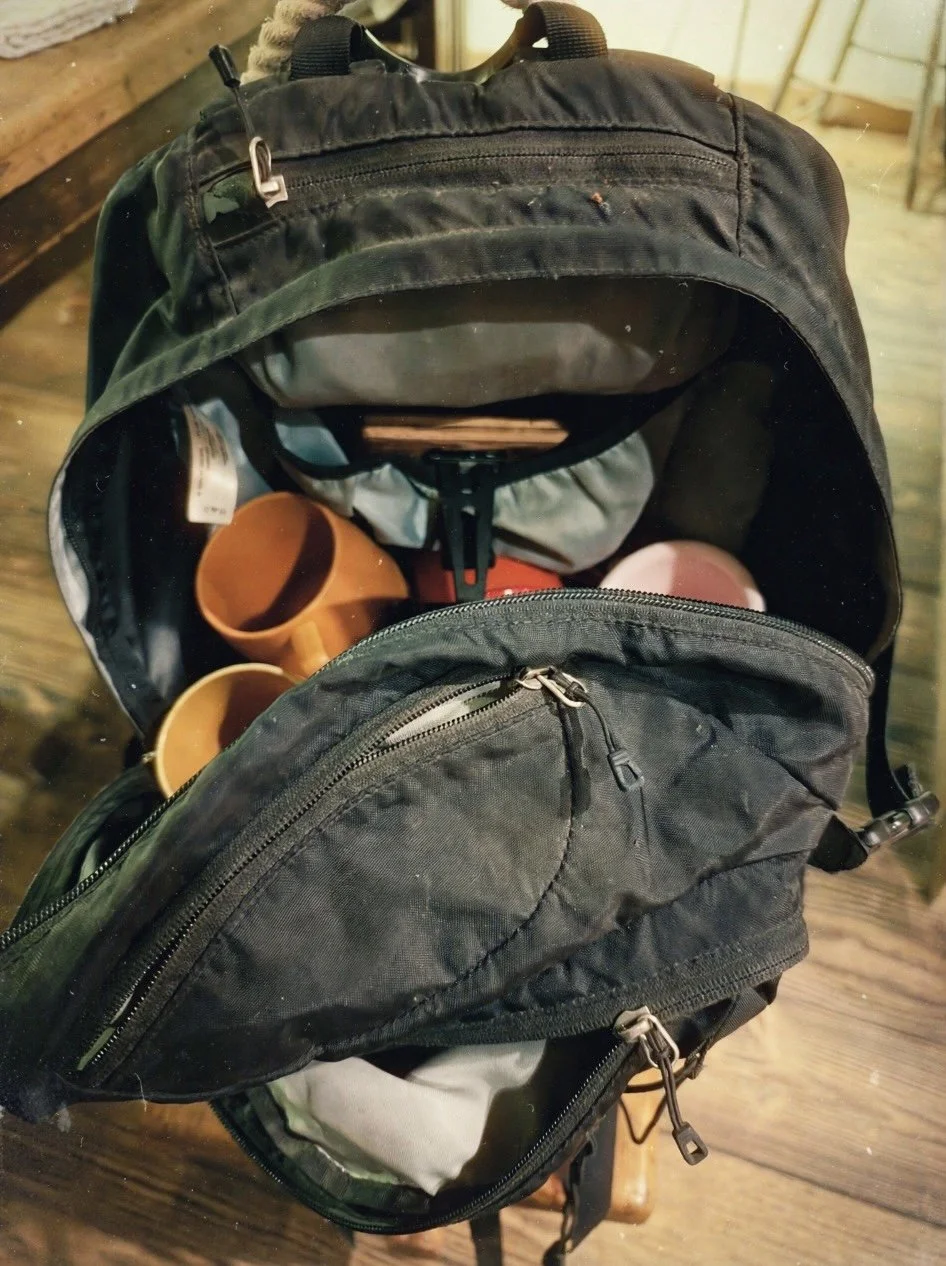
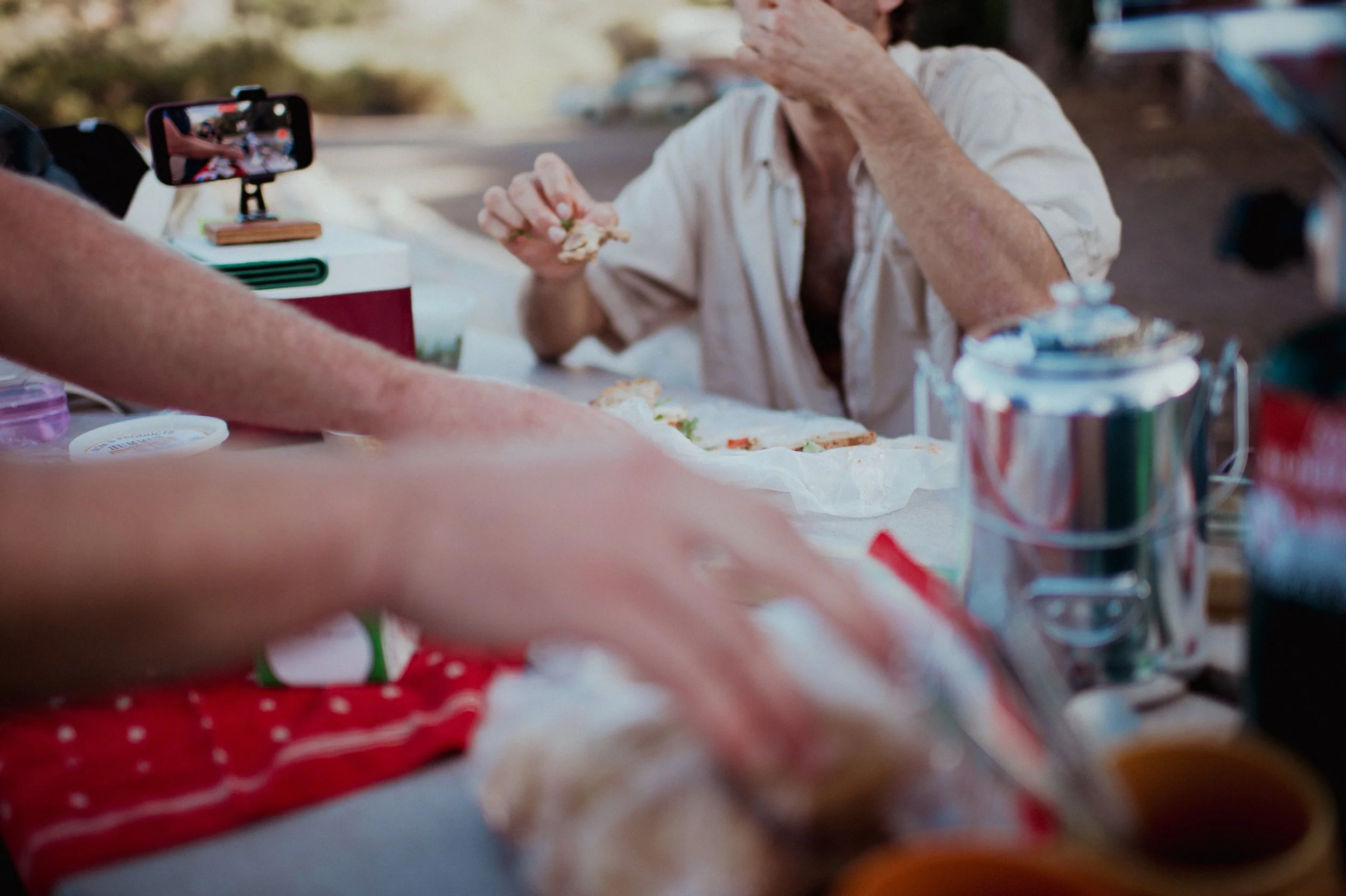
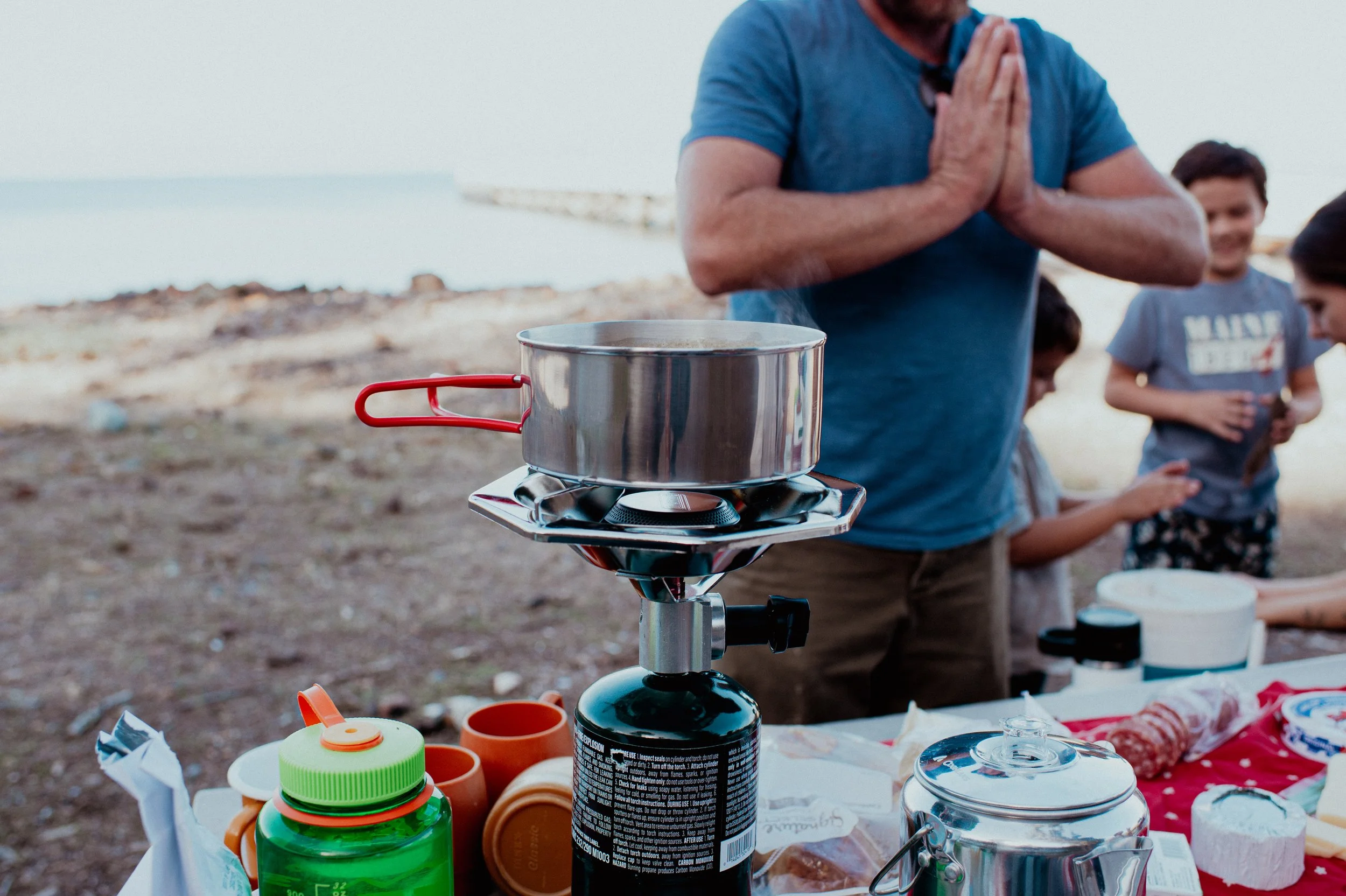
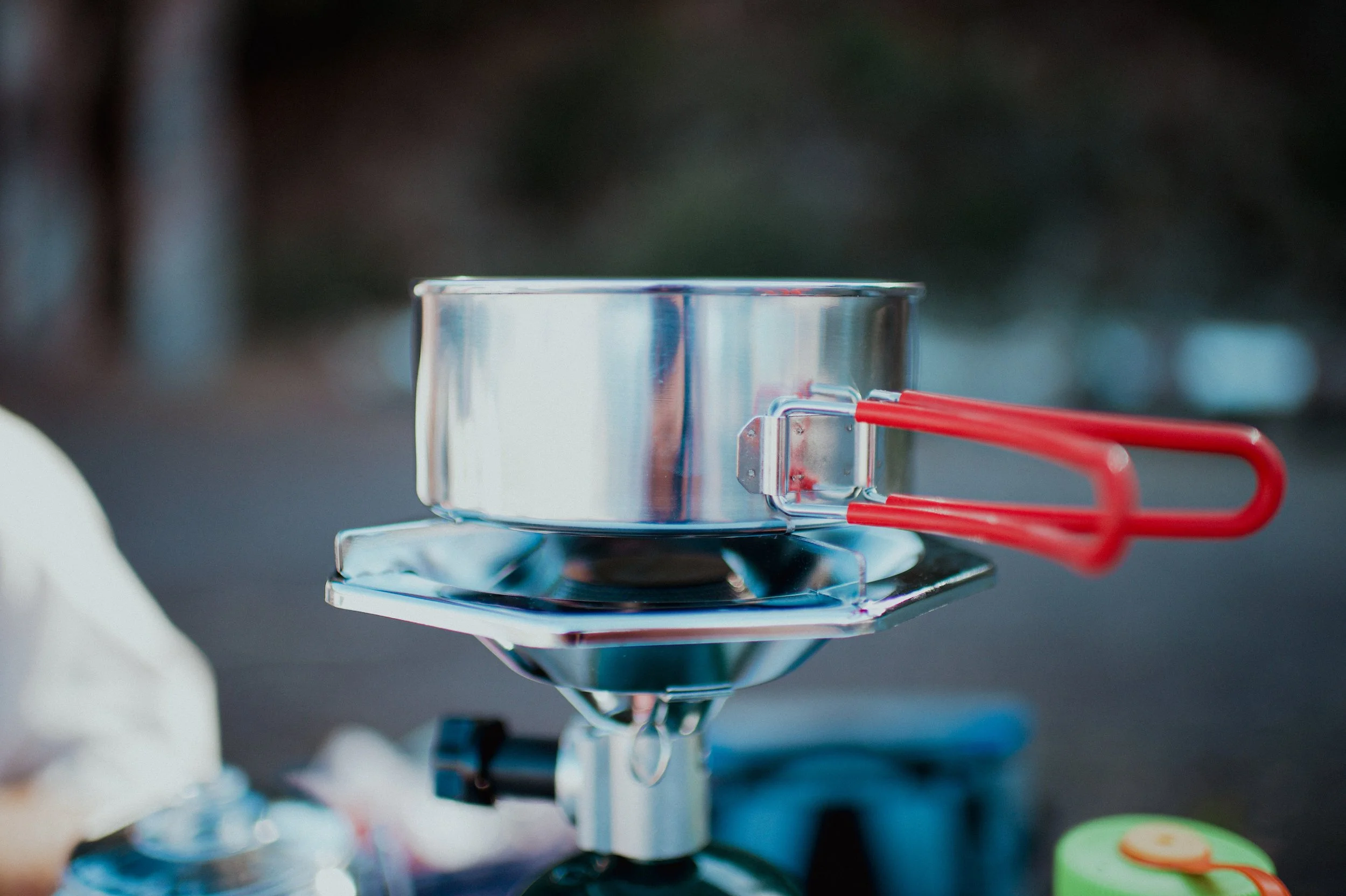
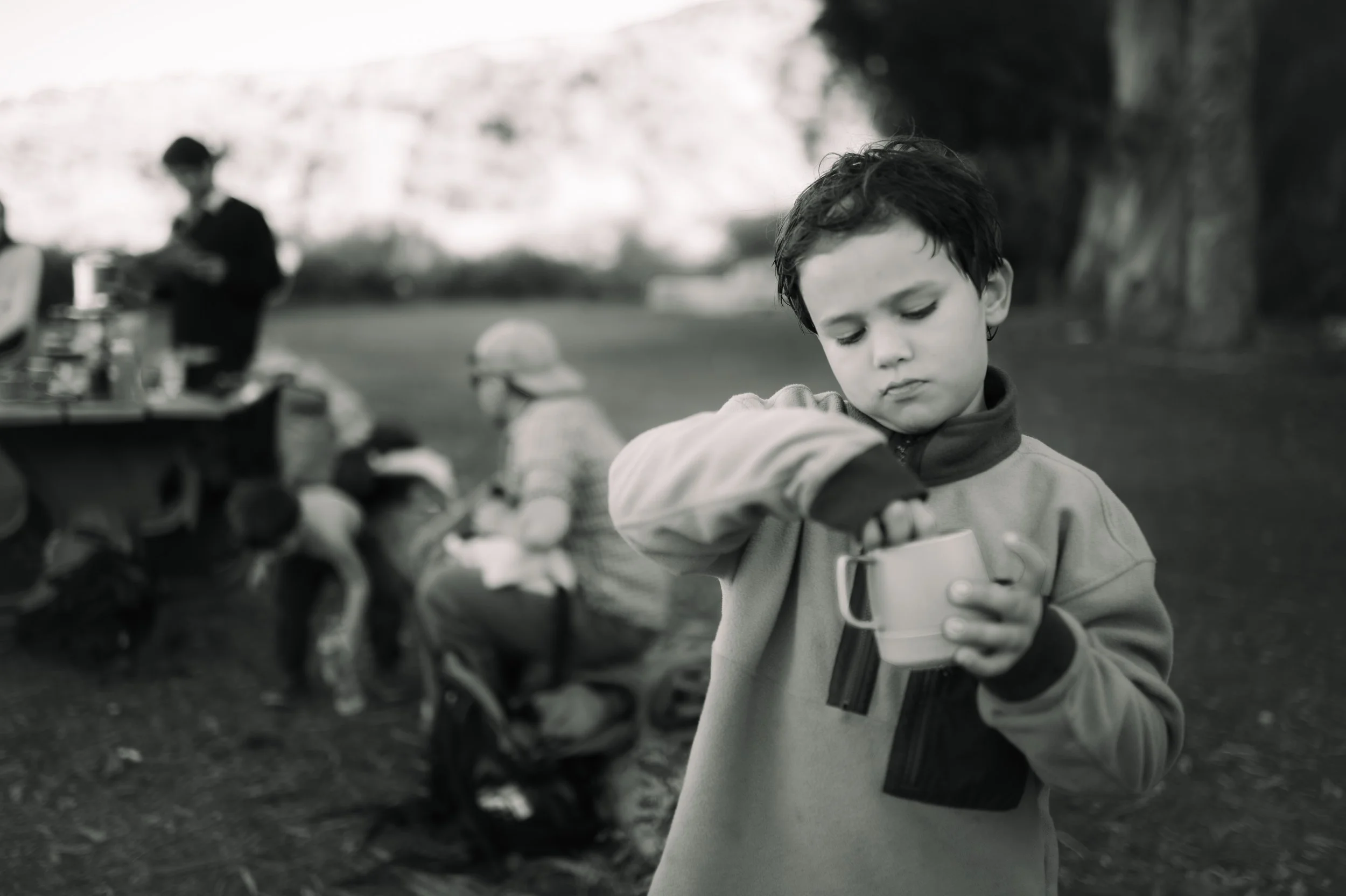
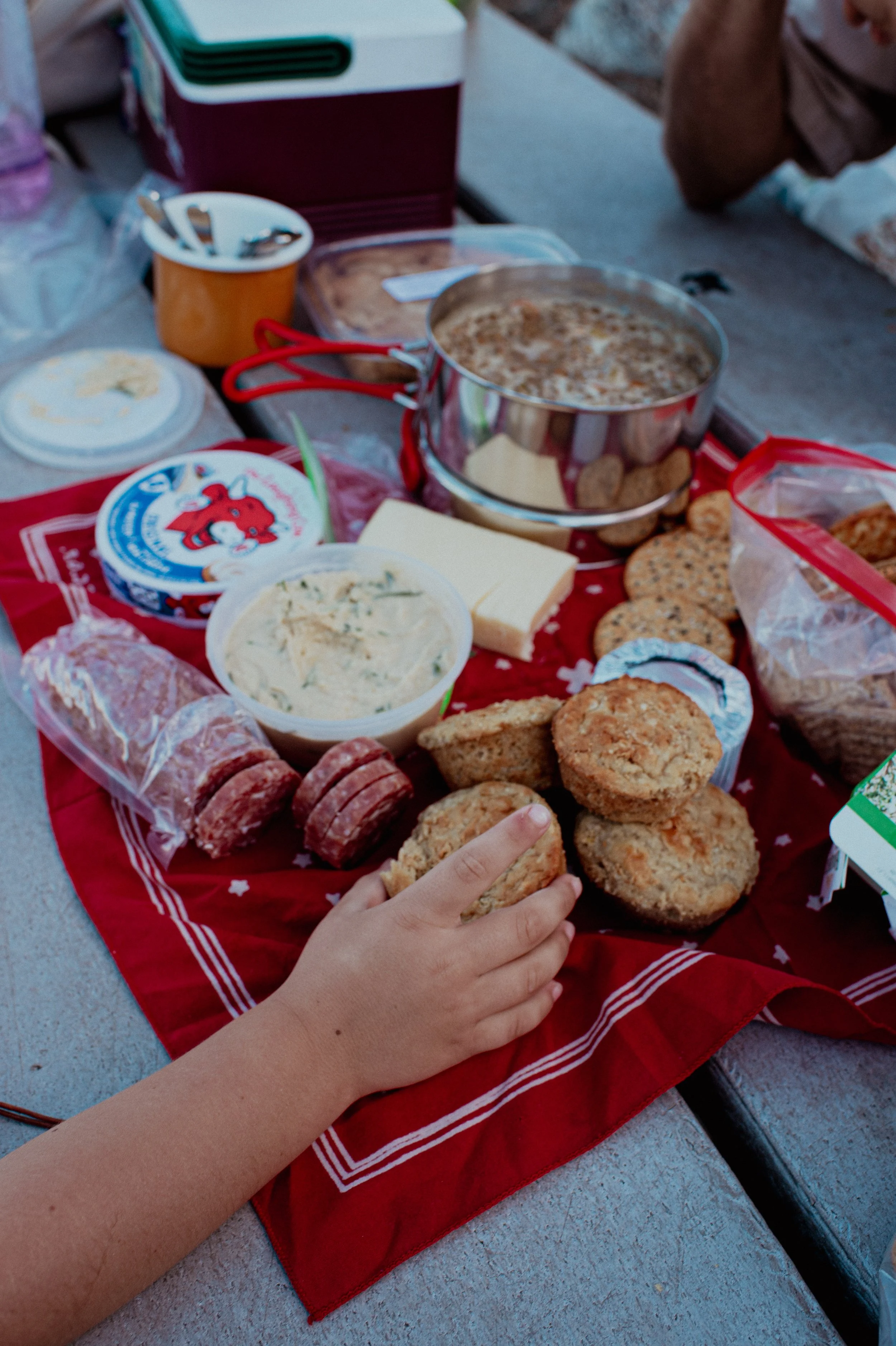
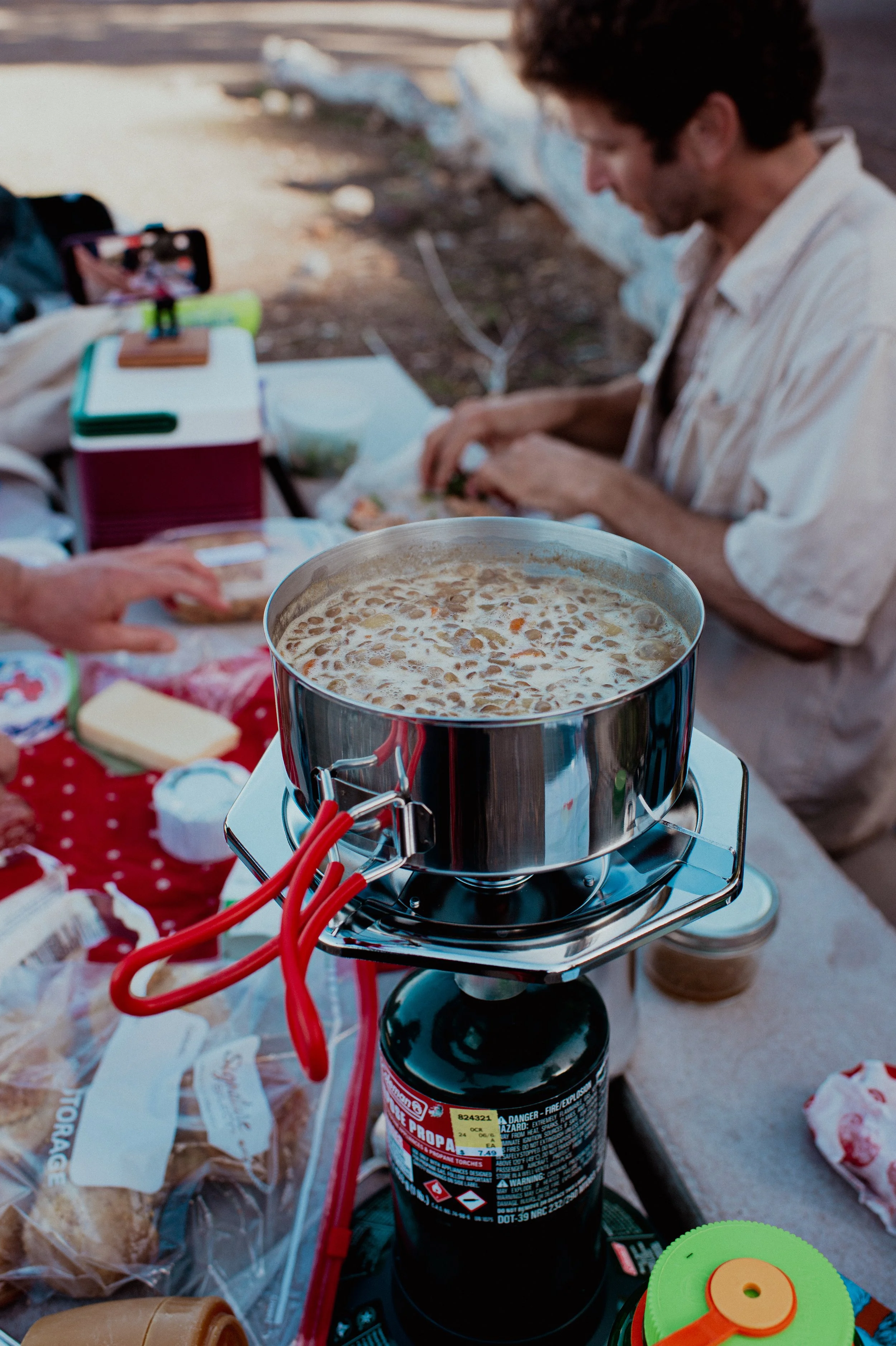
Our trip out on the boat this past Friday was destined for Santa Cruz, but more specifically, Prisoners Harbor. It was my first trip to Prisoners. The weather report had predicted a cold wet day, with possible chance of rain showers, so I planned accordingly. I packed my backpack with a camp stove, a billy tea pot with Swiss Miss hot chocolate packets and marshmallows, and I made a lentil soup with oatmeal muffins. Additionally, I packed some small turkey sandwiches with provolone and ham and cheese sandwiches with sweet pickle on tiny toasted Hawaiian rolls. Let’s see, what else; potato chips, crackers and garlic cheese, salami, humus and pita crackers, beef jerky, chocolate, apples and tangerines, and four Nalgene water bottles full of water. Not all of this fit into one bag, so I took two backpacks. I was not packing for myself alone, as the trip was a joint venture with my brother and his two boys and our good friends Max and Zola.
Prisoners Harbor is named for a strange event in 1830 when the Mexican government tried to establish a penal colony in Alta California. The ship carrying around 80 convicts was denied landing in San Diego, San Pedro and Santa Barbara due to poor conditions. They decided to unload around 30 of the convicts off on Santa Cruz Island with some basic provisions and tools. Things did not got so well for the small encampment and in November of the same year a fire destroyed the camp. The survivors built a shanty of a raft to float their way back to the mainland, landing in Carpenteria. Stories like these are a dime a dozen about the islands. The sea caves and many coves proved to be invaluable for smugglers and bootleggers, stashing rum and smuggling illegal sea otter pelts.
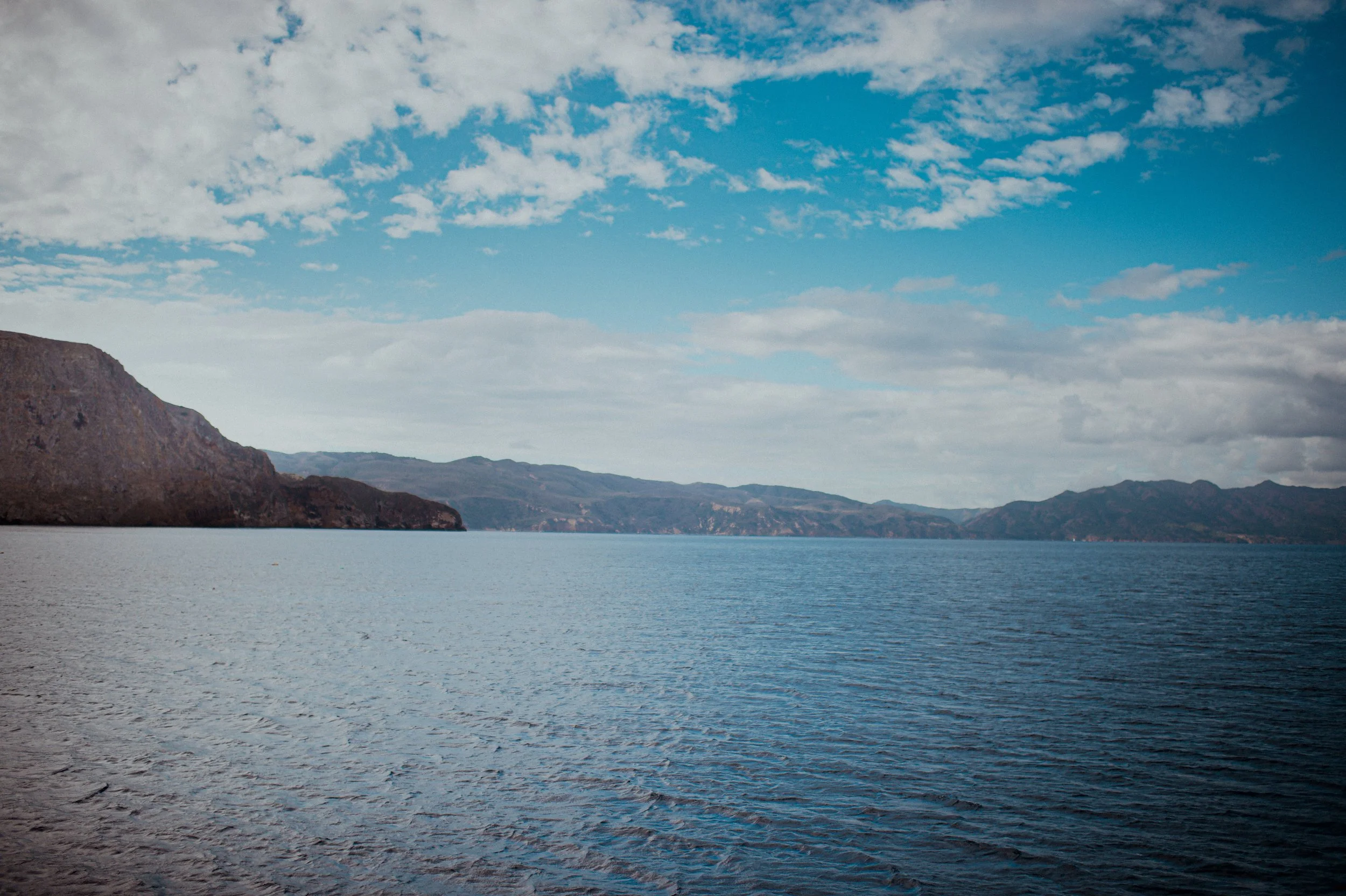
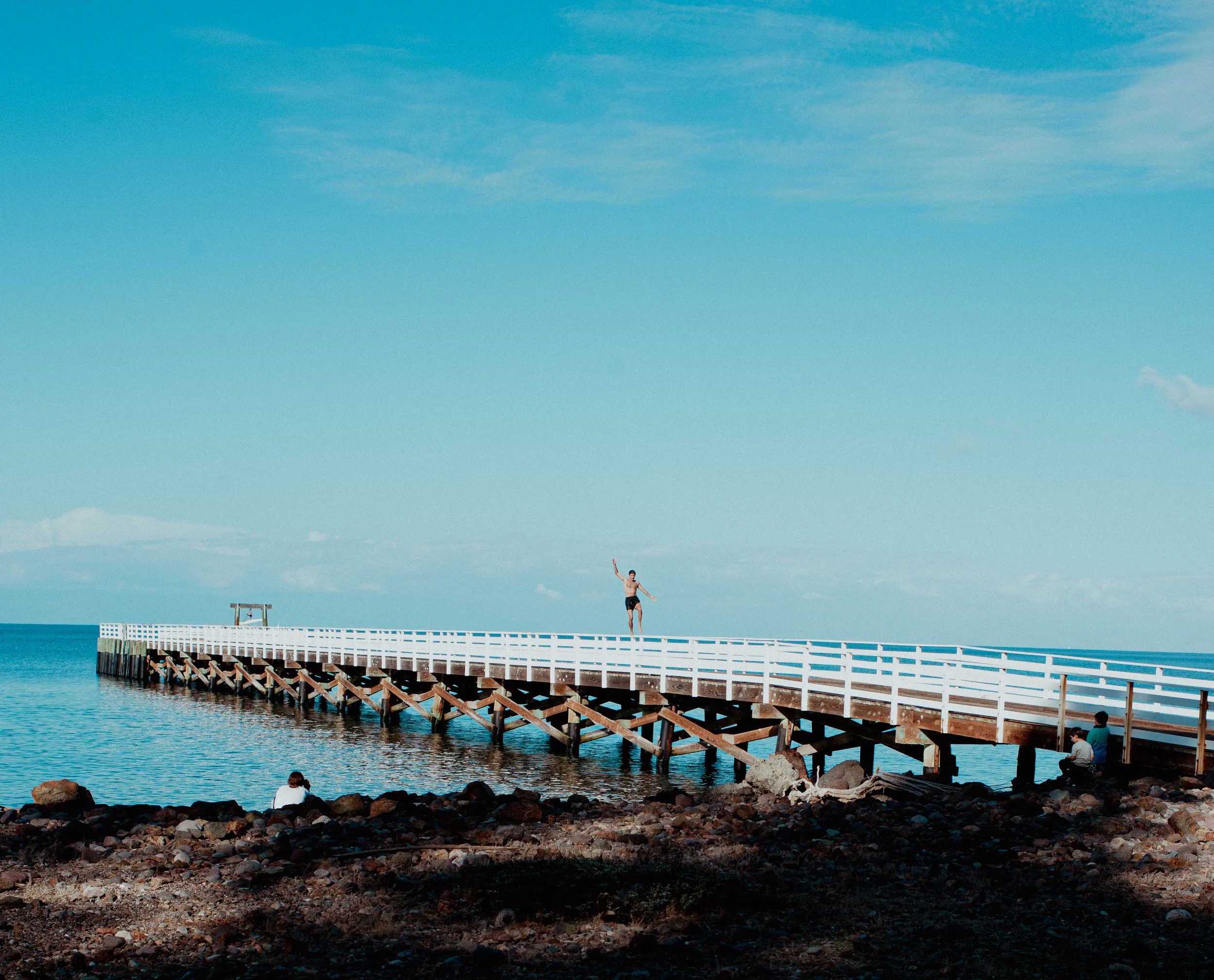
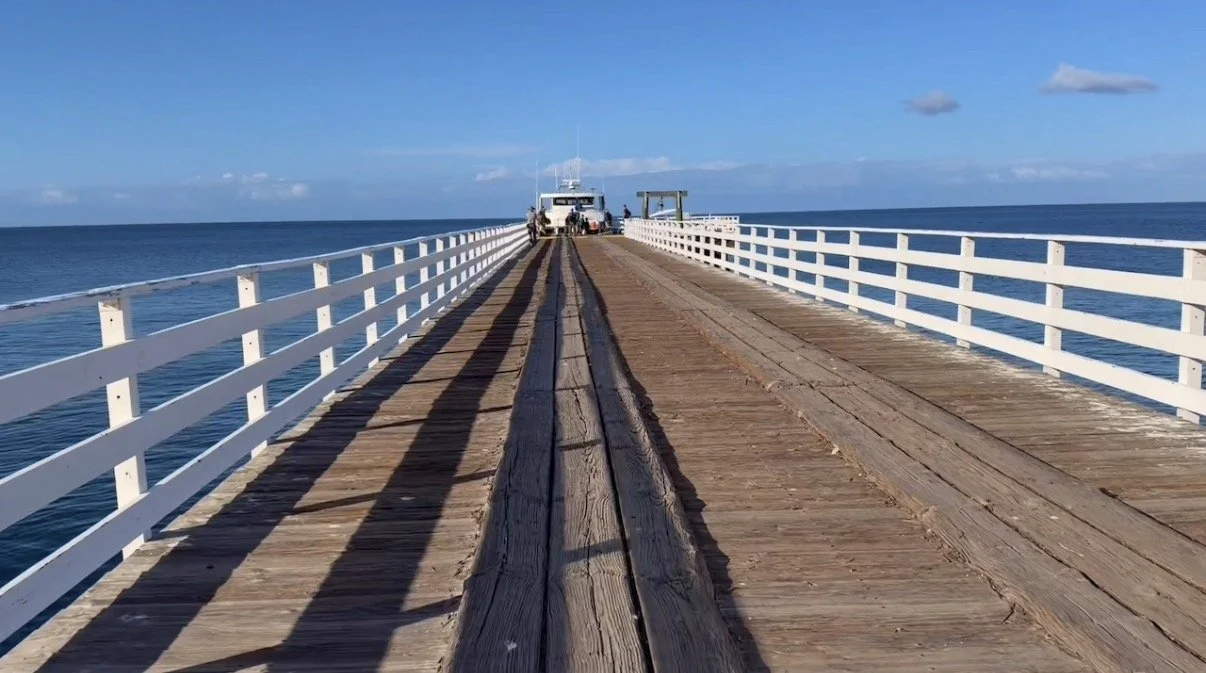
The vibe prevails upon arrival at the pier. It feels otherworldly and almost forbidden. It has been protected and apart from a few old ranch buildings it feels almost untouched. The islands ranch history developed roads and housing for the workers. The infrastructure was built when the island was privately owned and worked between 1880 and 1952. As early as 1853 though, sheep were introduced by James Barron Shaw who brought 200 sheep over from Santa Rosa Island. By 1864, due to the high demand for wool and rising wool prices during the Civil War, the sheep population on the island skyrocketed to 24,000. Ranching continued and during the Ranching District era on the island there was a high volume of sheep, cattle and wine production. Since the National Park Systems were put into place and the Land Conversancy began restoration, most of the animals, non endemic to the islands, have been removed. Perhaps it is due to this that Prisoners Harbor felt eerily stuck in time.
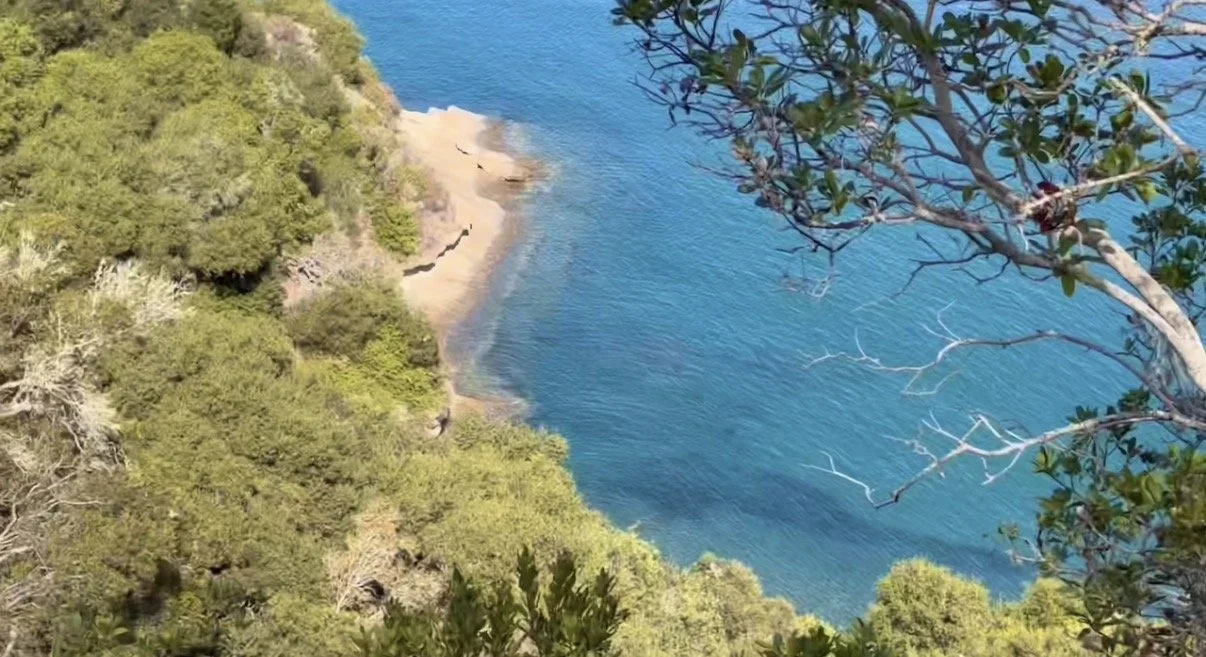
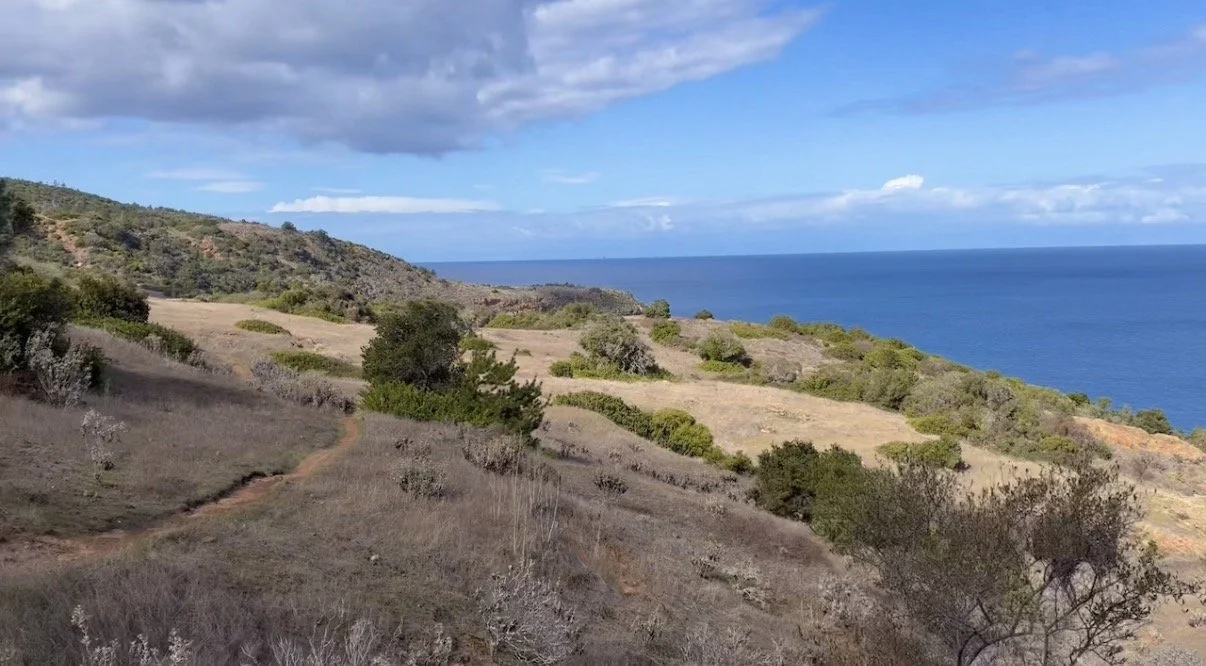
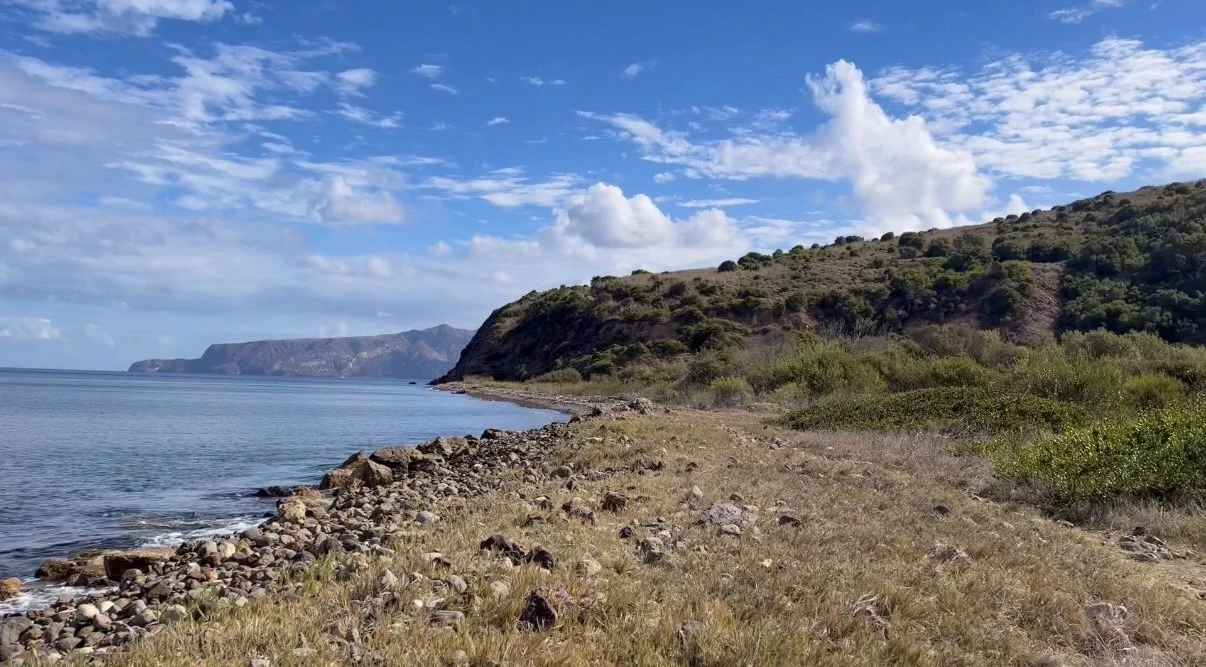
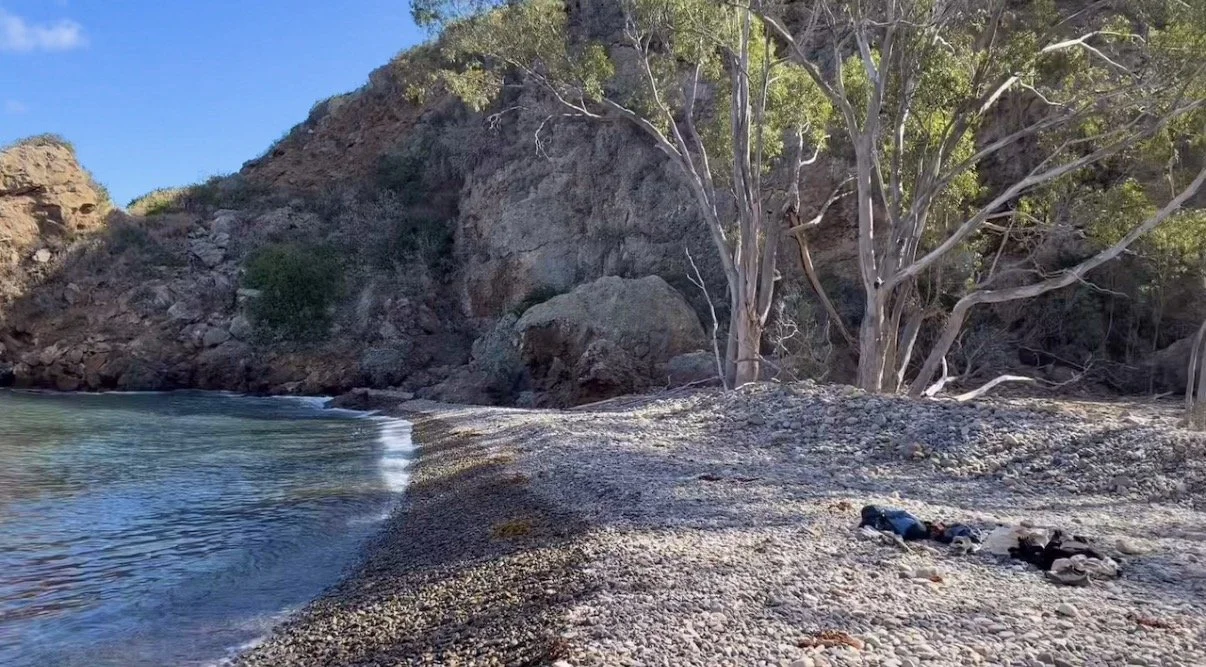
We took to the cliffs for a hike to Pelican Cove. It was a four and a half mile hike that felt oddly difficult in it ups and downs through gorges and rock footing. We made it to Tinkers Harbor instead, five minutes from Pelican, but a better place to swim. The water is so warm. I grip the rocks below the grotto and am pulled in and out by a current I don’t particularly trust, although an embrace none the less and a rocking like a baby’s cradle. I’m like the leaves of kelp and I can see the allure of a siren or selkie begging me to join them. I would and I’d be quickly pulled to sea. The pebble beach is smooth but still hard to walk on barefoot. Some rocks are blanketed with broken sea shells and sea bones. The swampy water of the inlet is surrounded by eucalyptus trees and the smell is reminiscent of the Aussie outback but to turn around to the ocean view, I could be in Greece.
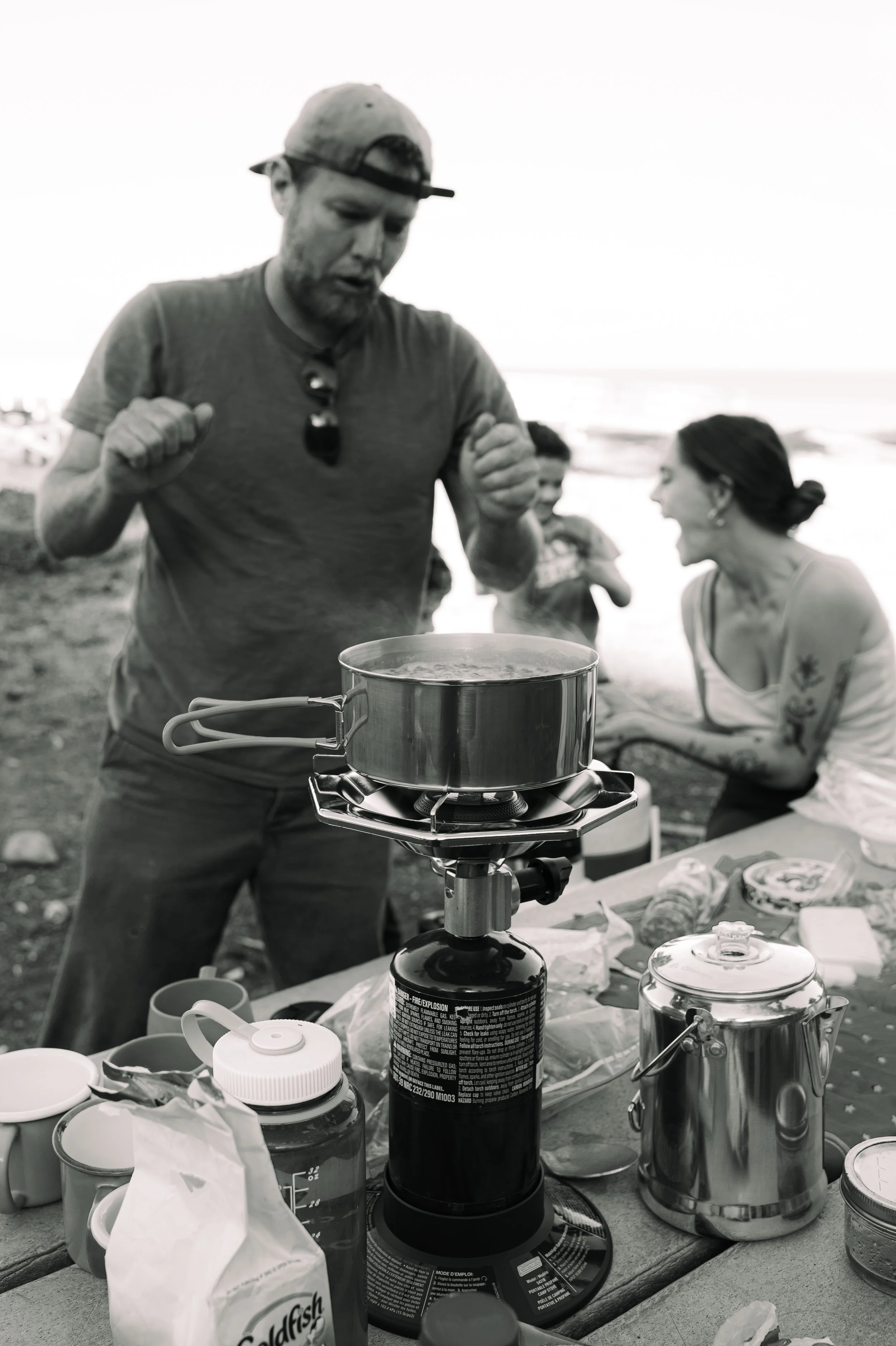
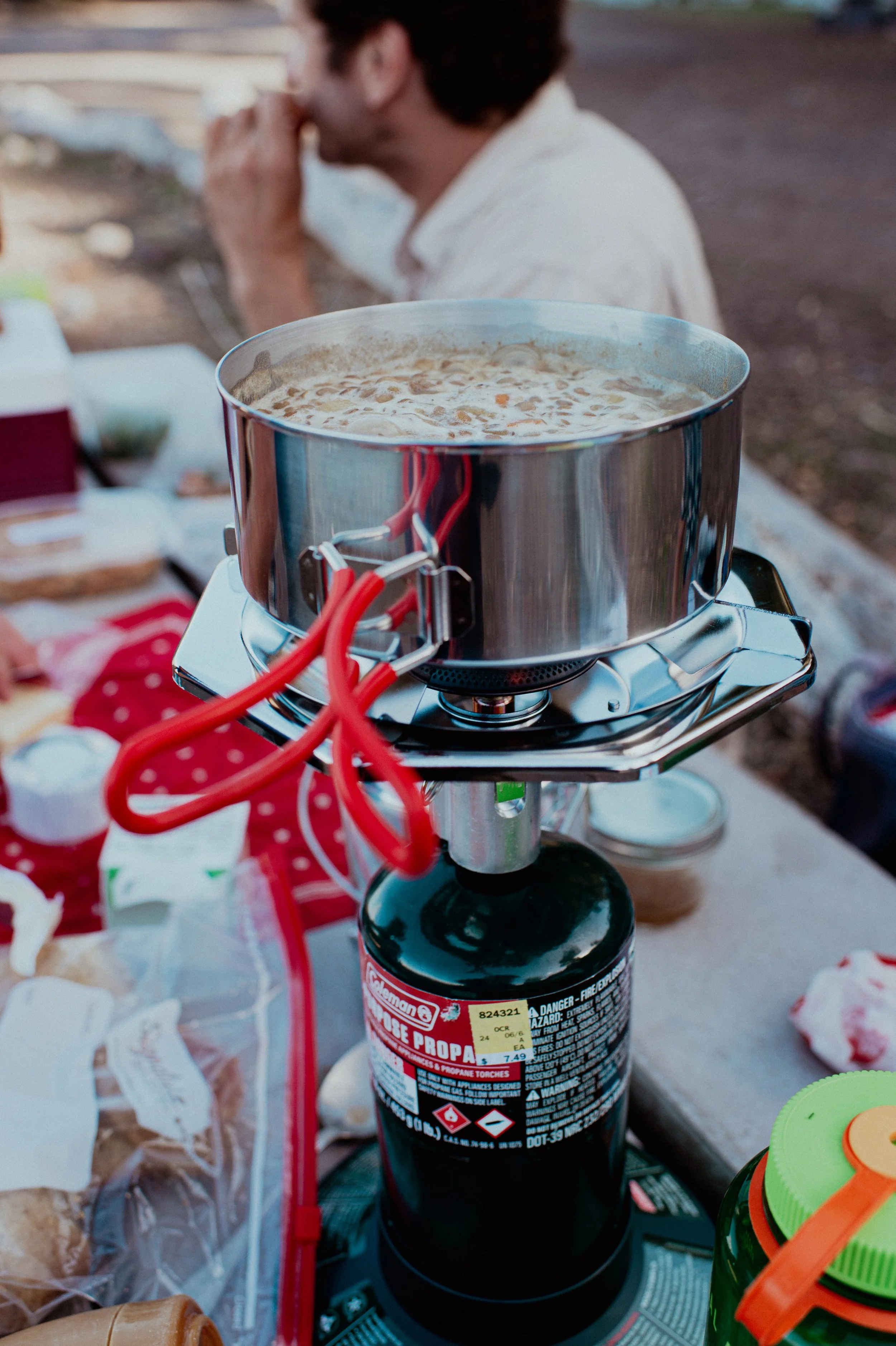

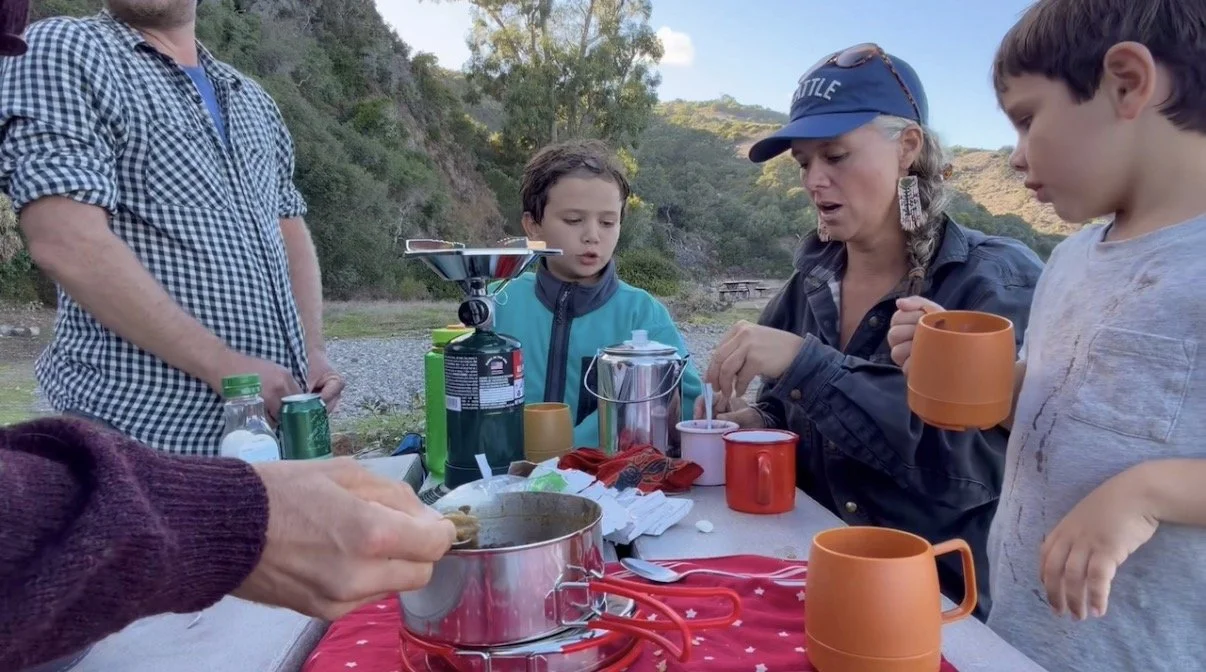
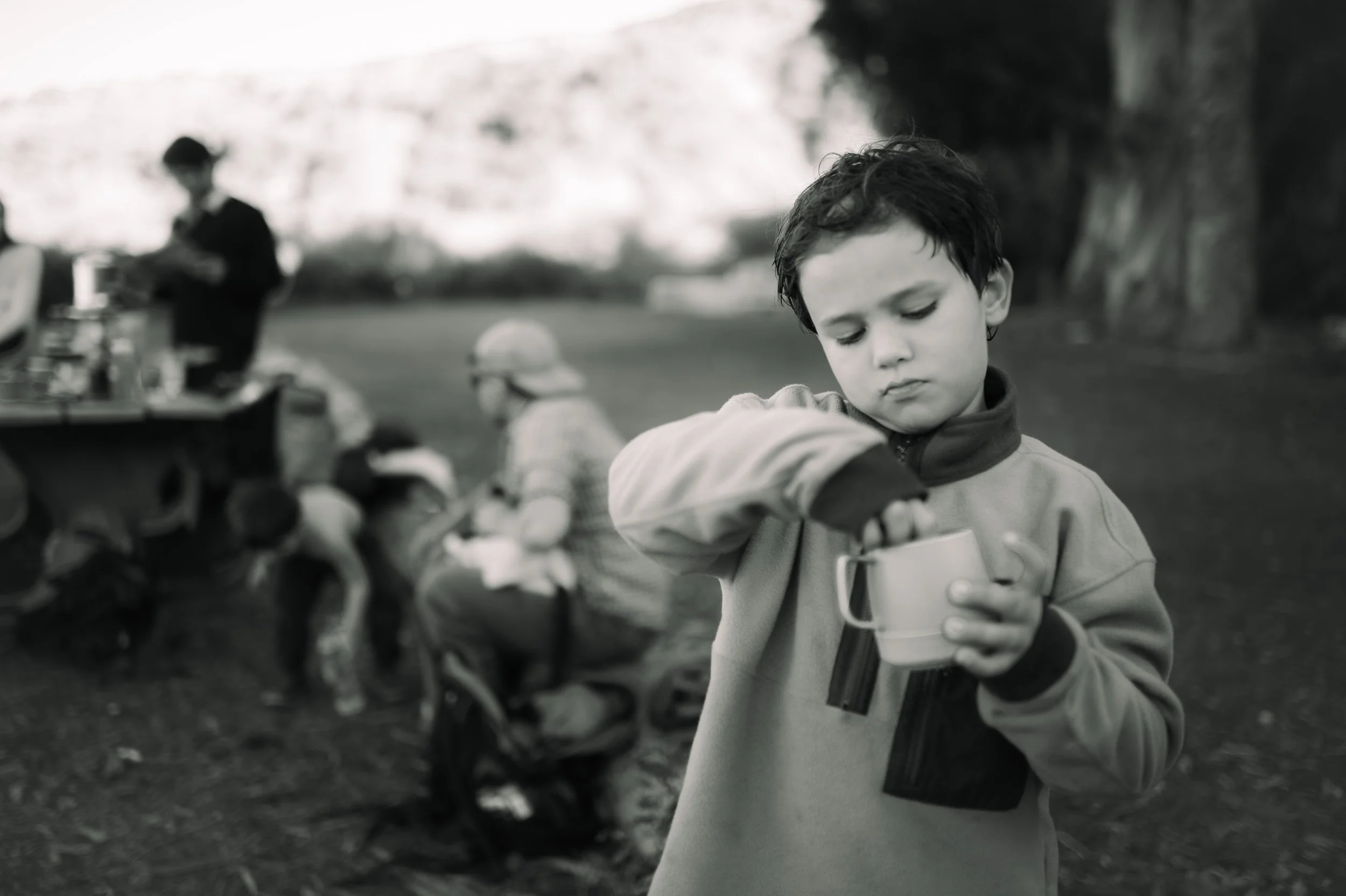
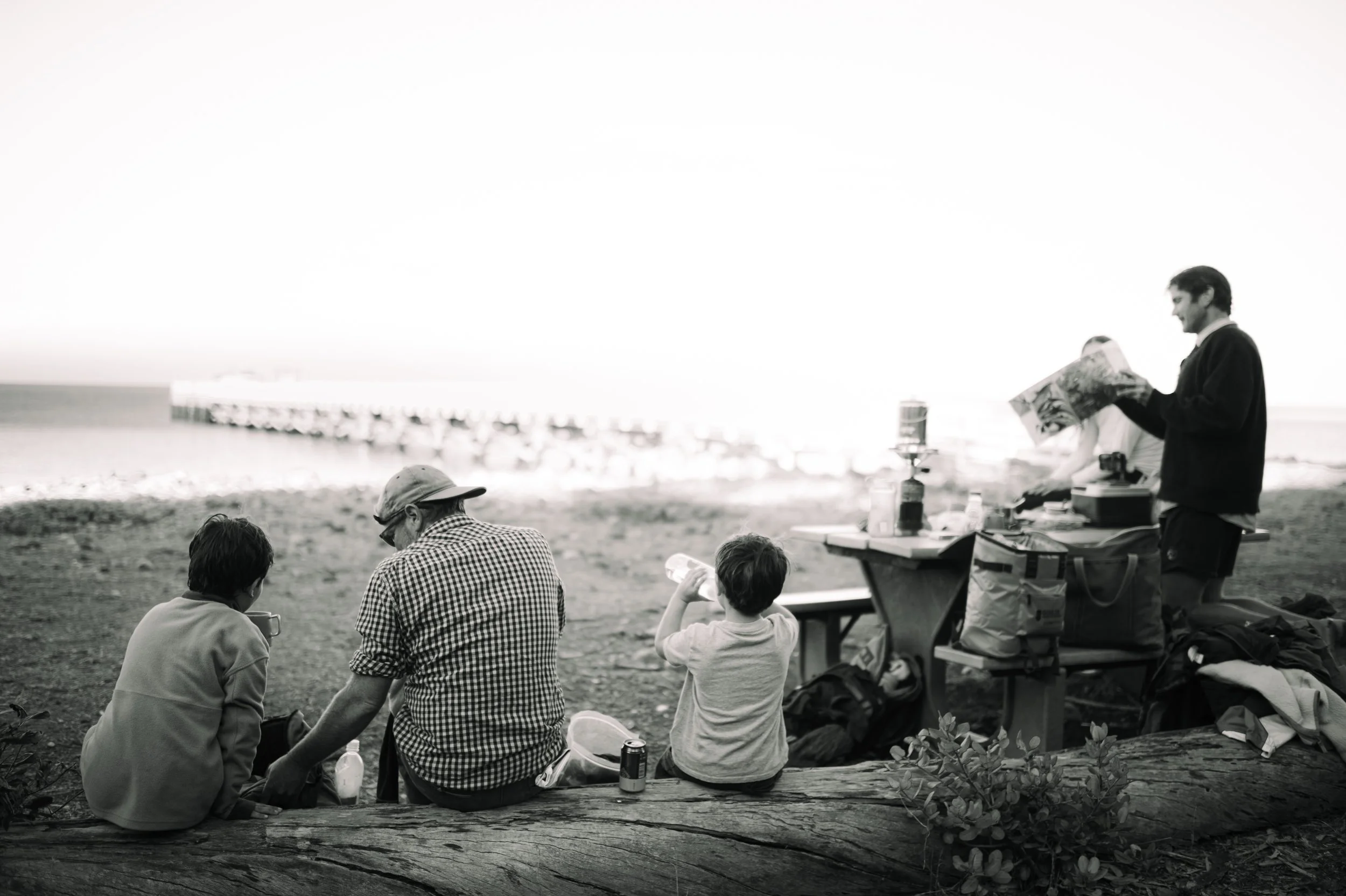
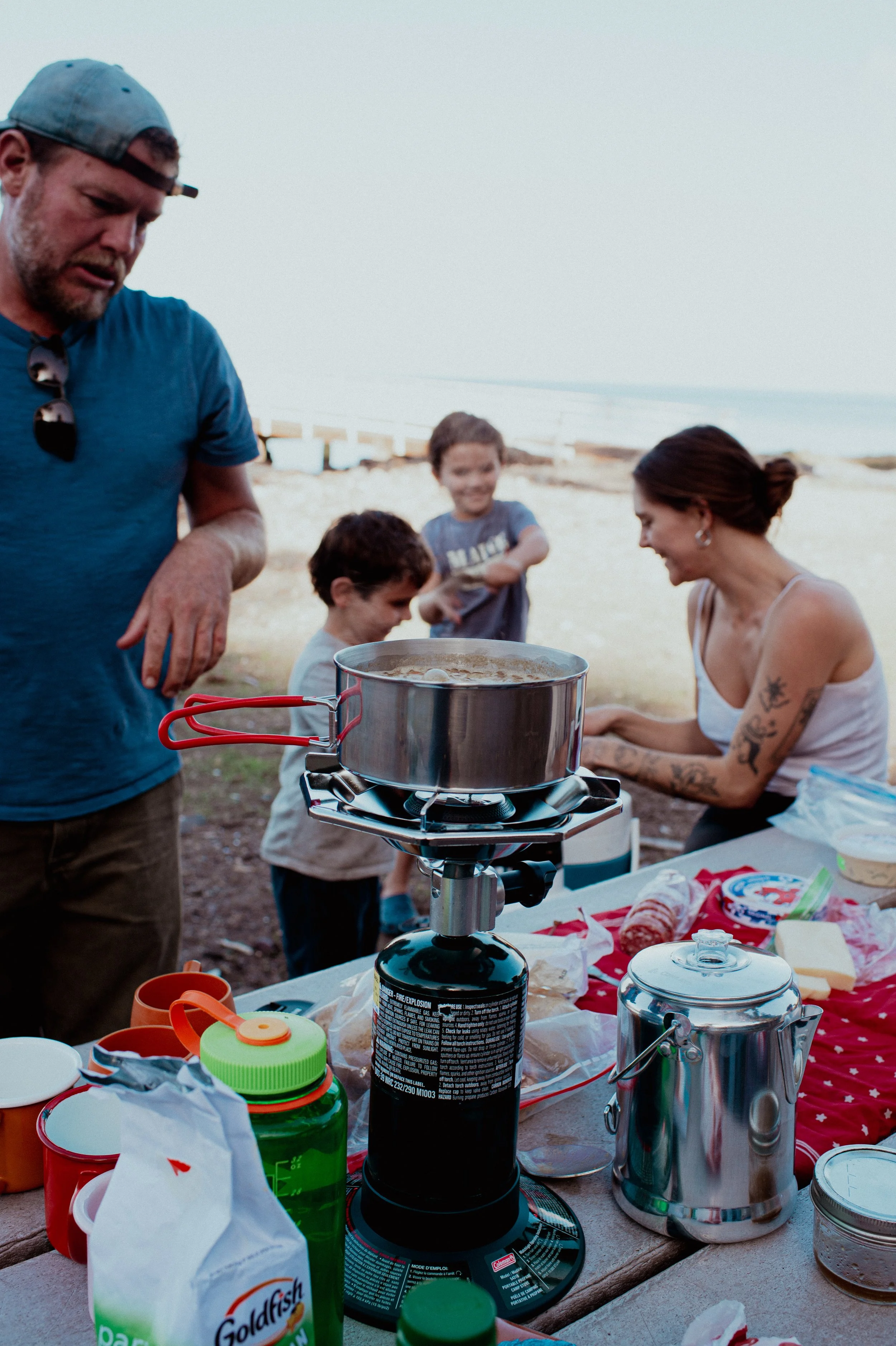
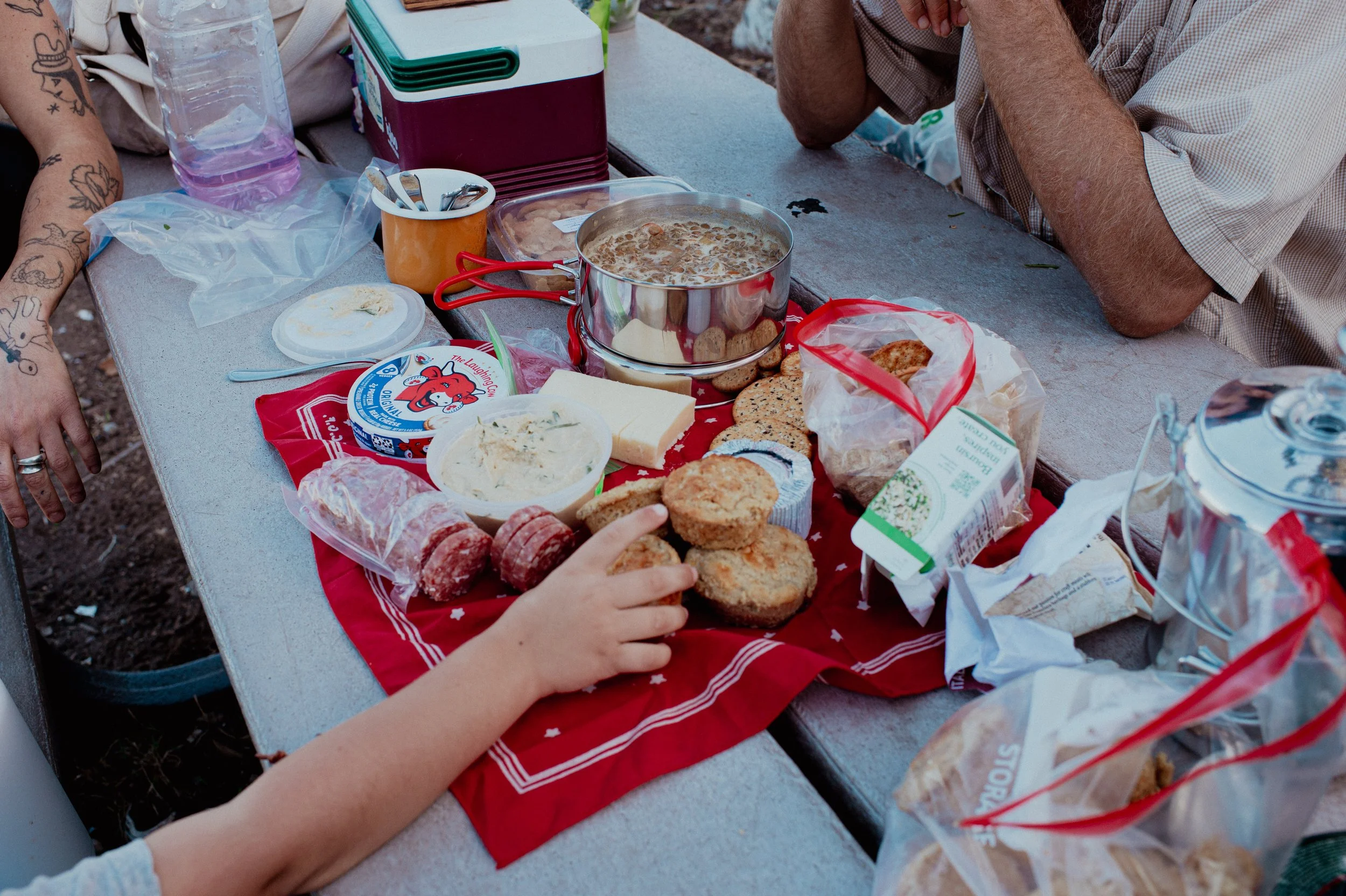
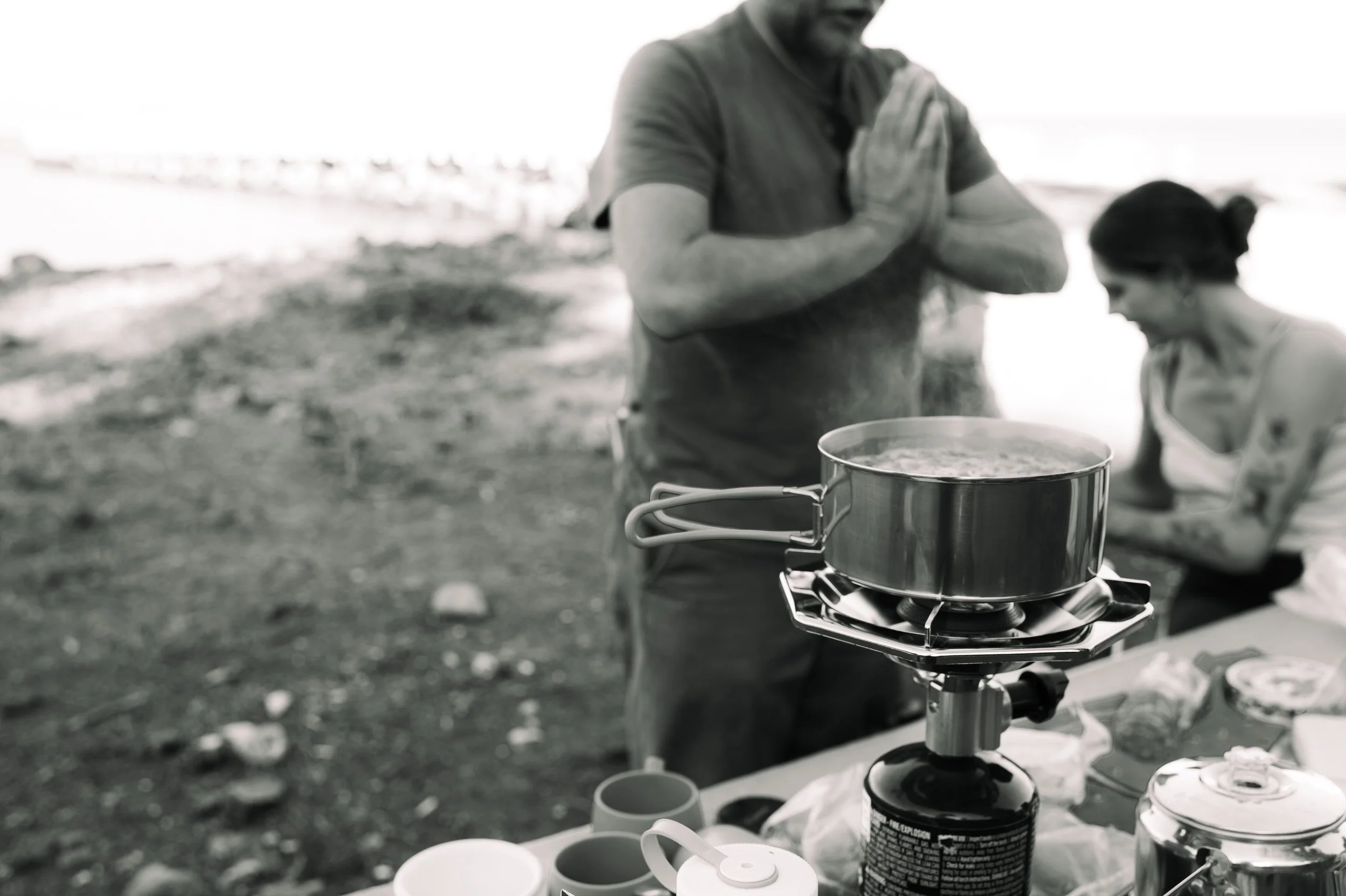
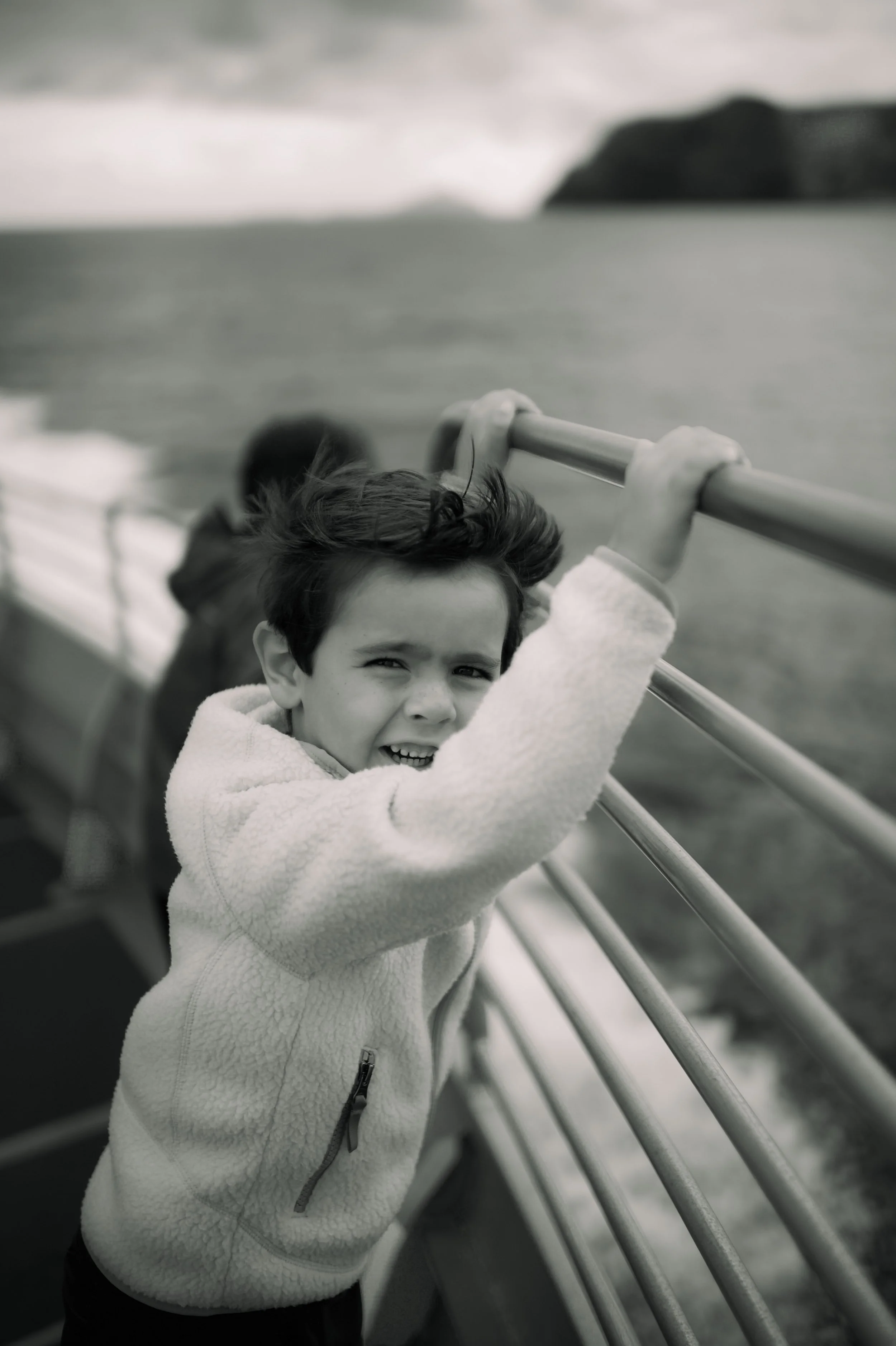
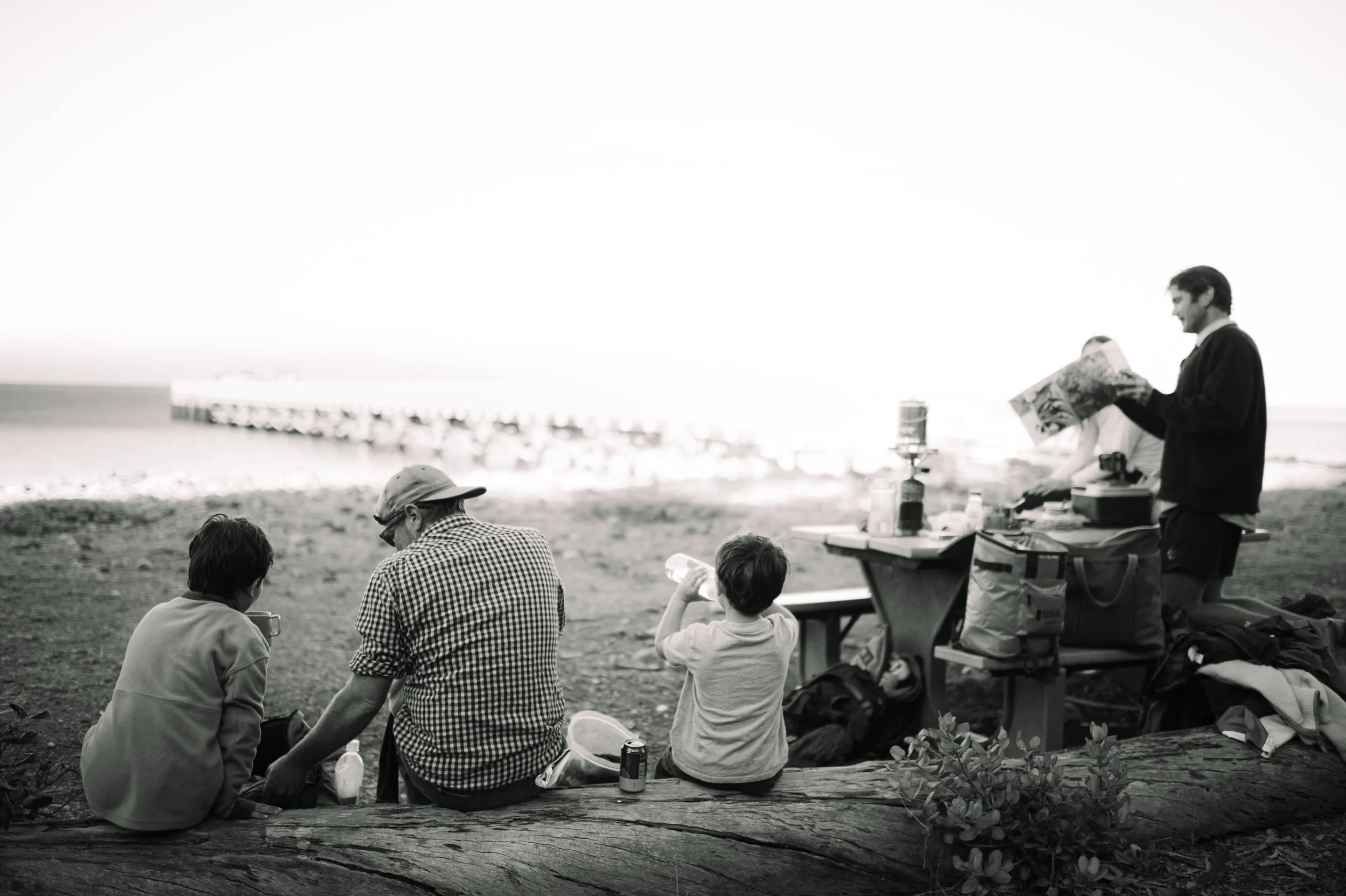
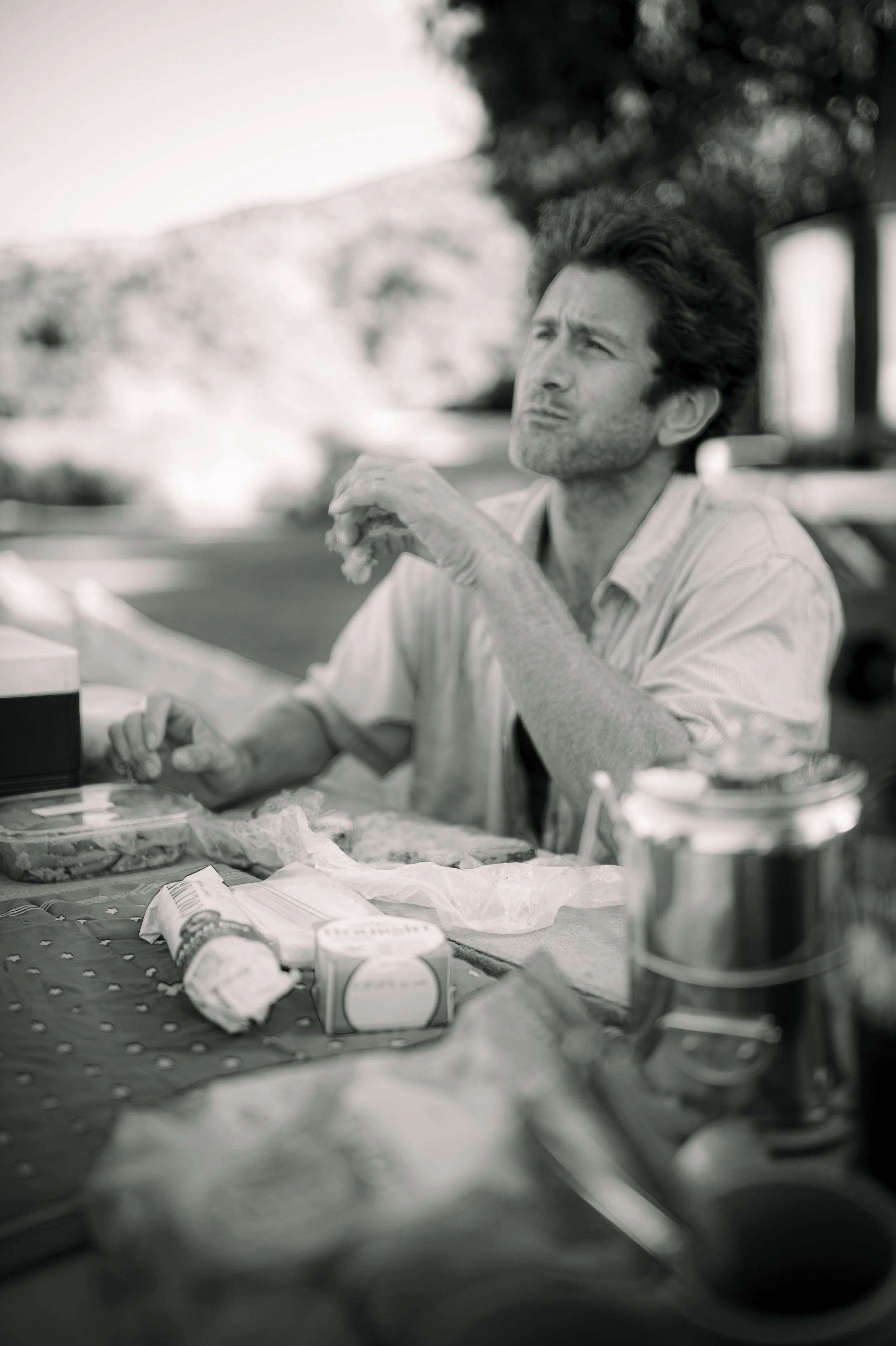
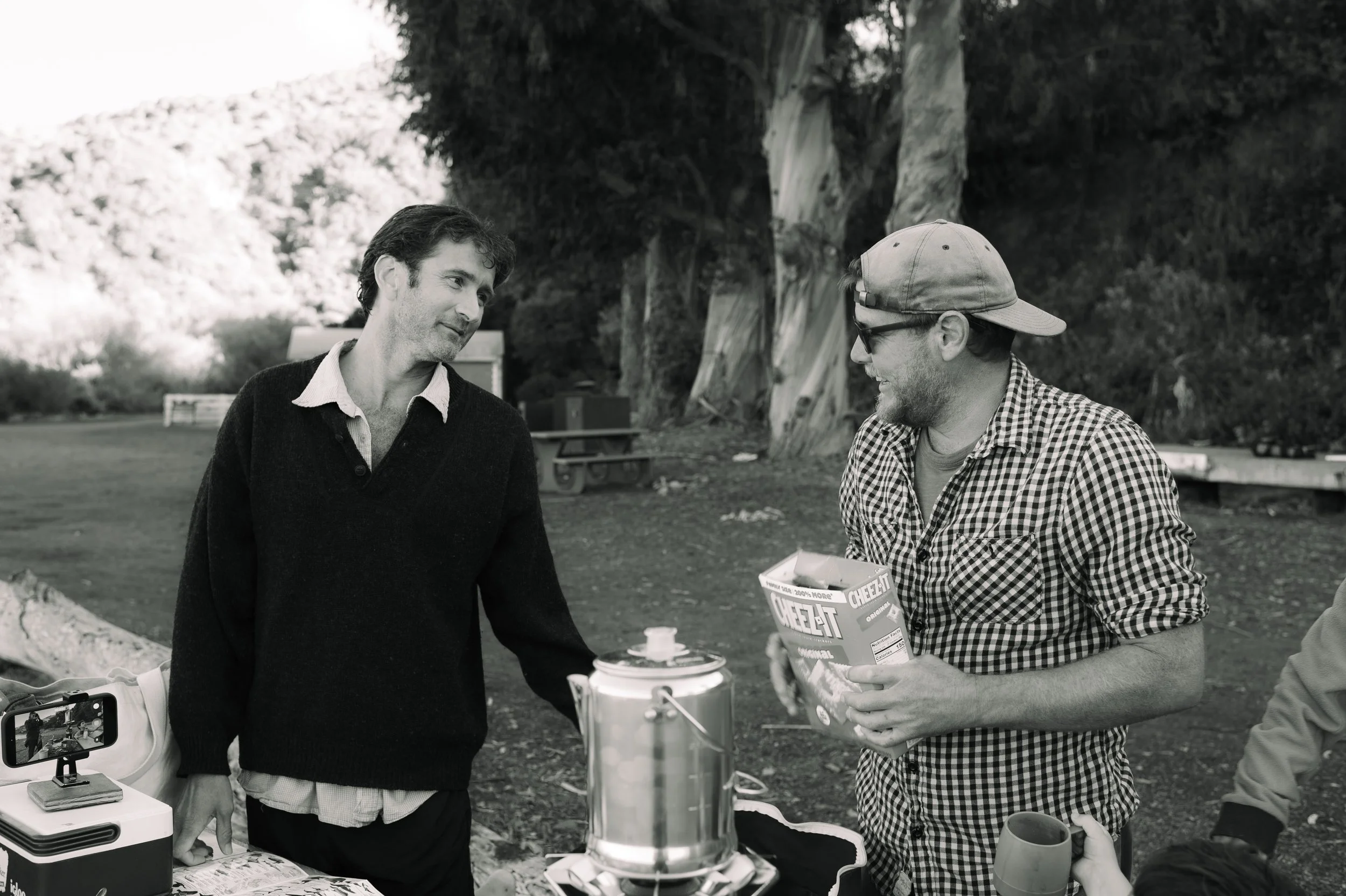
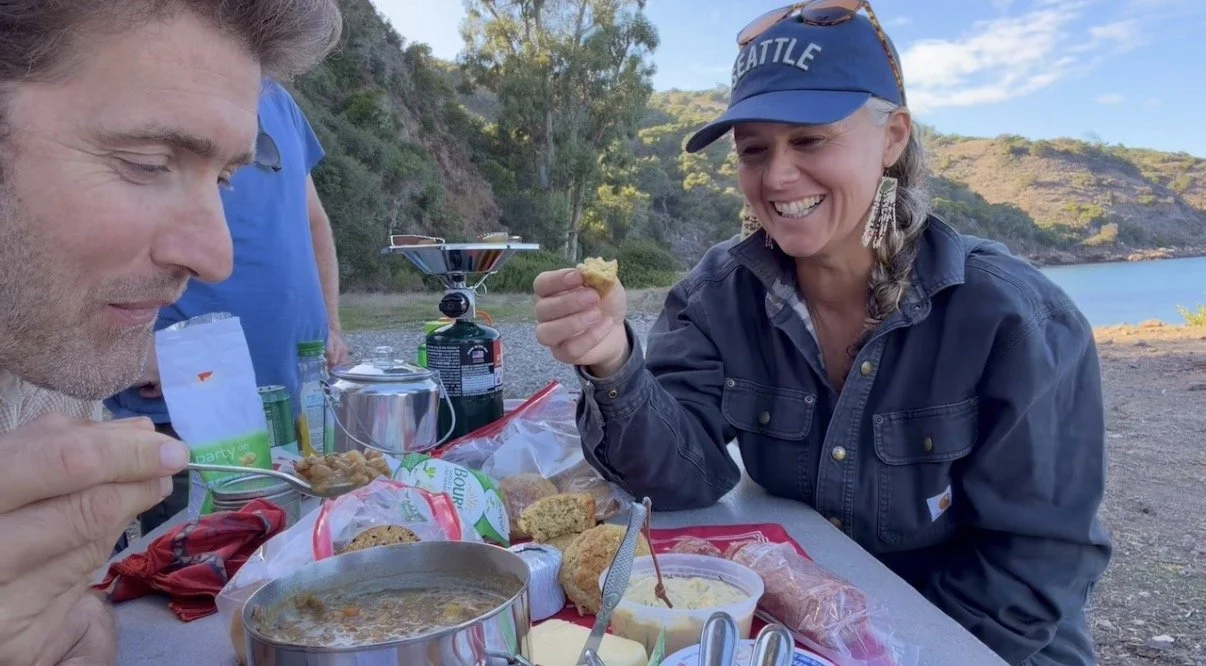
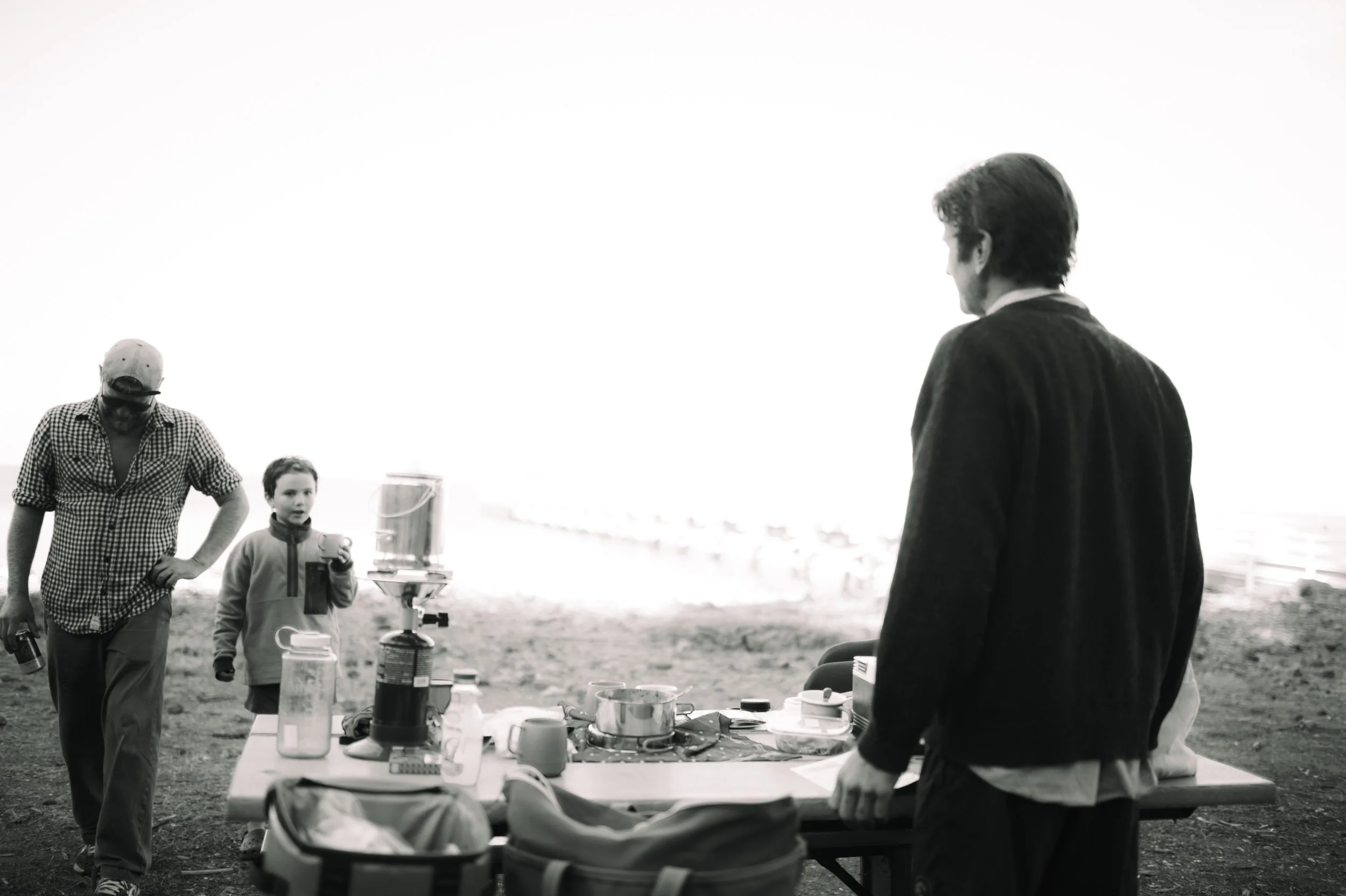
We set the picnic table by the pier for lunch at around three o’clock. Although our day had been far from cold and rainy, I appreciated my preparations for a warm stove and hot soup, although my brother laughed at me and Max called my planning apocalyptic. It think it just makes things more interesting. The boat picked us up at 4:30. We saw humpback whales and dolphins on the way home. You can still feel the energy of Hutash’s rainbow and the brothers and sisters of the Chumash as they dive and swim with the boat.
lentil soup and oatmeal muffins
〰️
lentil soup and oatmeal muffins 〰️
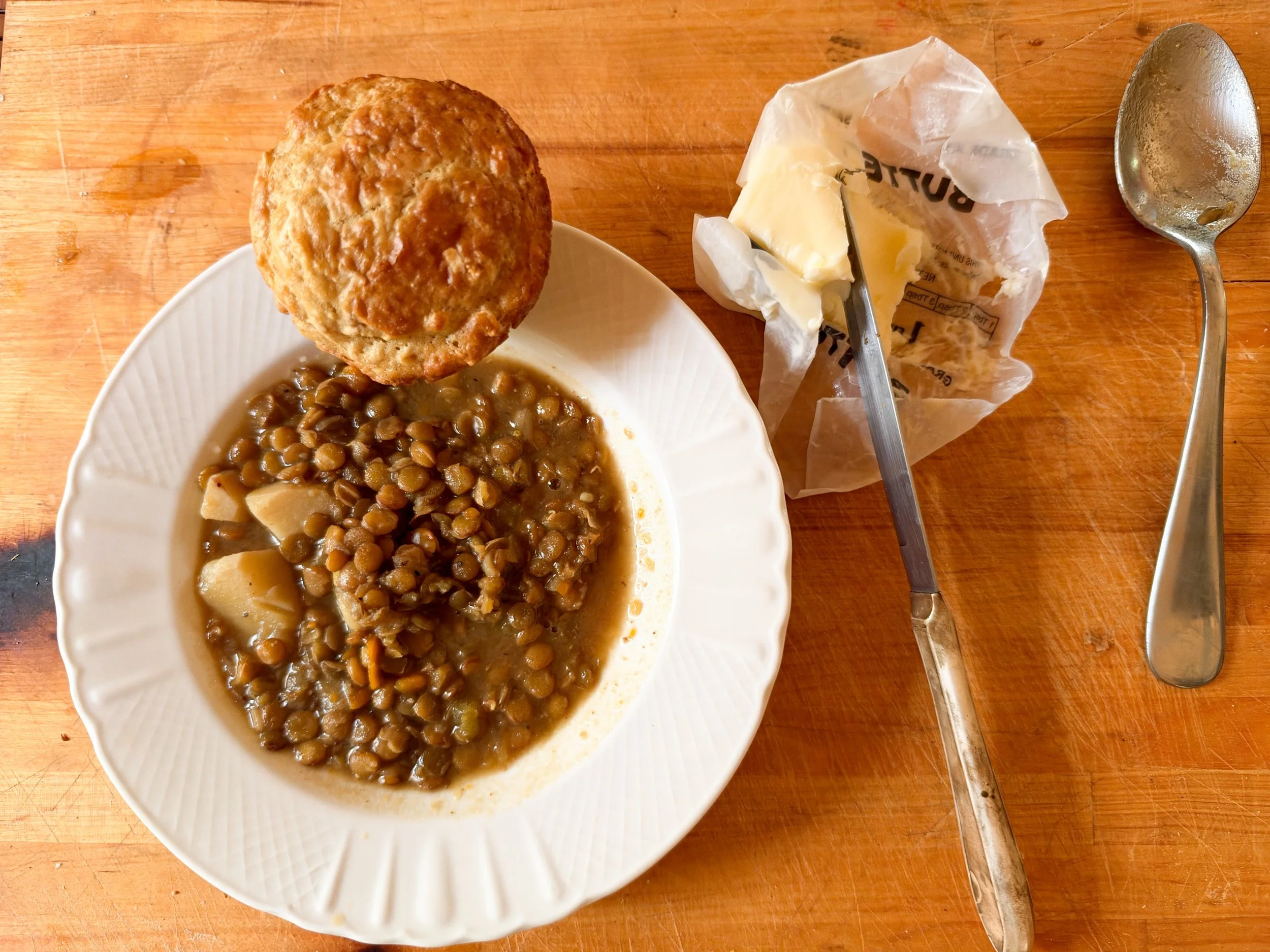
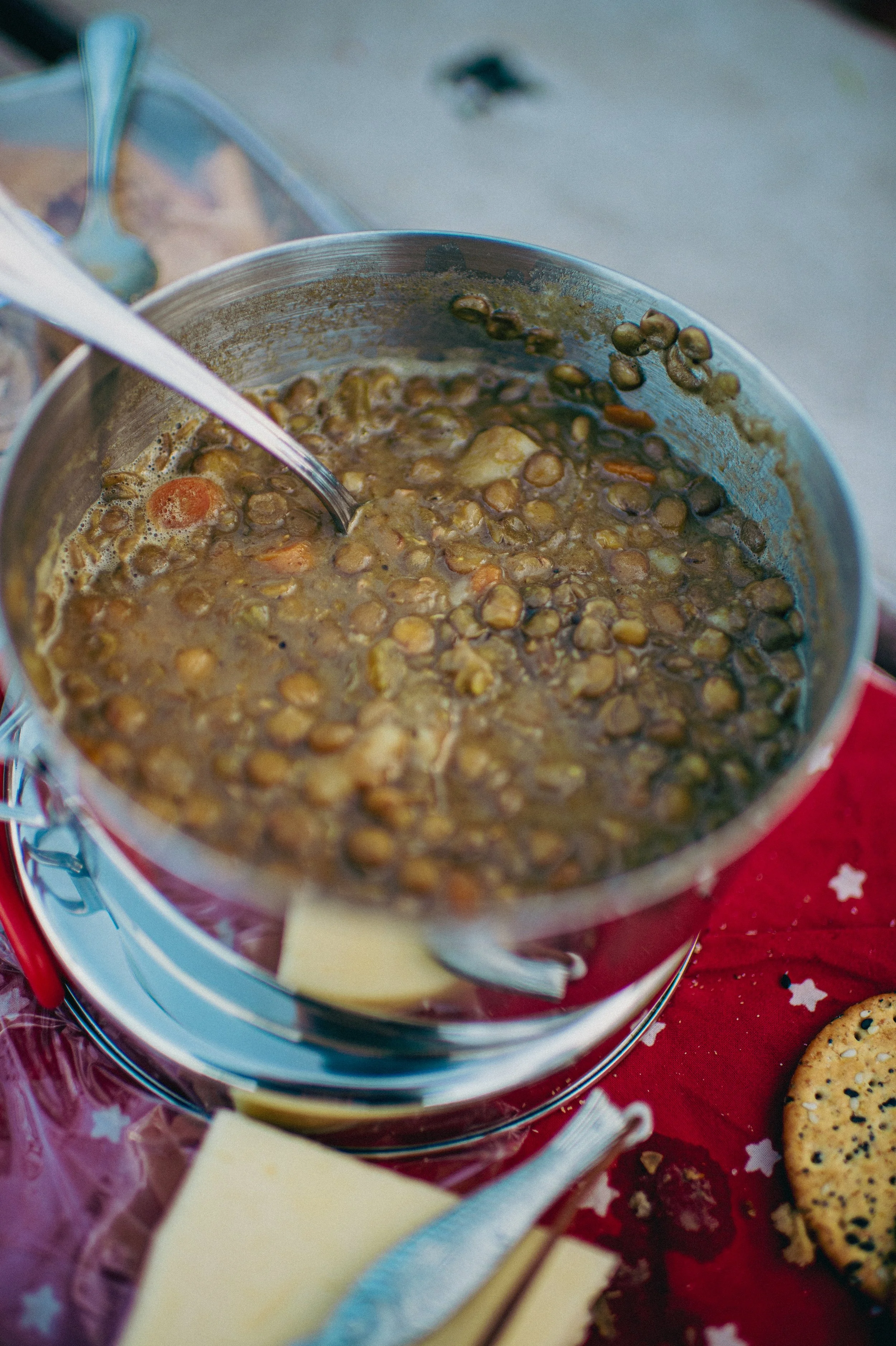
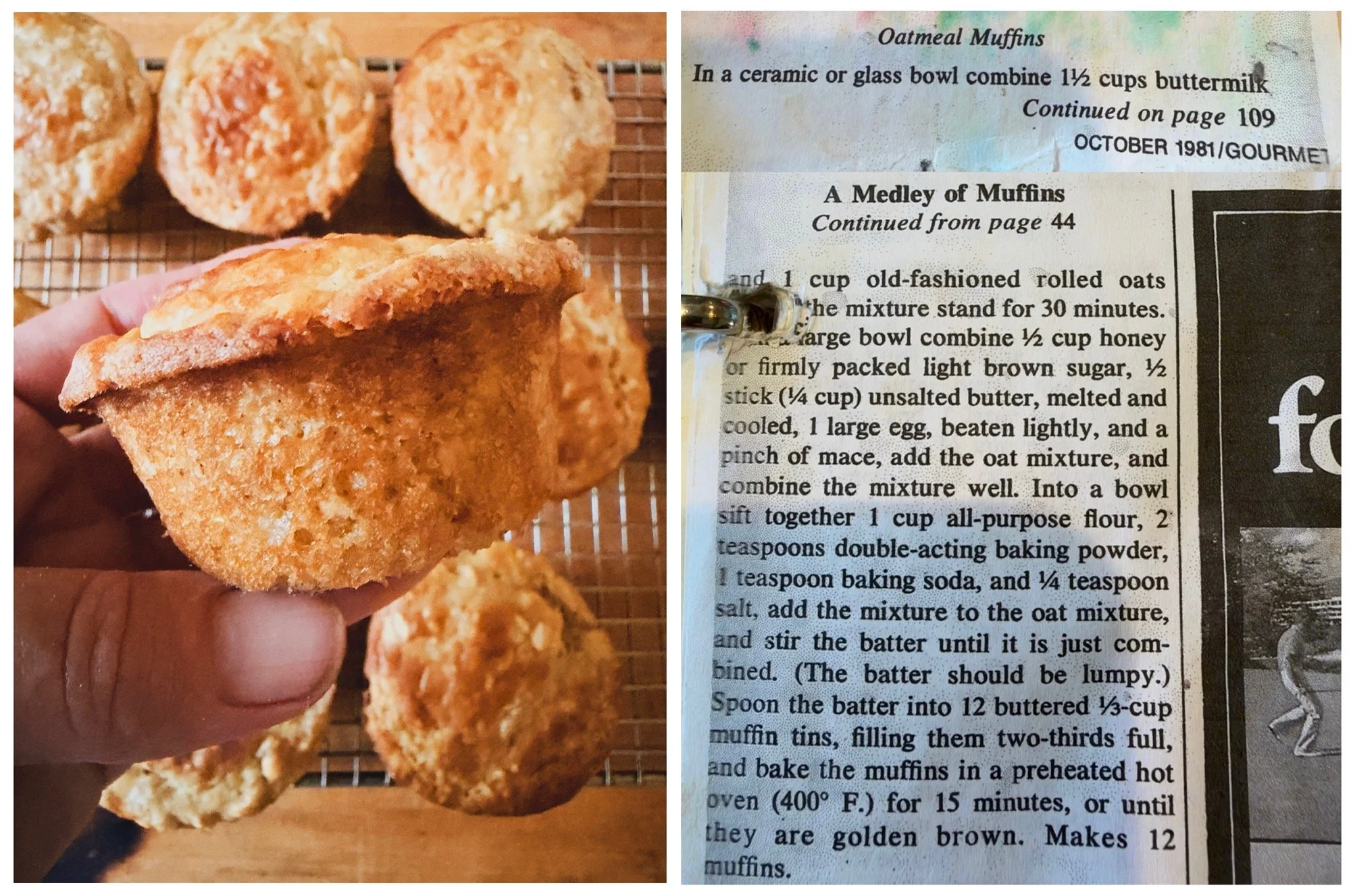
Lentil soup is not particularly attractive, but what it lacks in good looks, it makes up for in hearty warmth and comfort. This is what makes it so good for eating outdoors. The humble Oatmeal Muffin is a perfect companion to this soup and any soup or stew that hits the stove during the colder winter months. This muffin recipe comes from a torn out section in the 1981 October issue of Gourmet, titled a Medley of Muffins. I can’t place this muffin as sweet or even savory. It is unique and at it’s best fresh from the oven, hot and slathered with soft butter.
The muffin recipe calls for a pinch of mace which, if you don’t know, is a part of the nutmeg plant. The nutmeg seed has a red lace like outer covering. This covering is dried and ground into the spice mace. It has a sharper and brighter flavor than nutmeg with a citrusy note. It is often considered more refined than nutmeg, although it still carries the warm notes of nutmeg, but has a floral citrus note that is more reminiscent of coriander zest or lemon zest.
OATMEAL MUFFIN RECIPE
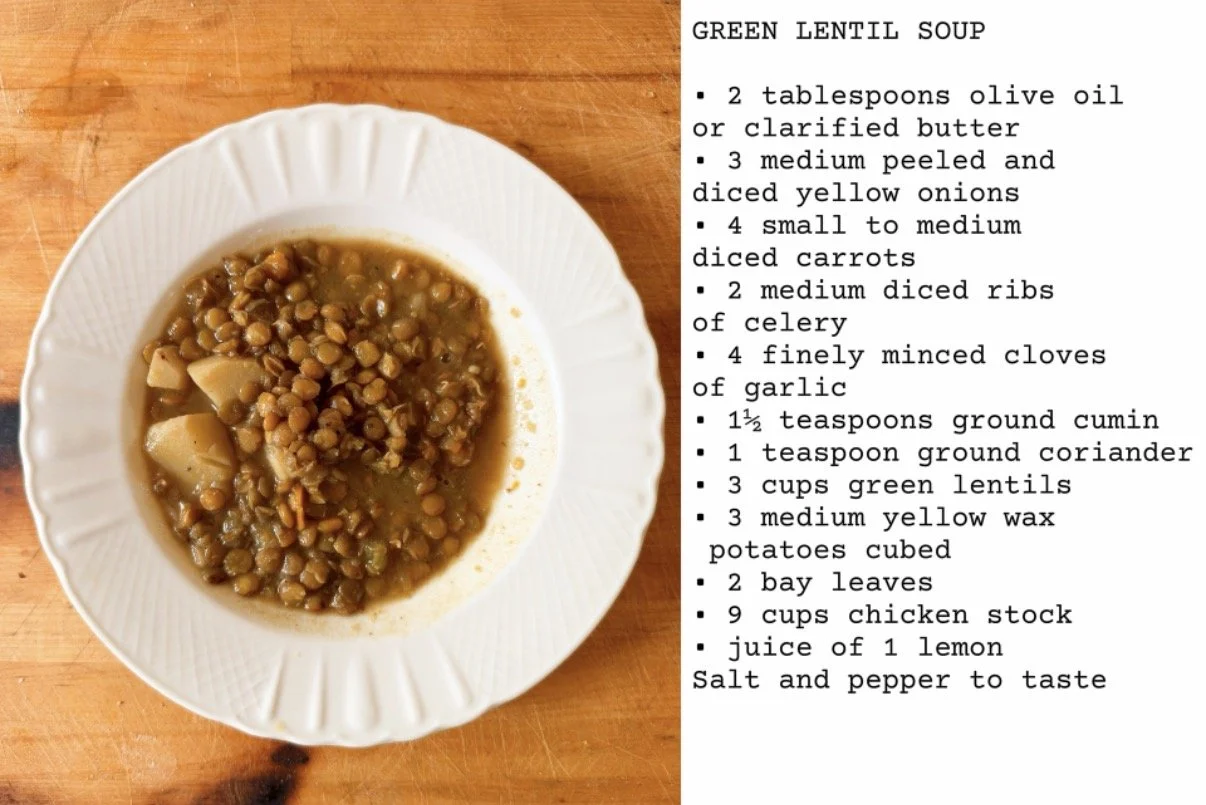
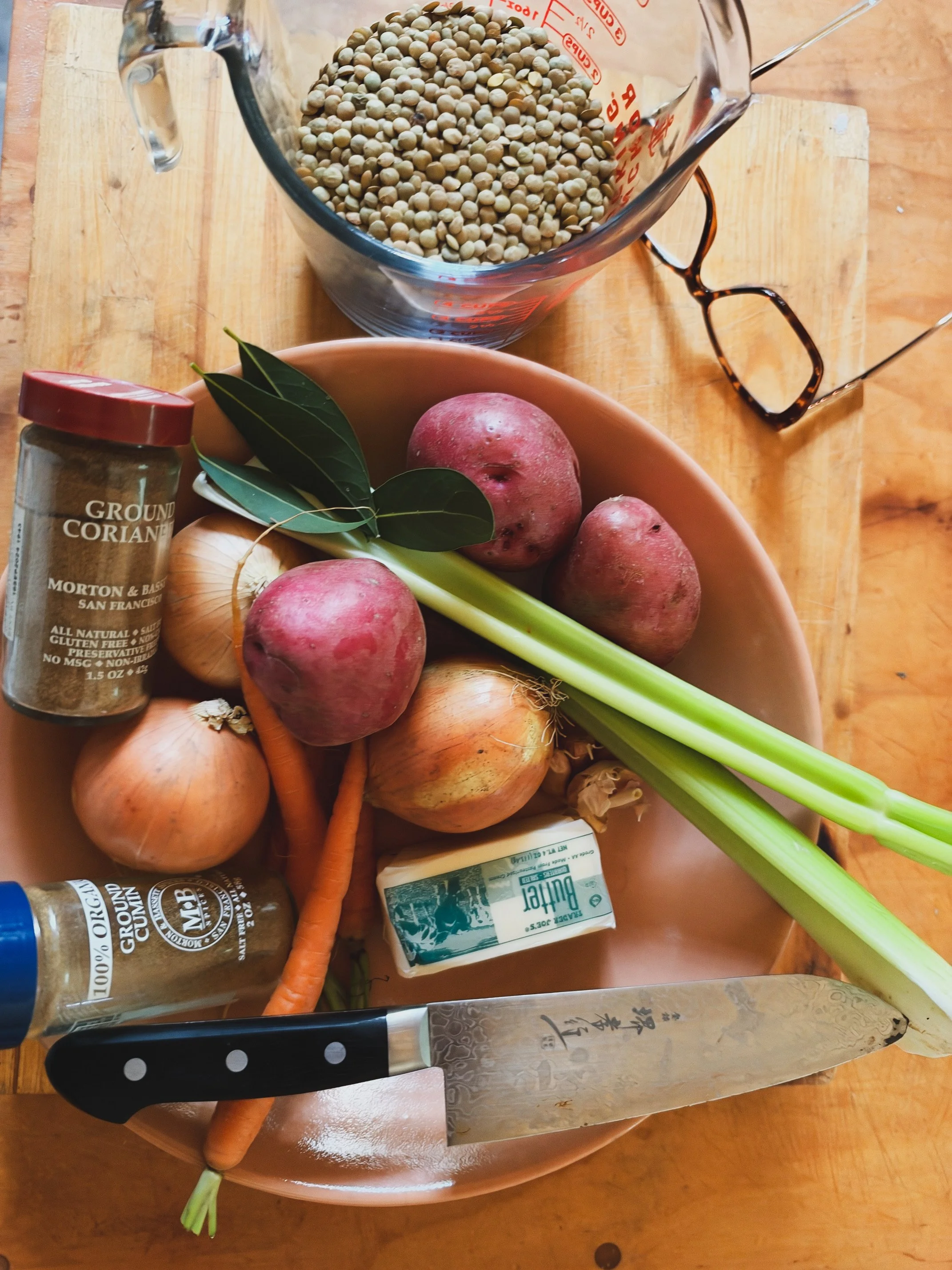
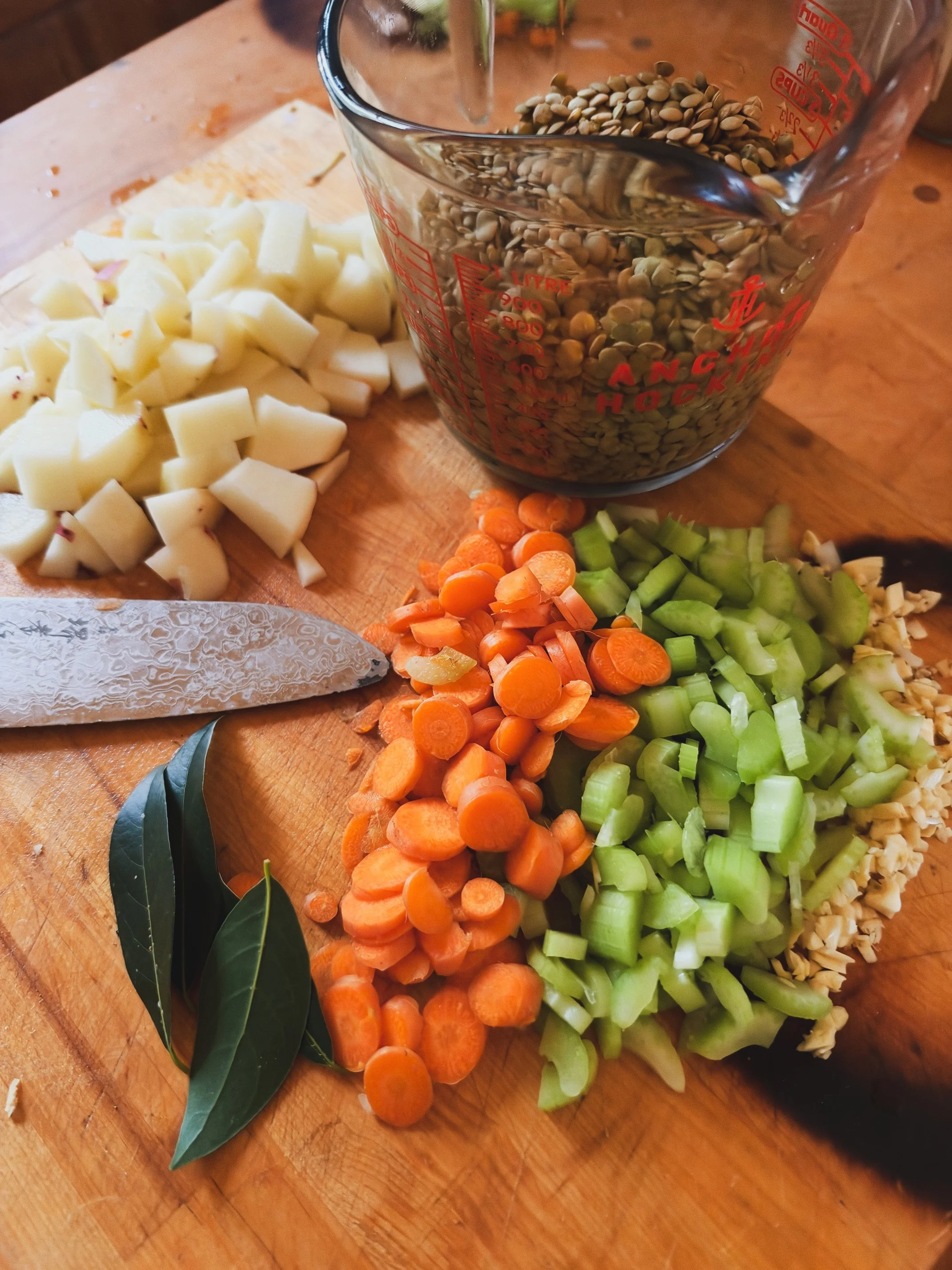
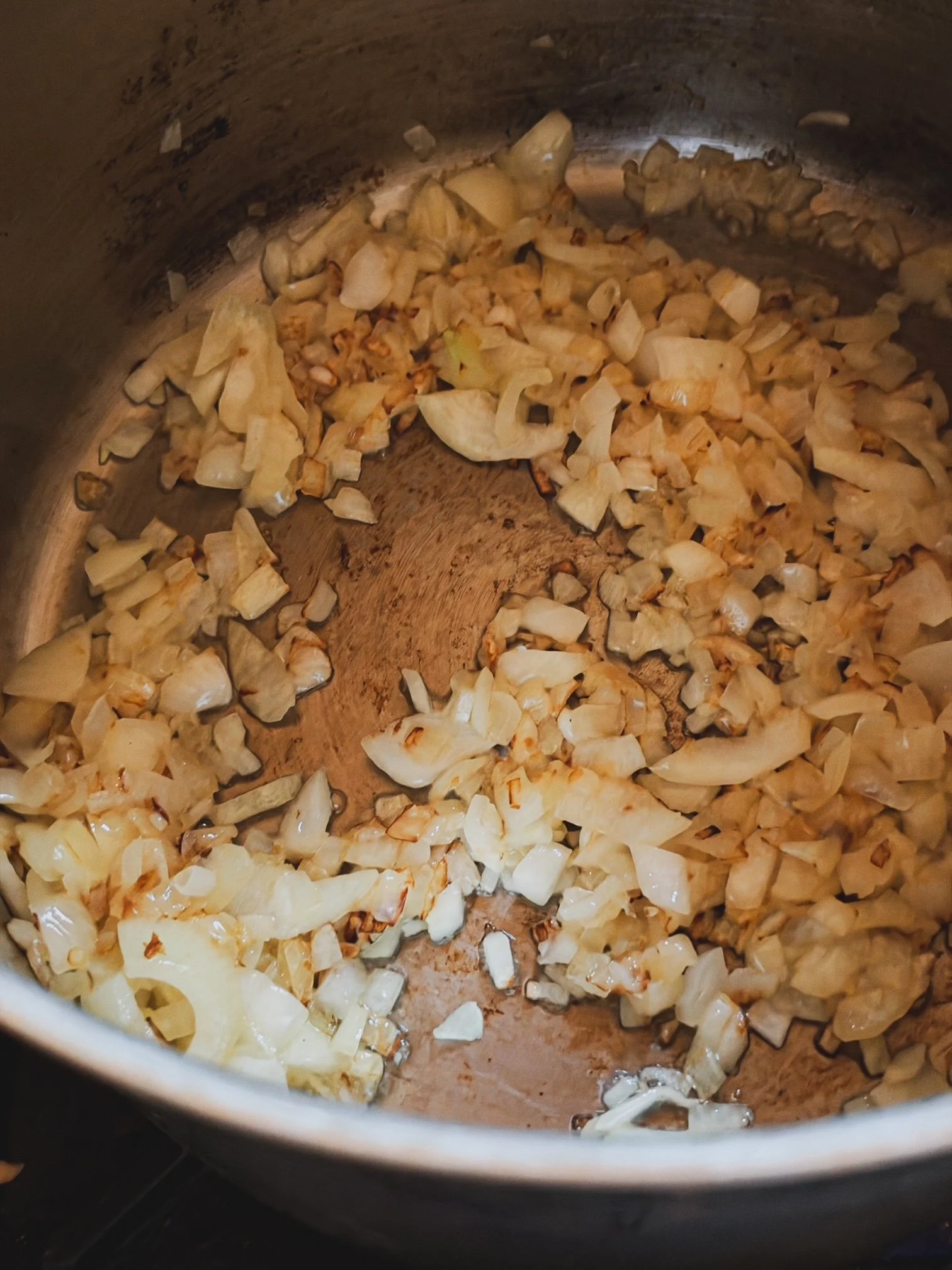
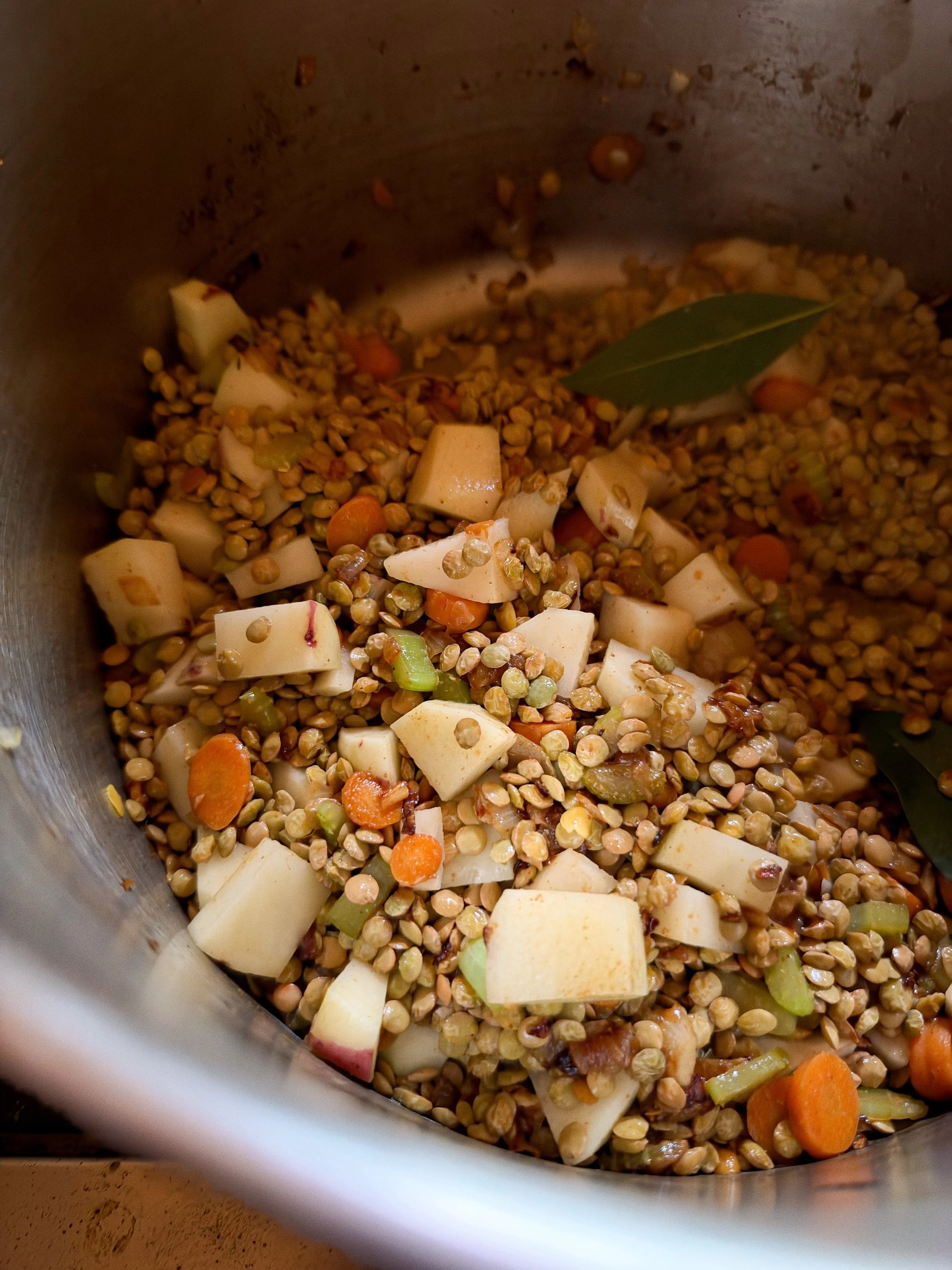
FOR THE SOUP: Heat the oil or butter in a pot. Add you onions and cook down until translucent and browned, 10-20 minutes. The longer you cook the onions the more flavor you will have. Add the chopped garlic, carrots and celery and cook for 8 to 10 minutes to soften and brown. Stir in the cumin and coriander and combine with the vegetables. Add the rinsed lentils, potatoes, bay leaves and chicken stock. Stir to combine and bring to a simmer. Cover with a lid and cook over low to medium heat for 40-45 minutes. Remove the bay leaves and pulse a portion of the soup with an immersion blender. You want to puree about one half of the soup to thicken it. Season with salt and pepper and a squeeze of lemon juice.