
EGGPLANT PARMESAN
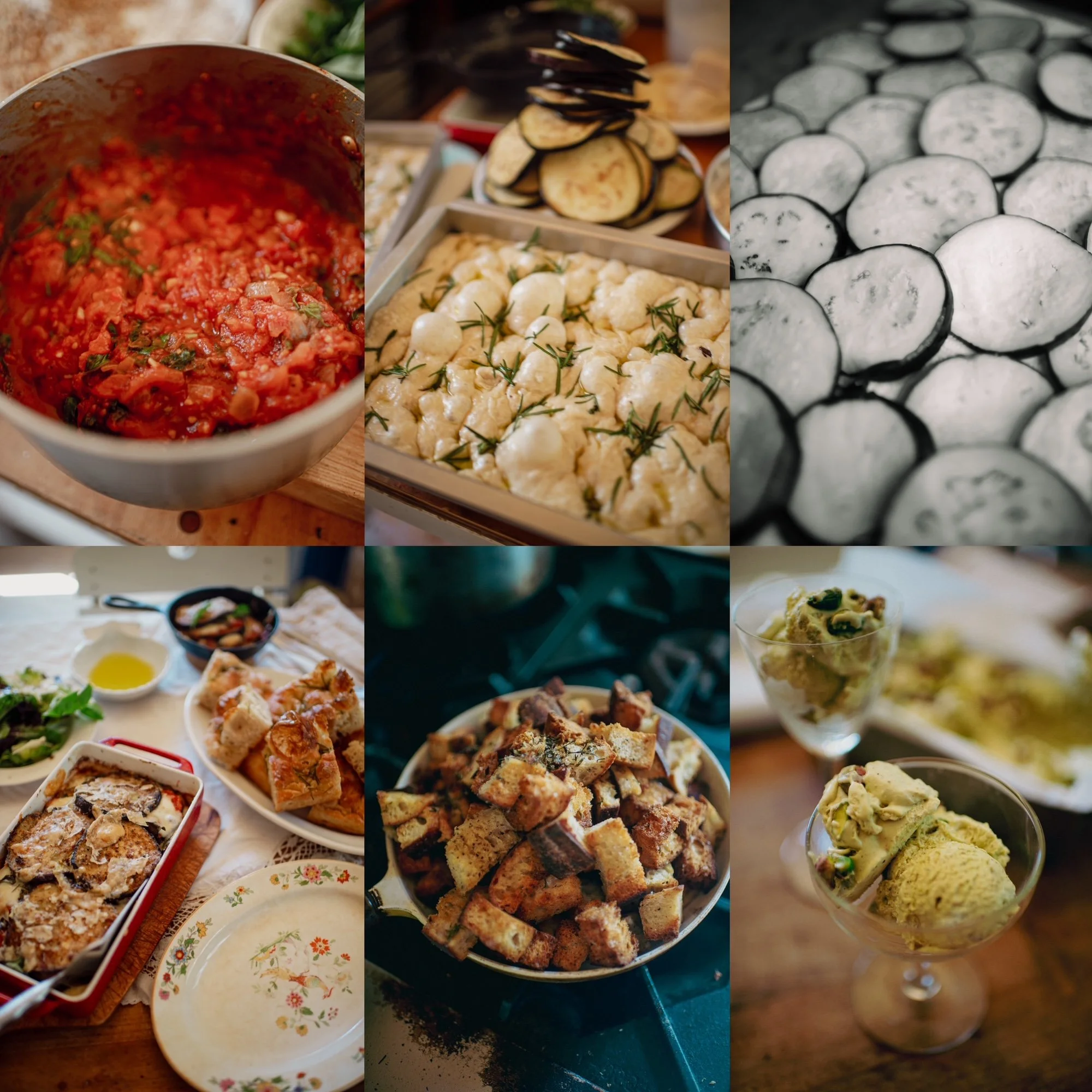
GARDEN EGGPLANT PARMESAN WITH HERB FOCACCIA AND PISTACHIO ICE CREAM
HOW TO USE GARDEN HERBS, EGGPLANT AND TOMATOES TO WHIP UP A SUMMER MEAL
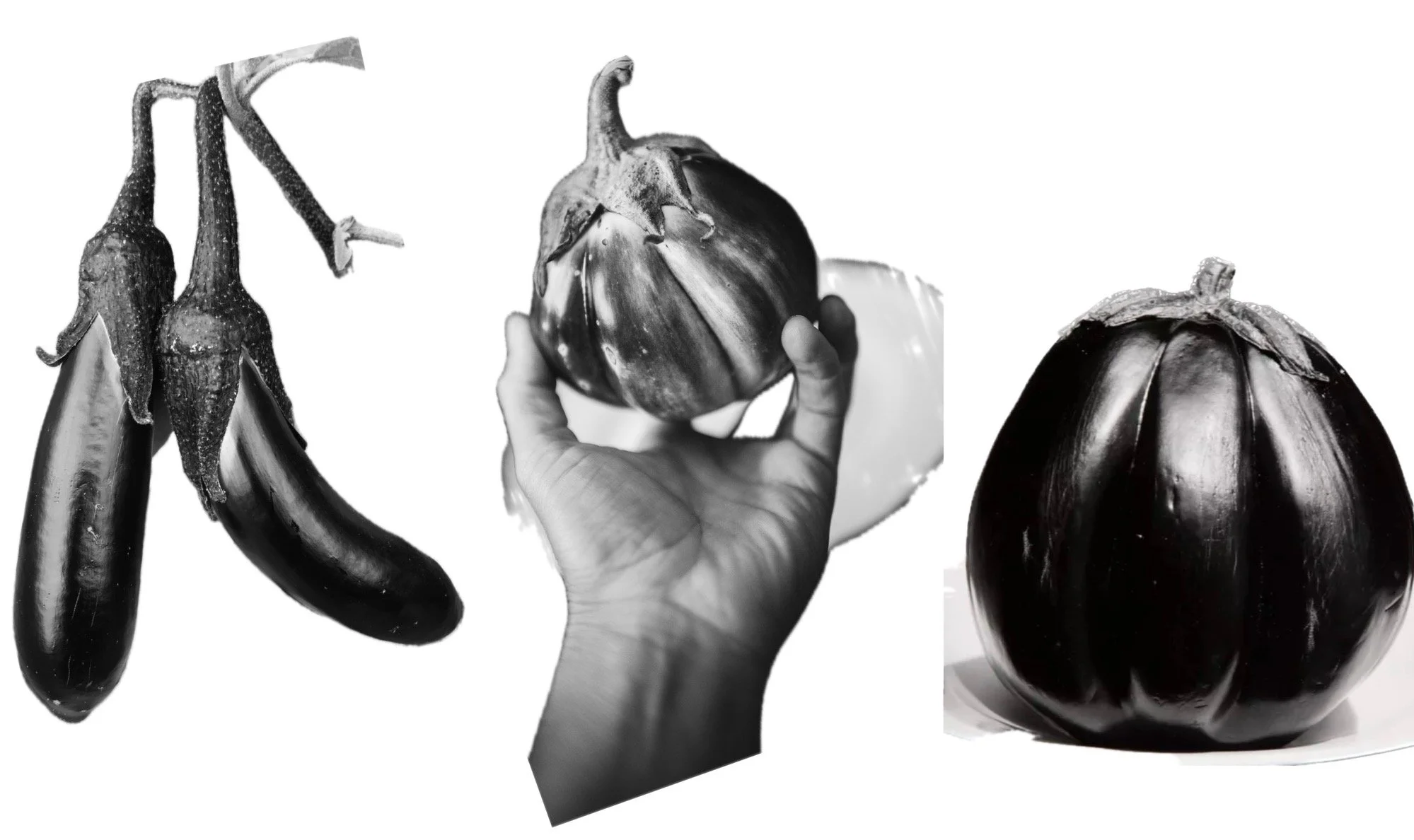
Although the exact origins of the Eggplant Parmesan are not known, it is clear it came from southern Italy. There are records of an eggplant recipe in a cookbook from Puglia in 1733, titled Cuoco galante. It resembled the layered dish, only without the tomato. It was instead layered with butter and spices. The tomato version came in a later cookbook printing by Ippolito Cavalcanti in 1837, Naples.
The name ‘parmigiana’ has origins in Parma but the dish did not come from that northern city so it is clear that the name refers to something else and is often associated with the word ‘parmiciana’. Parmiciana is a word that describes the overlapping wooden slats of a window shutter and it is thought that the layering of the eggplant in the casserole dish mimics this arrangement.
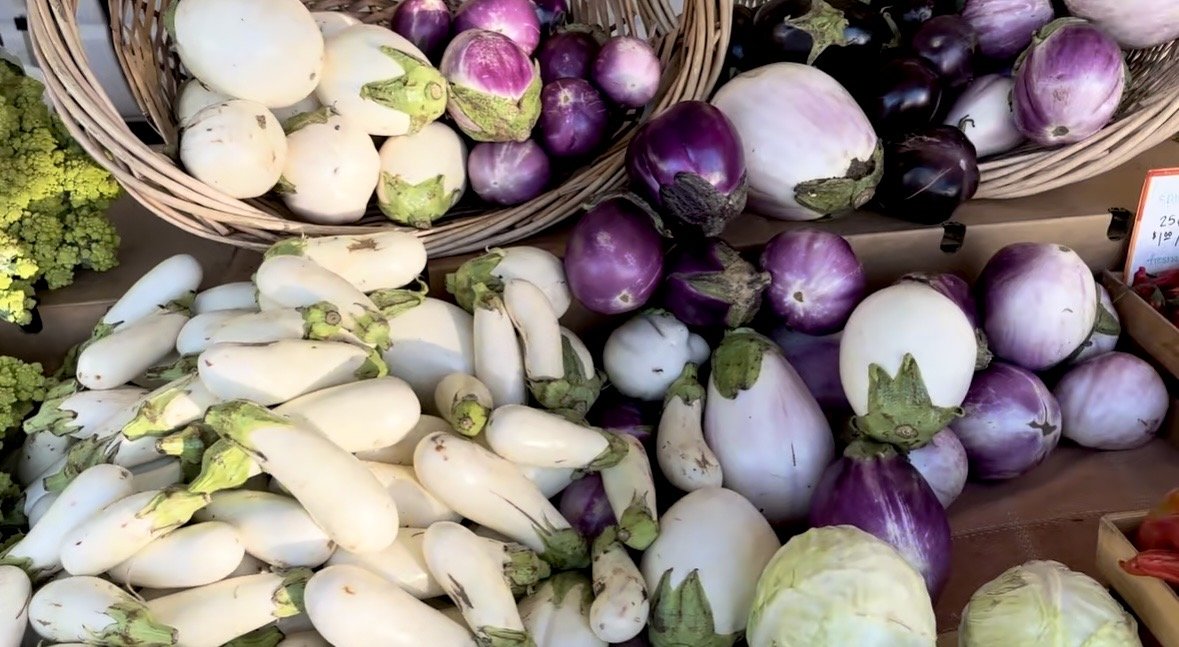
I found this to be a staple late summer dish during the years I farmed. I stumbled across the recipe I am sharing here in an old newsletter I wrote for the weekly farm share baskets years ago. I often found myself digging for recipes to encourage our shareholders to not be intimidated by the sometimes bountiful and strange crops that would grace their baskets. Our CSA program ( Community Supported Agriculture) had a funny way of making people feel both elated and guilty at the same time. For all of the highly anticipated crops, there were an equal amount of less appealing vegetables that either found their way from a shareholder’s basket to the neighbor next door or the compost bin. I began writing newsletters with recipes to inspire our shareholders in those moments of guilt and frustration. When summer came around I wrote an awful lot about the over abundance of zucchini, the canning of bush beans and dry farmed tomatoes that were already roasting on the vines and every year I reintroduced the recipe for Eggplant Parmesan.
fresh tomato red sauce
〰️
fresh tomato red sauce 〰️
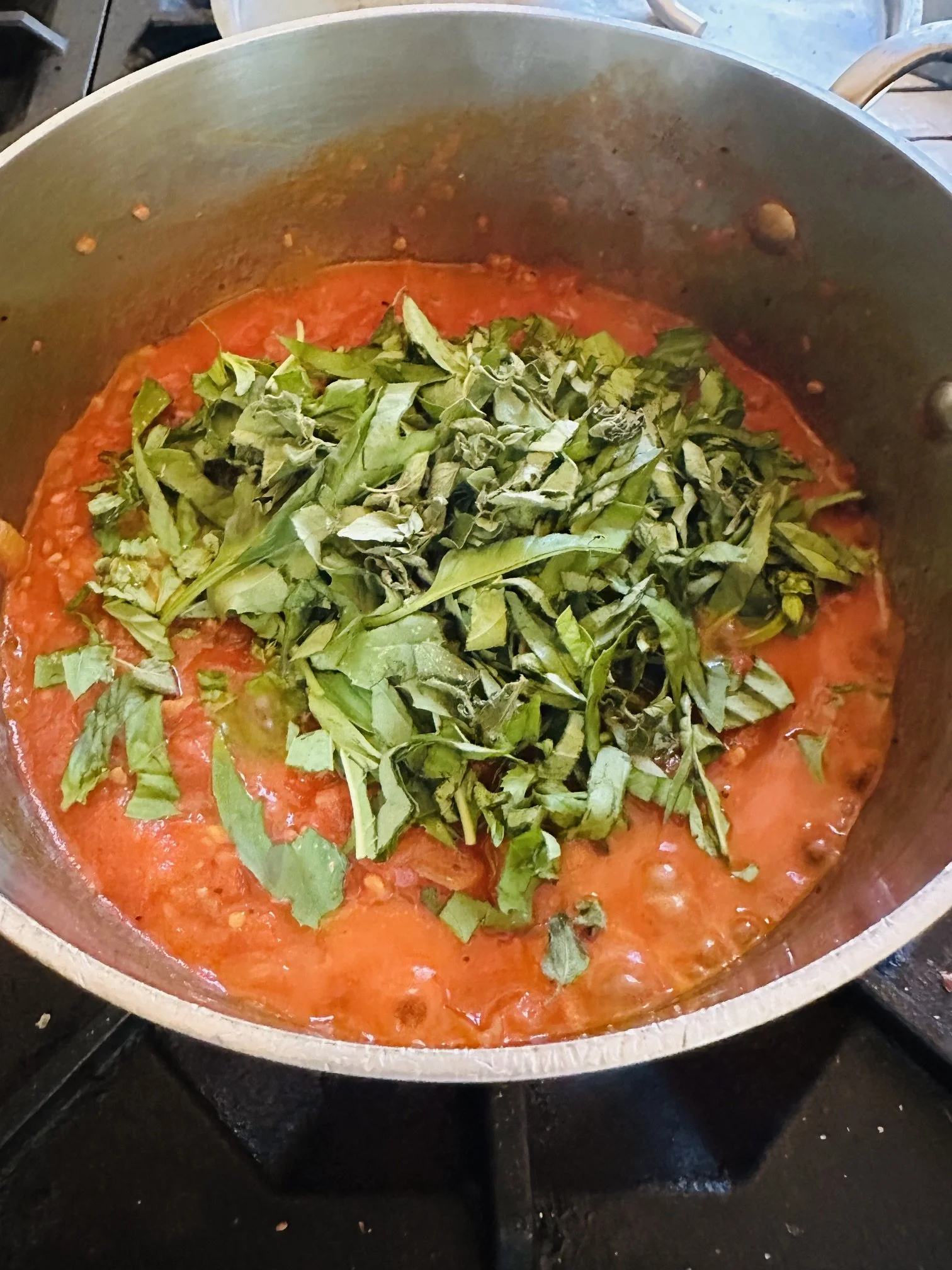
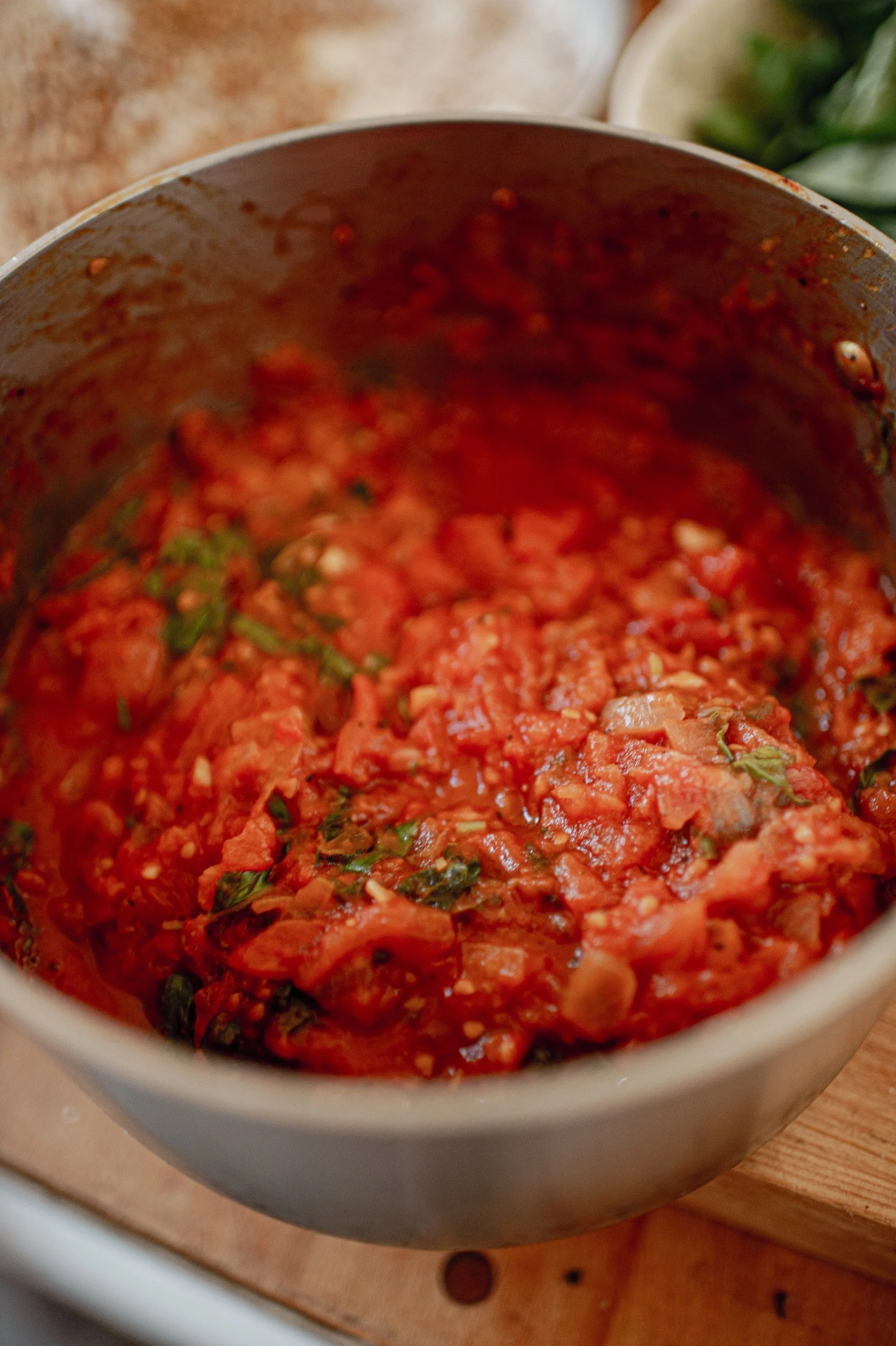
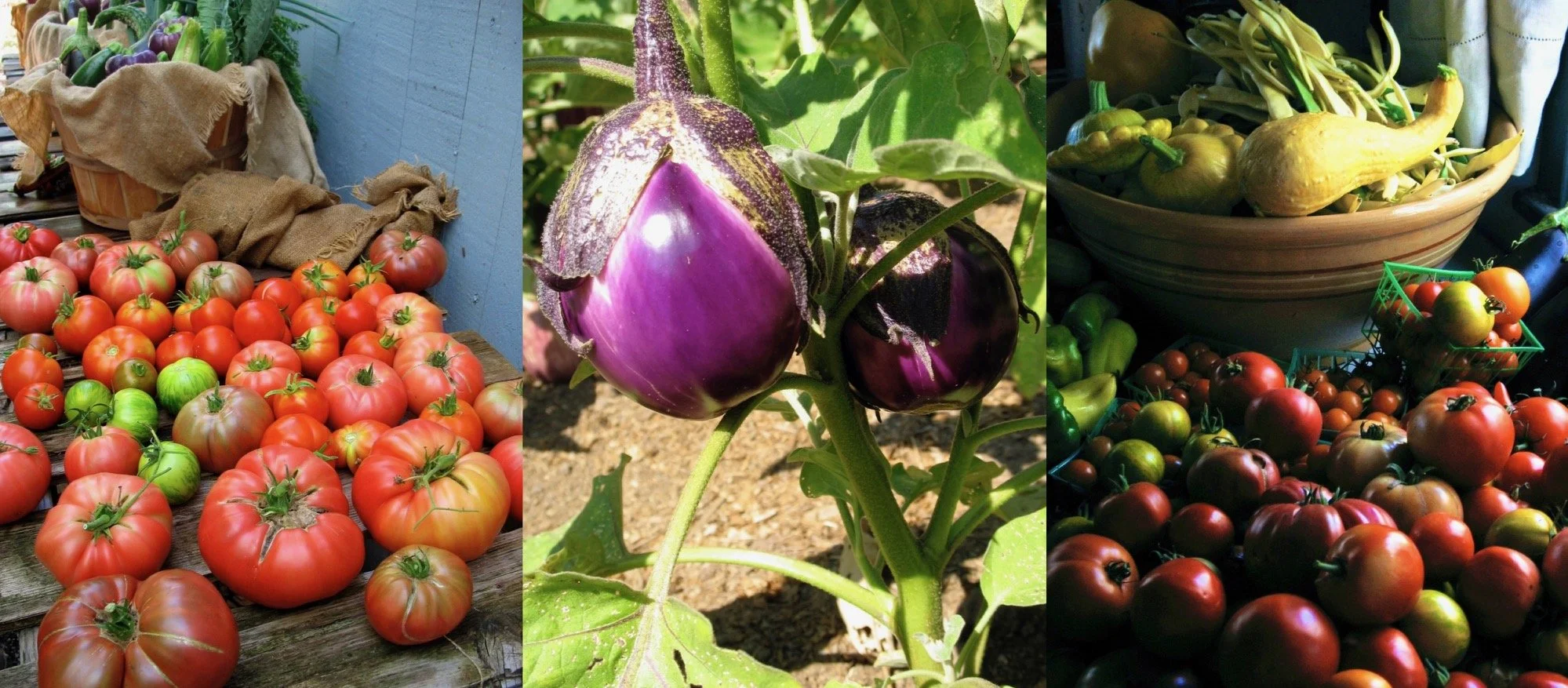
To start, we will make a red sauce. To make the red sauce I use fresh tomatoes. I do this because tomatoes come in full force when eggplants do. They are meant to be together. You will find tomatoes at any farmers market in the summer so it is easy to make your sauce fresh. But first you have to blanch your tomatoes.
I use about 6 pounds of plum tomatoes for this recipe. They will cook down significantly. We will blanch the tomatoes to easily remove and discard the skins. Get a pot of water boiling on the stove. Fill a bowl with ice cold water. Cut an X into the bottom of each tomato. When the water is boiling drop the tomatoes into the pot and boil for roughly 60 seconds. Remove from the boiling water and drop in the bowl of ice water. At this point it is easy to remove the skins as they come off cleaning and smoothly. De stem and core your tomatoes and then dice into smaller pieces. Set aside.
In a sauce pot bring a couple of tablespoons olive oil to temp. Drop two diced yellow onions into the pot and saute until translucent. Add in a handful of chopped garlic and cook for a few minutes. Add in a tablespoon of tomato paste and then a dash of white wine. Stir with a spoon until generously mixed. Then add in your tomatoes. Cover the pot with a lid slightly askew so that steam can release from the top and bring the temp down to a strong simmer. Let this cook down for an hour or so. If you find the liquid starts to dry up you can add some water with a dash more tomato paste steeped in like a stock. After about an hour you can add in your herbs. I go heavy on the basil. You can also add some oregano and thyme. Finally season with salt and pepper.
eggplant parmesan
〰️
eggplant parmesan 〰️
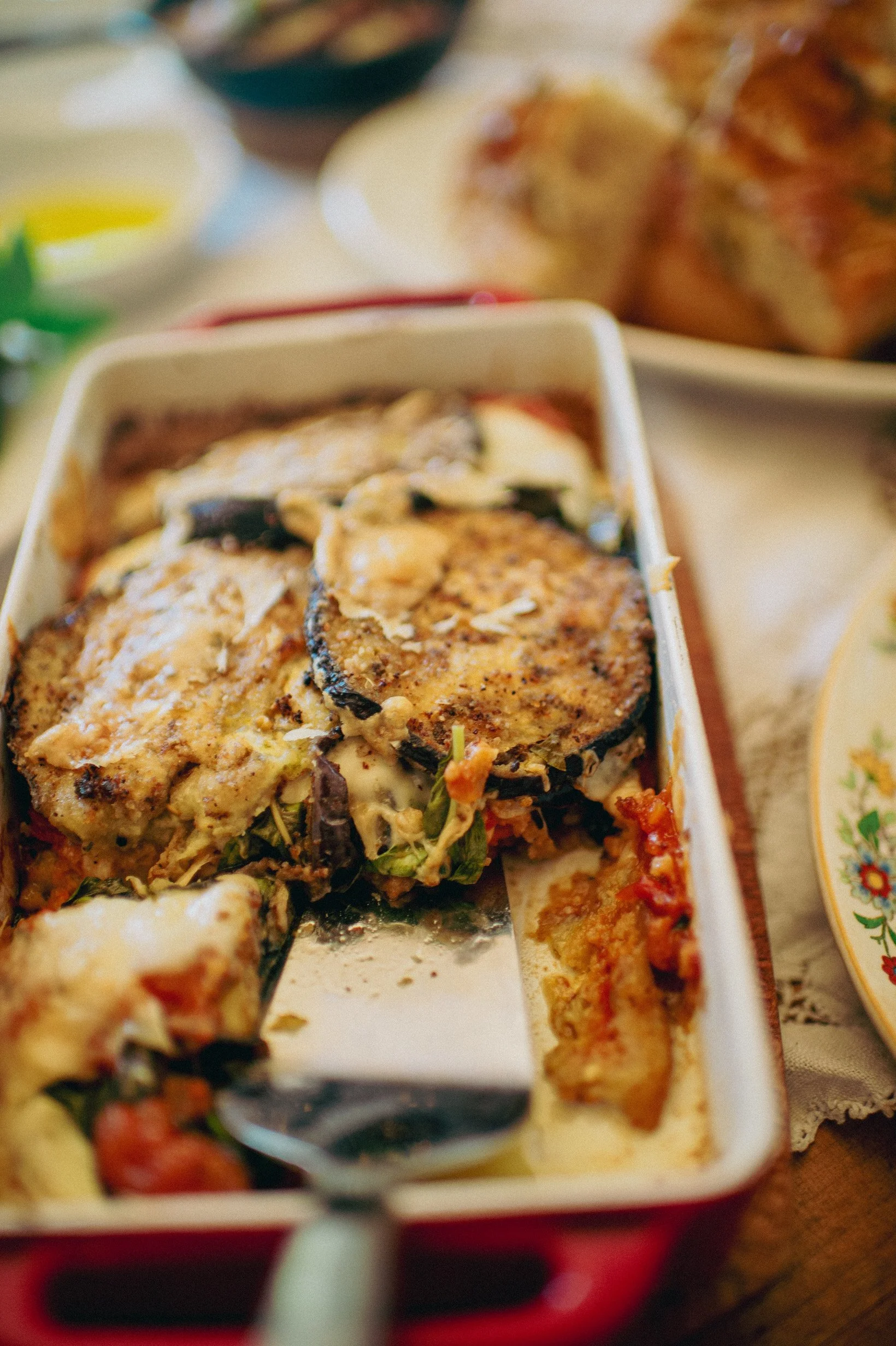
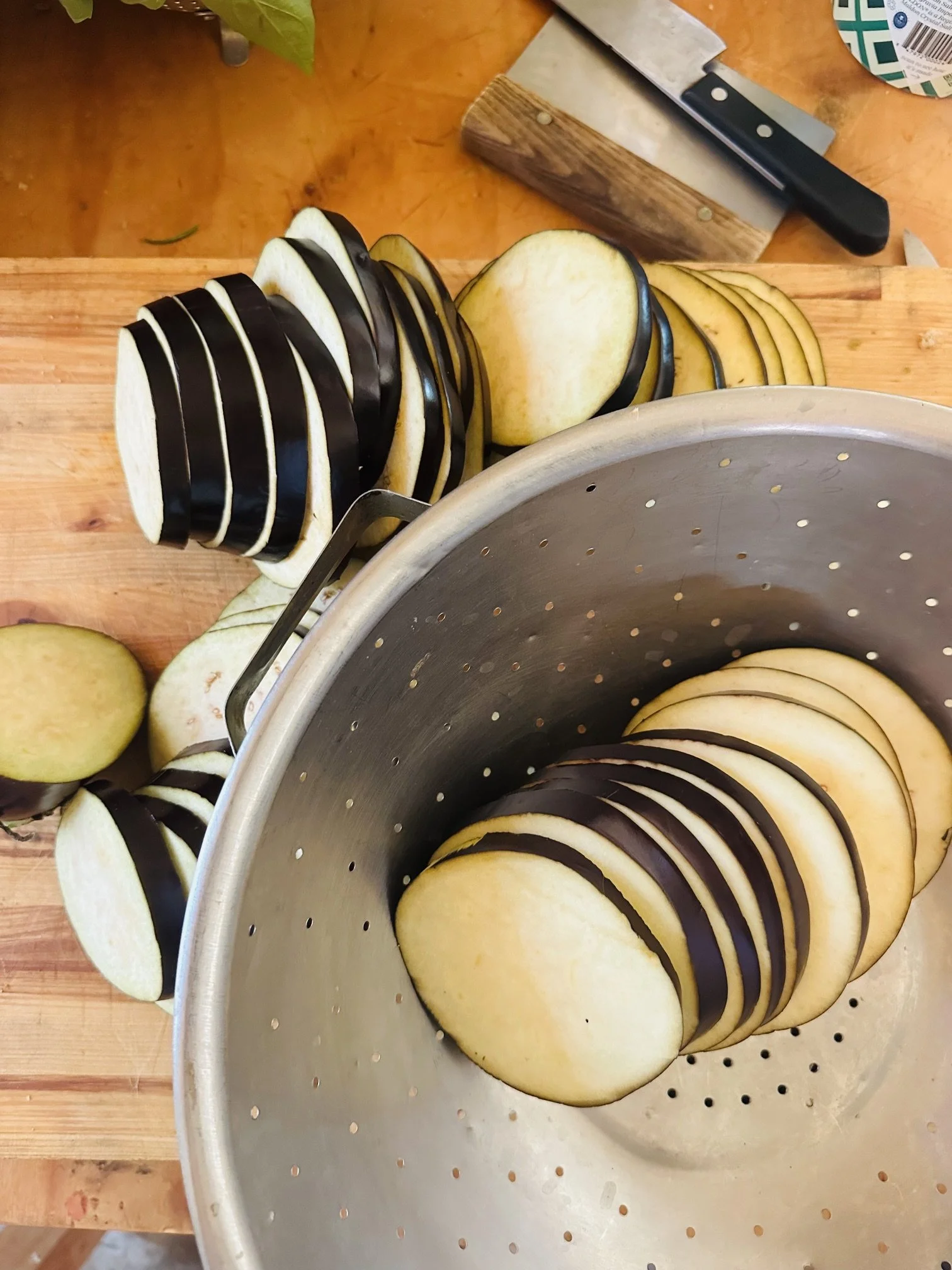
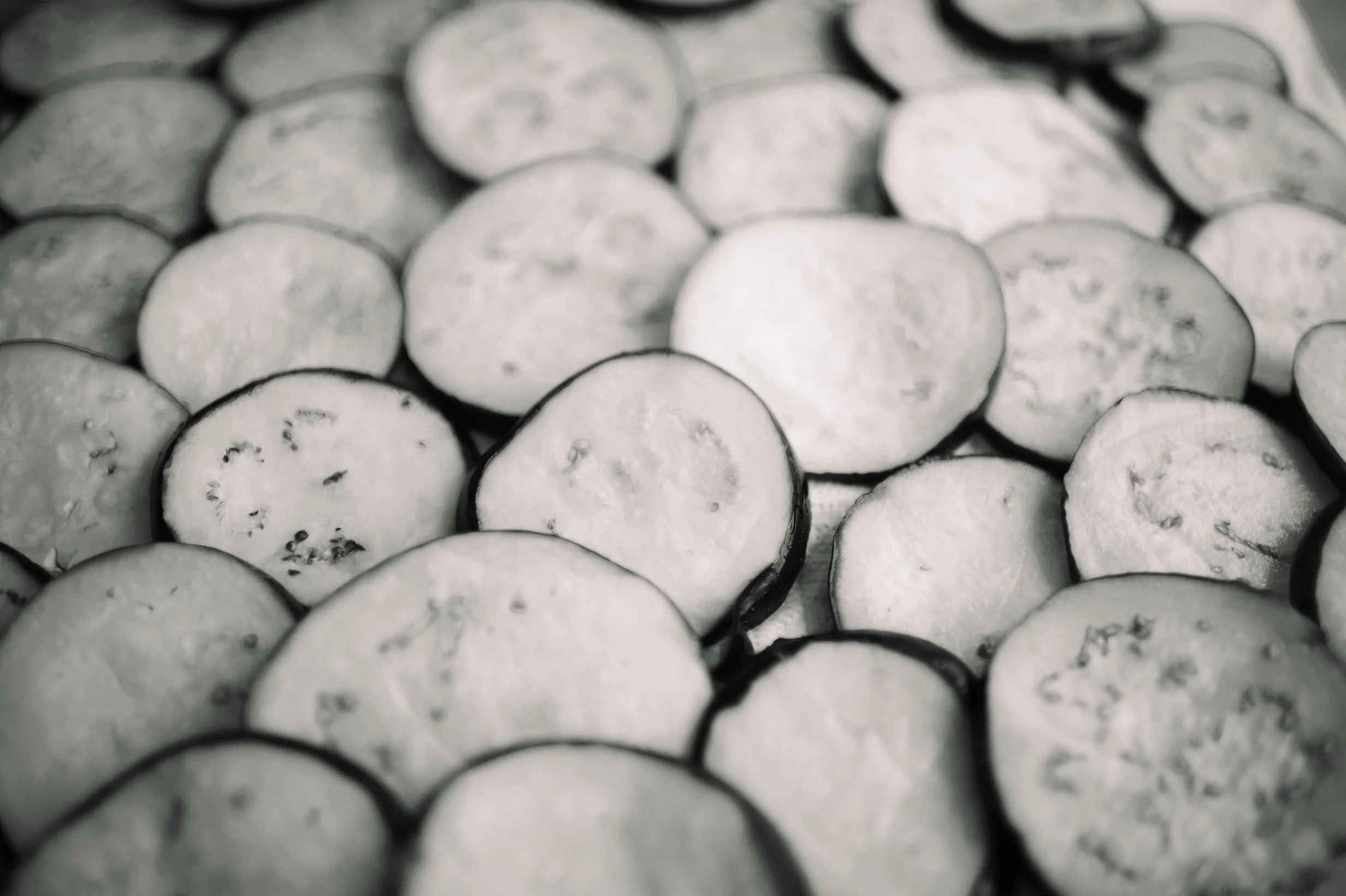
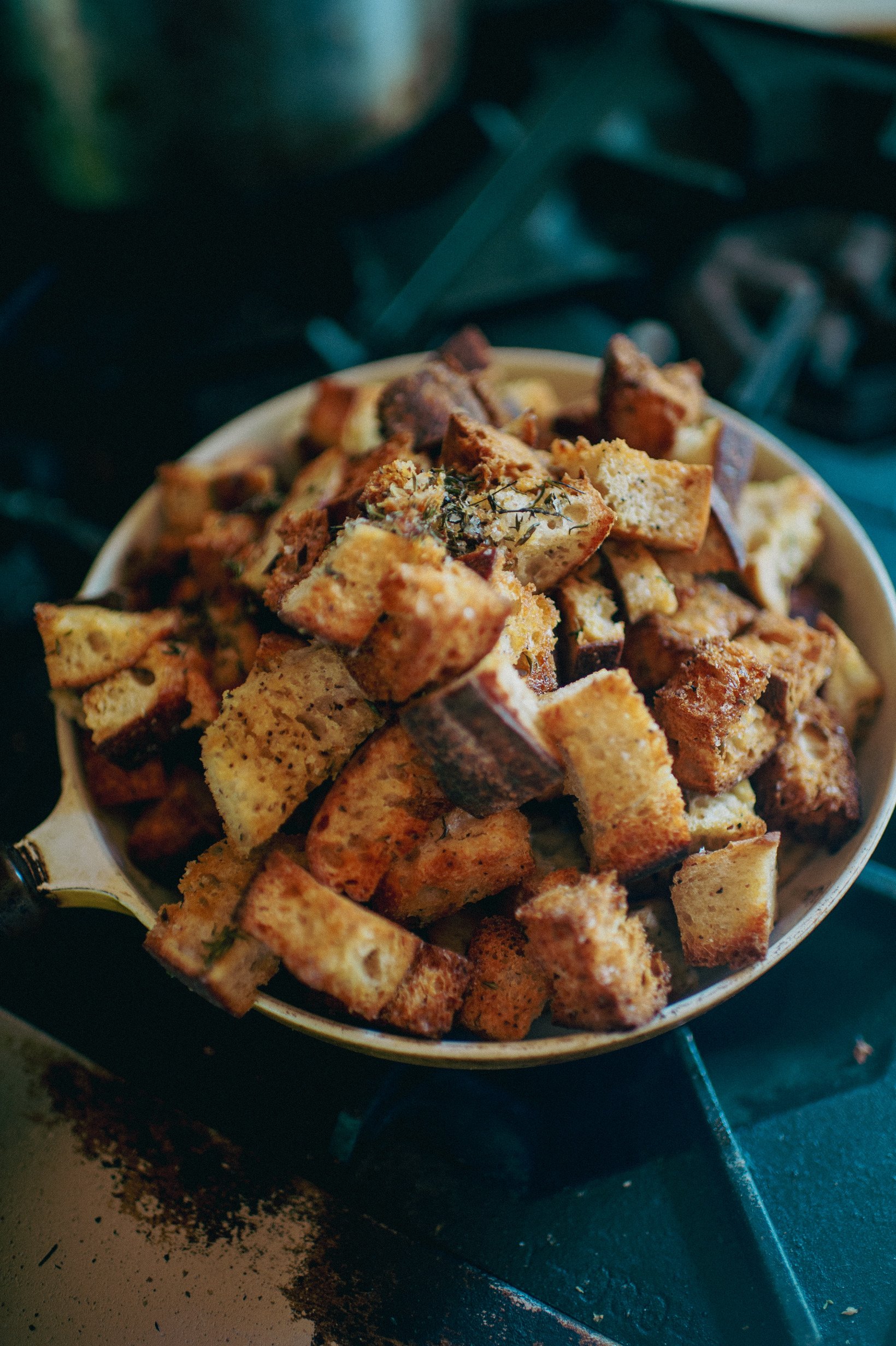
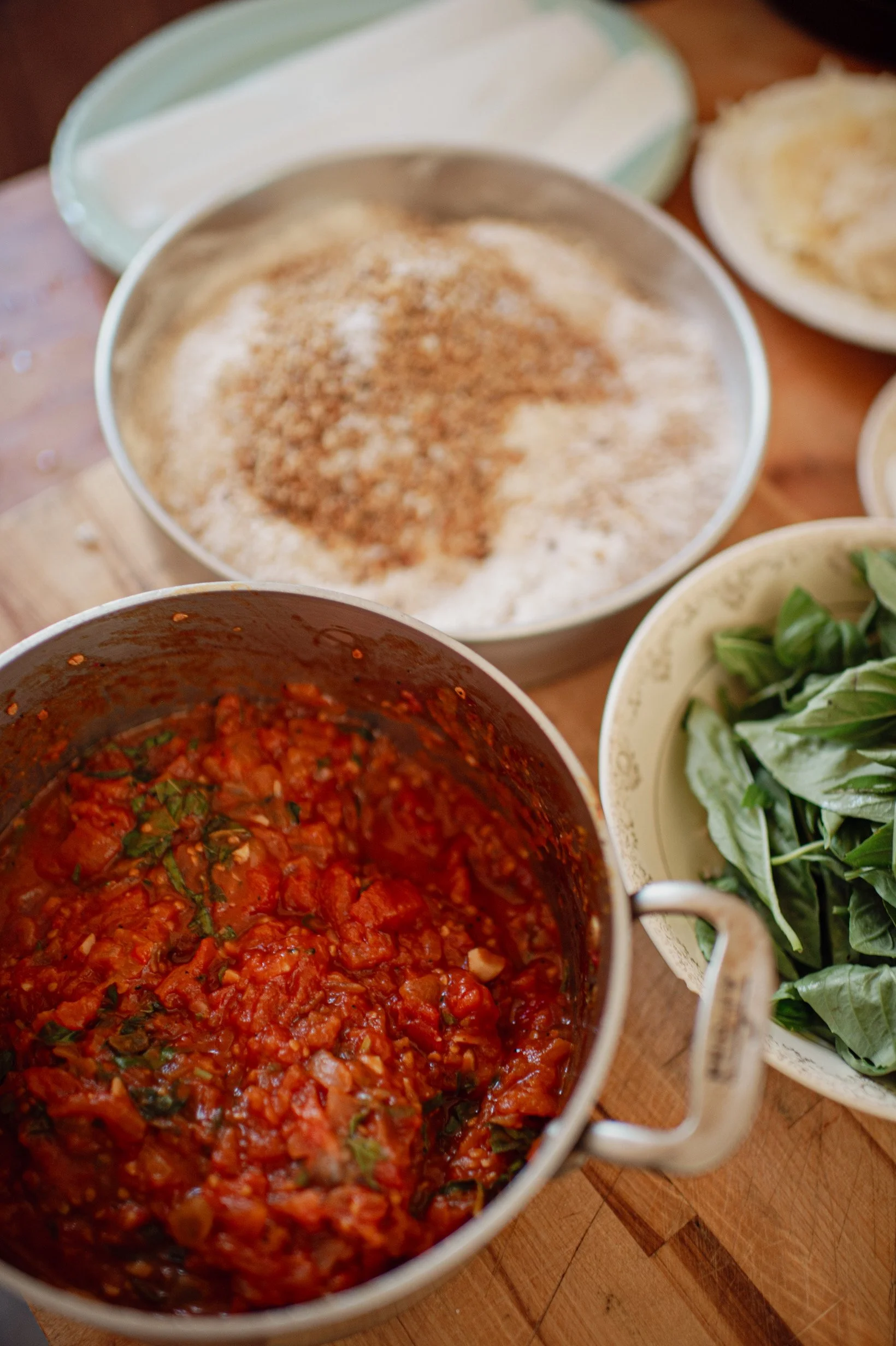
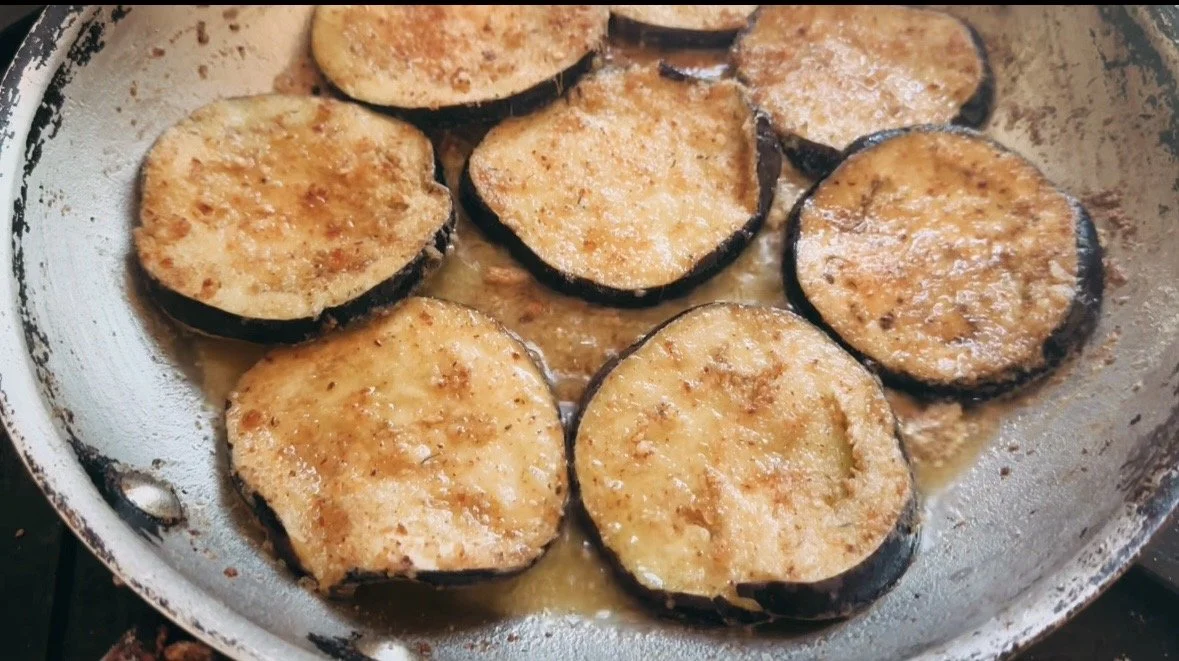
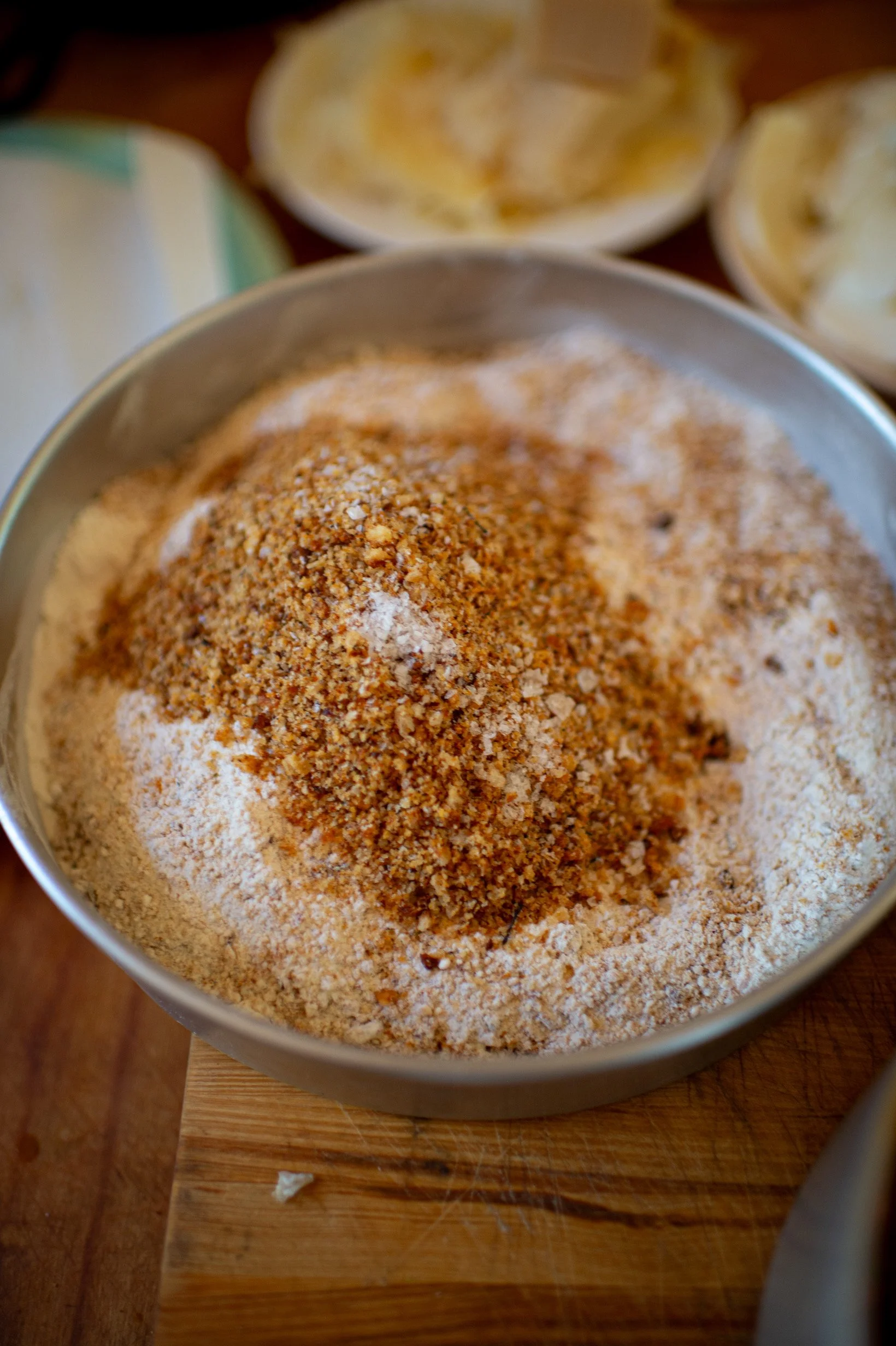
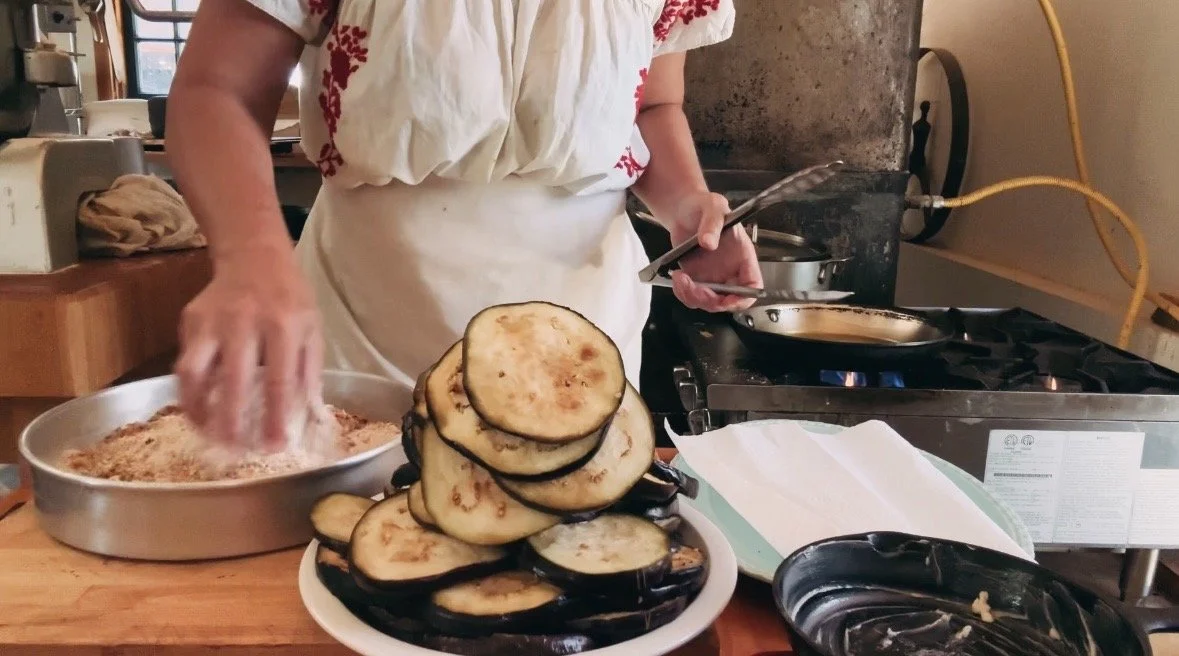
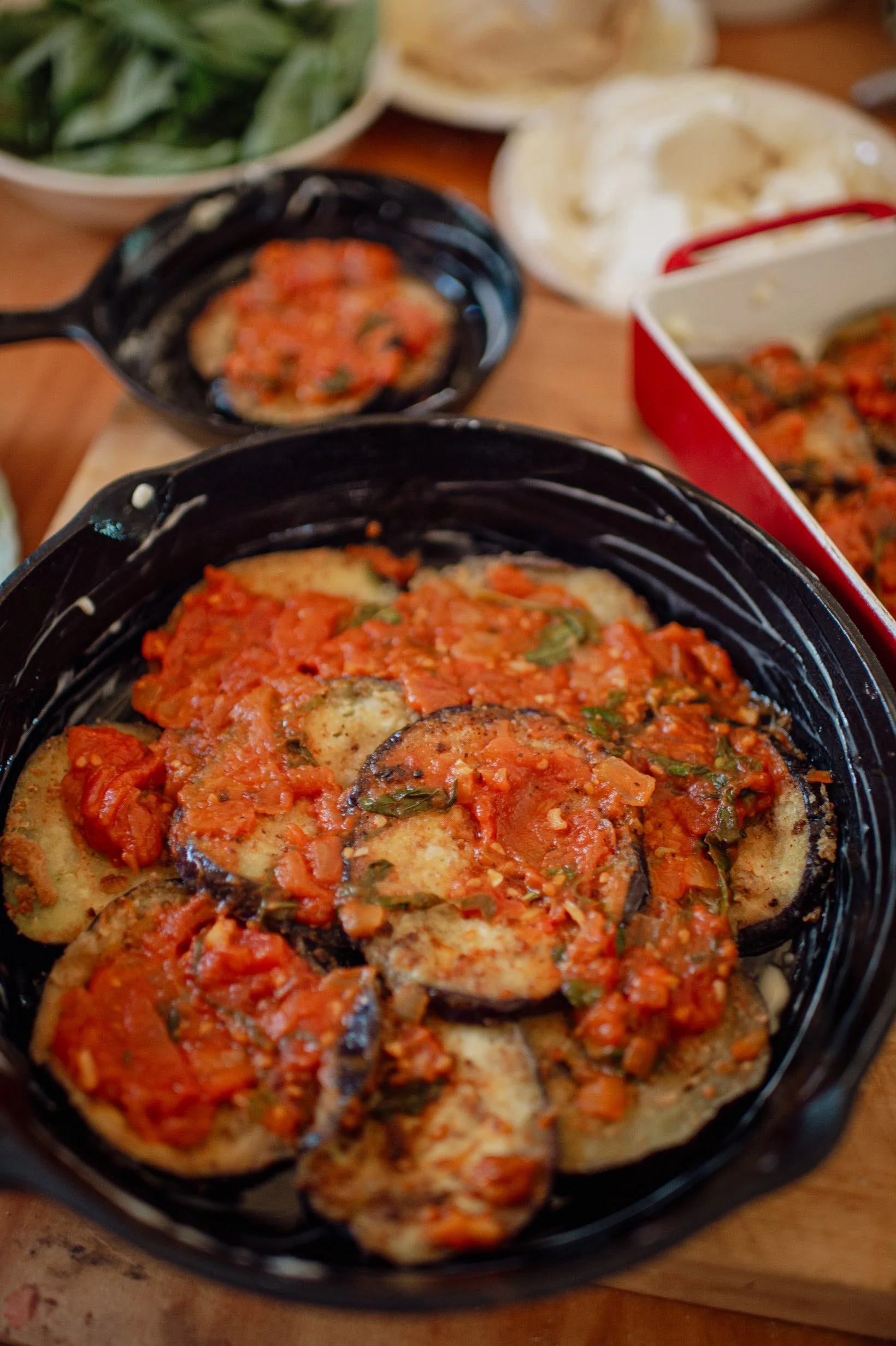
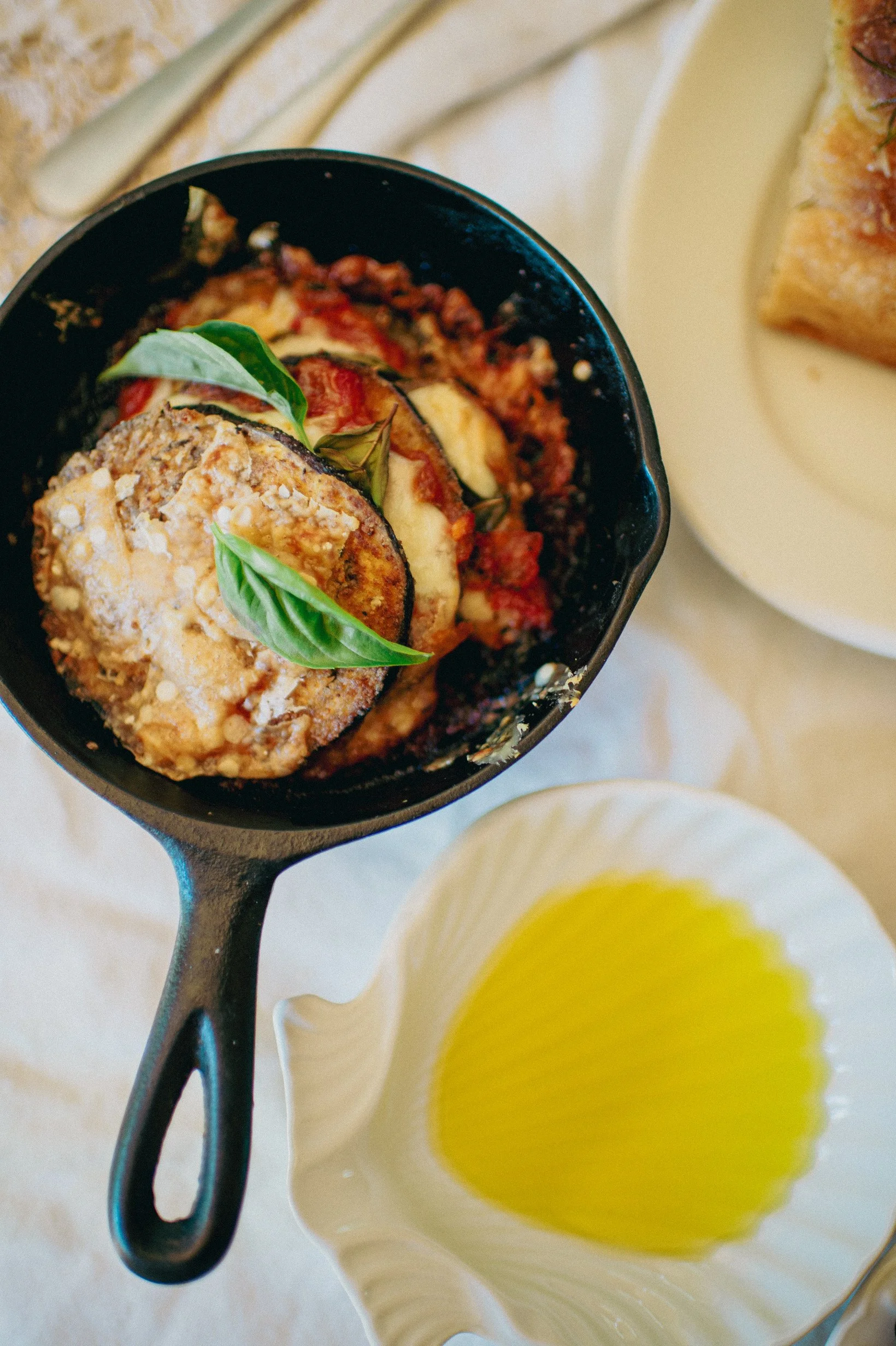
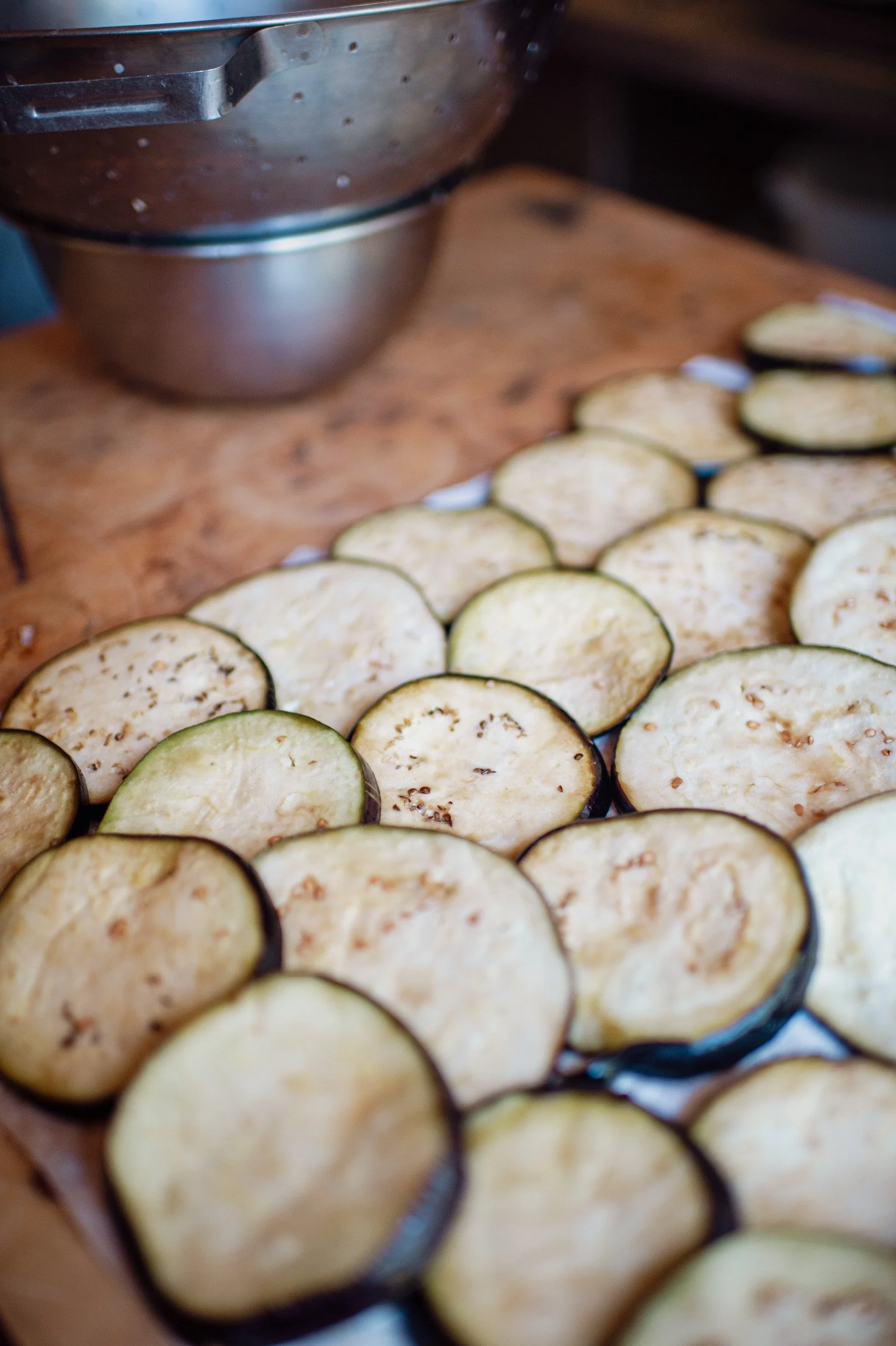
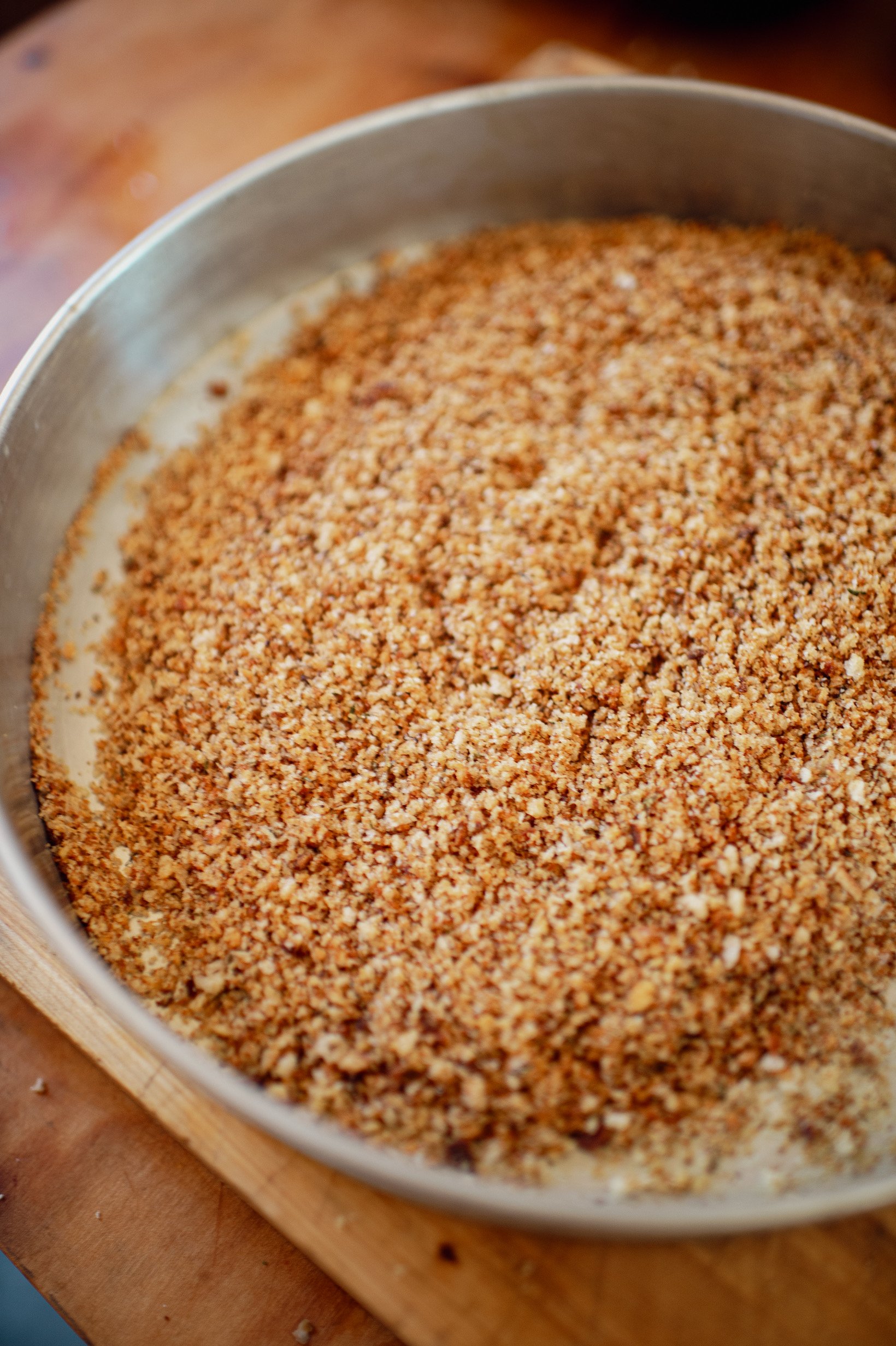
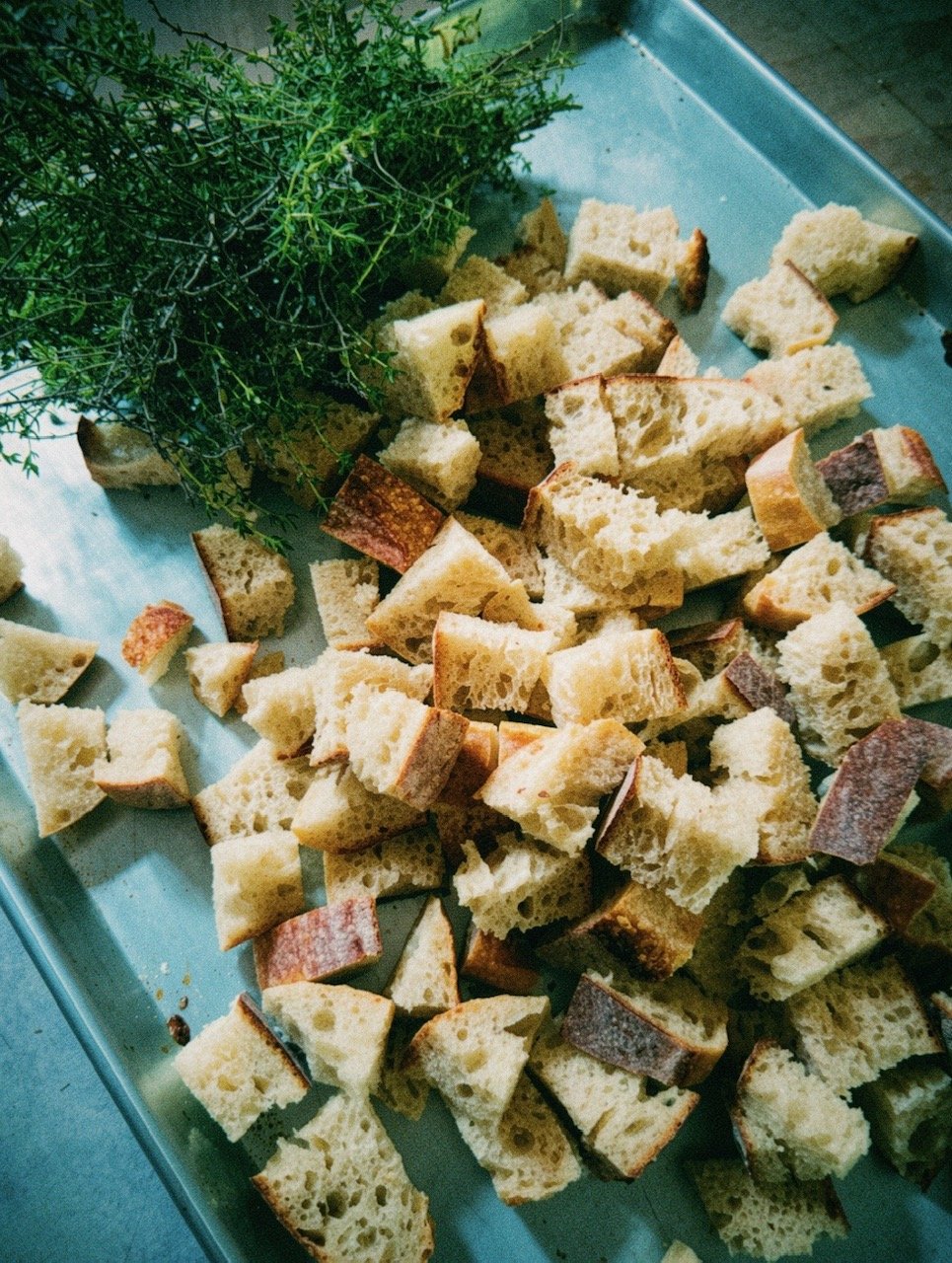
A few things need to be prepared before we can layer our eggplant parmesan. We need to make breadcrumbs, we need to salt and strain our eggplant and then we need to fry our eggplant.
We have made breadcrumbs before. You can find a reminder tutorial on the In Like a Lion, Out Like a Lamb Meatball page. If you scroll down the page it will be below the recipe for the lamb meatballs. Good luck.
2. Salting your eggplant: You will need roughly 3 pounds of eggplant. Eggplant is full of water. Before frying it we want to make sure we drain as much liquid from the eggplant as we can. To do this, slice you eggplant into rounds. Lay them out in a large colander, over the sink or on top of a bowl, and generously sprinkle with salt. Cover both sides of the eggplant slices. Leave to sit for 20 minutes or so. Once you have noticed a significant amount of liquid lost you can dry off the eggplant with paper towel. They are ready to fry.
3. To fry you eggplant prepare a frying pan with olive oil. In a shallow dish, mix some flour with the bread crumbs. Coat each slice of eggplant in the breadcrumb flour mixture. Then fry in the hot oil until browned on both sides. Remove to a piece of paper towel to drain off the remaining oil.
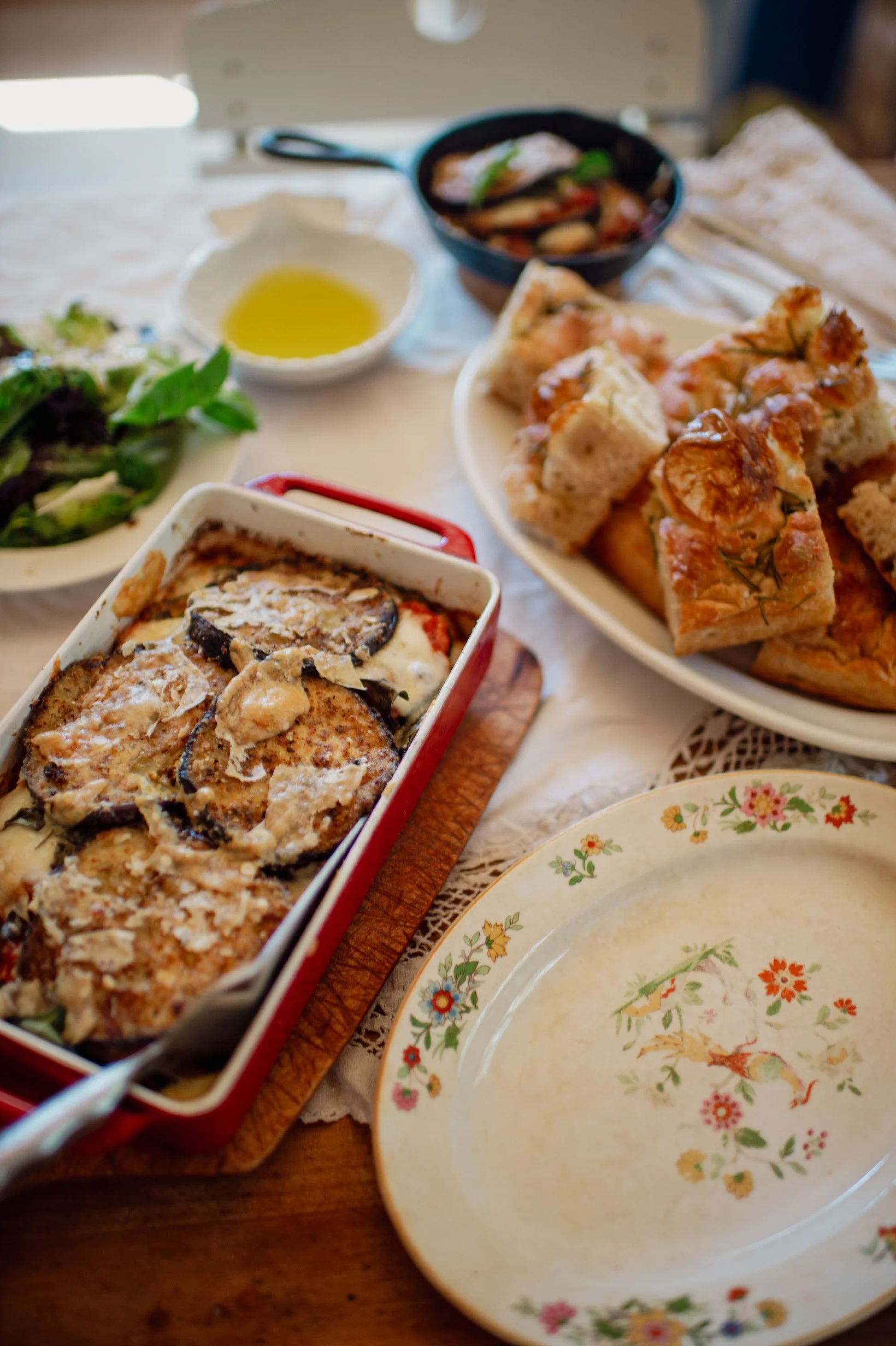
Now it is time to layer your eggplant parmesan. In a buttered dish you are going to start by laying out your first layer of fried eggplant. Then spoon some of your freshly made tomato sauce ontop of the eggplant. Followed by a layer of thinly sliced mozzarella and then grated parmesan cheese. Finally, spread a handful of basil leaves on top. Then layer it all again a second time. Once you have gone through to rounds you will top off the parmesan with a final layer of eggplant and some parmesan cheese.
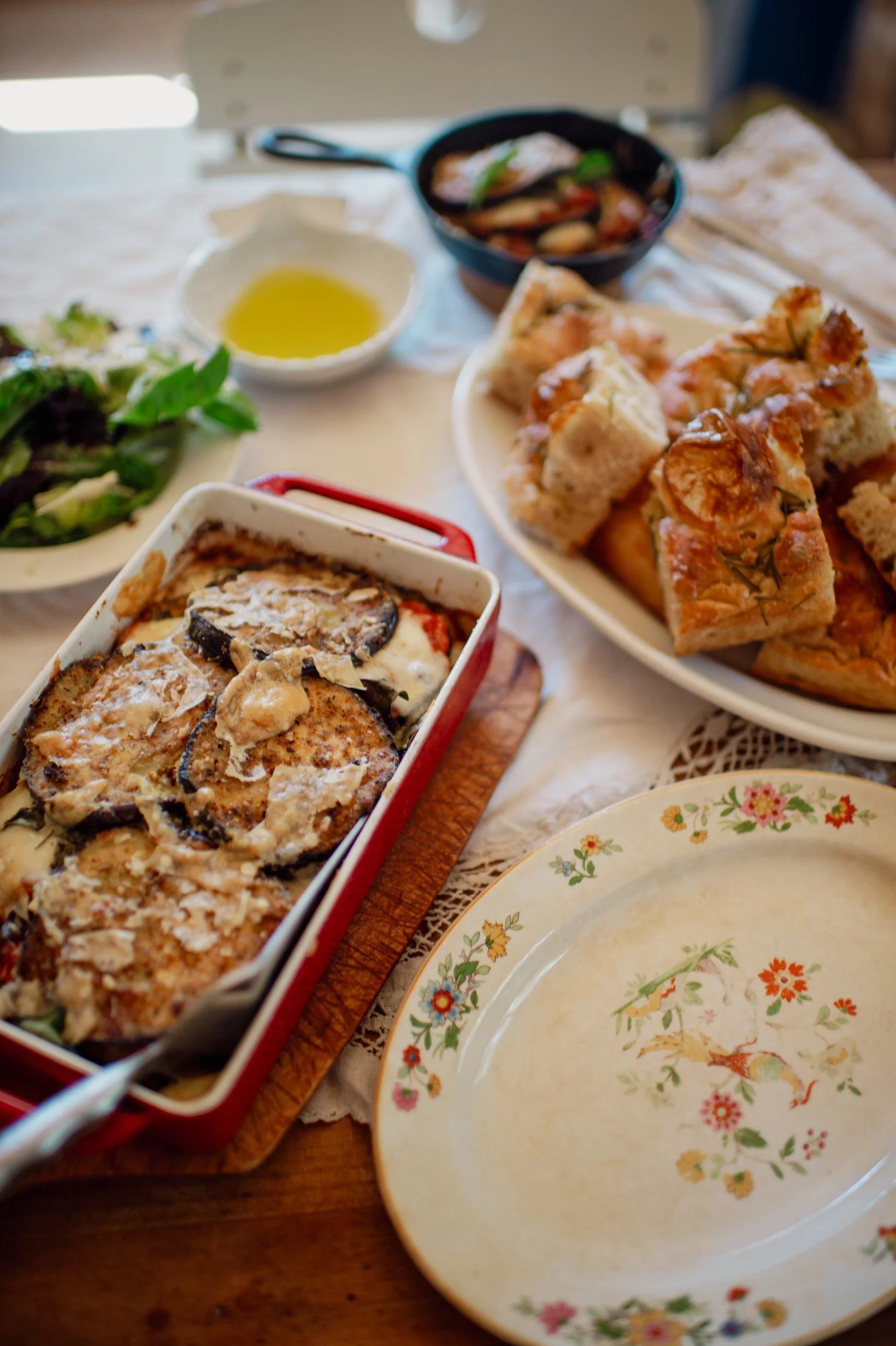
Place in a 400 degree F preheated oven and cook for 30 minutes or so until it is juicy and bubbly.
FOLLOW THE BELOW VIDEO TUTORIAL FOR COMPLETE LAYERING EXAMPLE
herb garden focaccia
〰️
herb garden focaccia 〰️
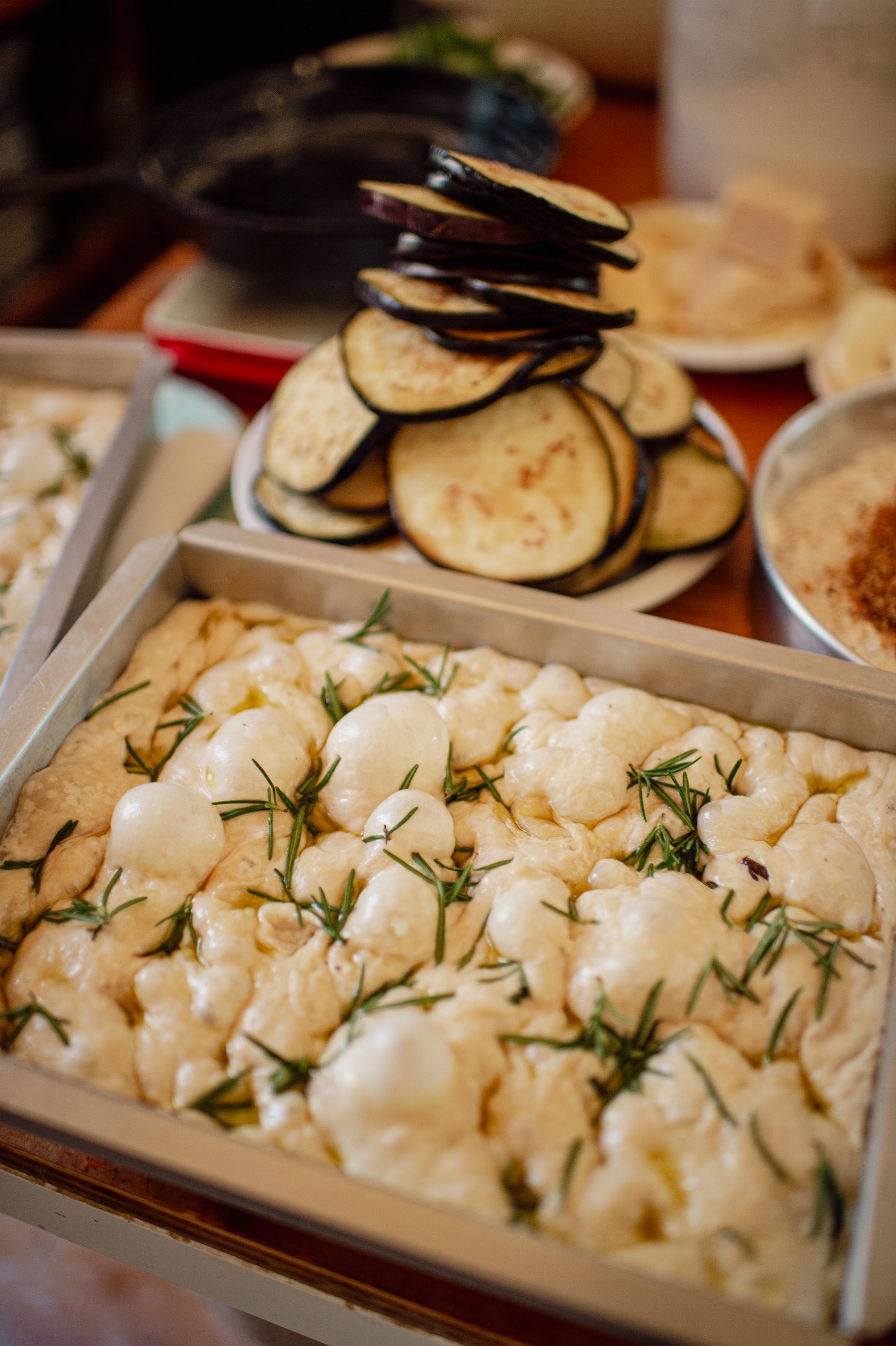
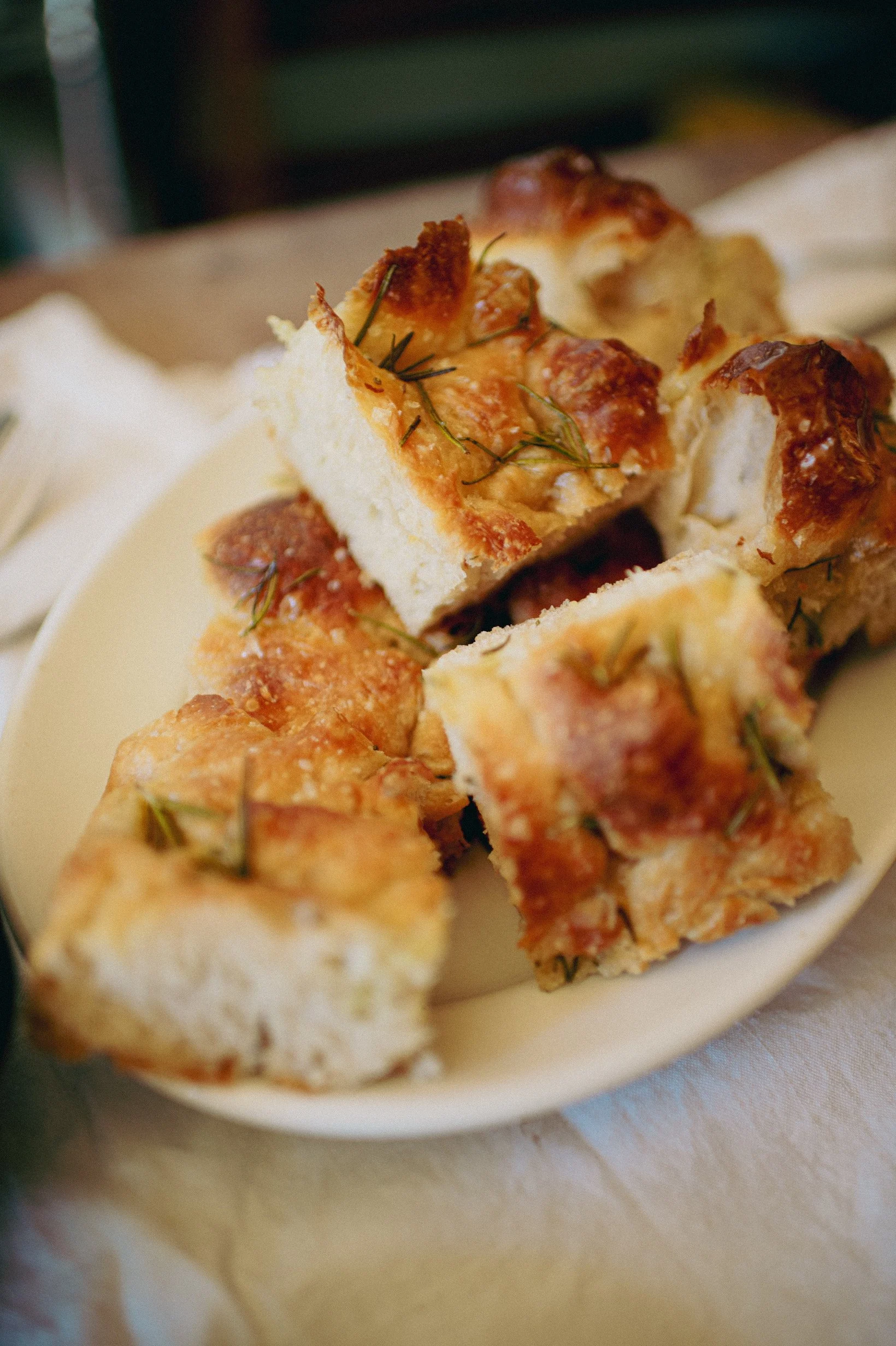
Panis Focacius, meaning “hearth bread” or “fireplace bread”. Focaccia was originally baked on hot stones or under the ashes of fireplaces hence the name. The early versions were often unleavened, being made with just flour, water, salt and olive oil. These roots can be traced back to the Etruscans, over 2000 years ago, in ancient Italy. With the expansion of the Roman Empire, the formula for this flatbread spread and variations of the recipe could be found all over Europe. Within Italy today, there are many areas that have created distinct forms and flavors for their focaccia, becoming known regionally for their unique take on the ancient fireplace bread.
I have tried focaccia many times but have never been completely happy with the results. It has always been dense and heavier than I imagine it to be. I equate this to my use of sourdough in my formula. Perhaps my lazy attempt to run a country sourdough wet and with a lot of olive oil and pretend it is focaccia. Well, it is not.
The recipe below is more tried and true of the fluffy white focaccia bread we all dream of. It is made with a quick yeast, but left to ferment over night, or at least for 12-14 hours before shaping. After it’s first shaping it then rests another few hours with turns in between before a final proof and into the oven. All throughout this process, one thing remains of utmost importance and that is the olive oil. I used a lot. I recommend getting a good one.
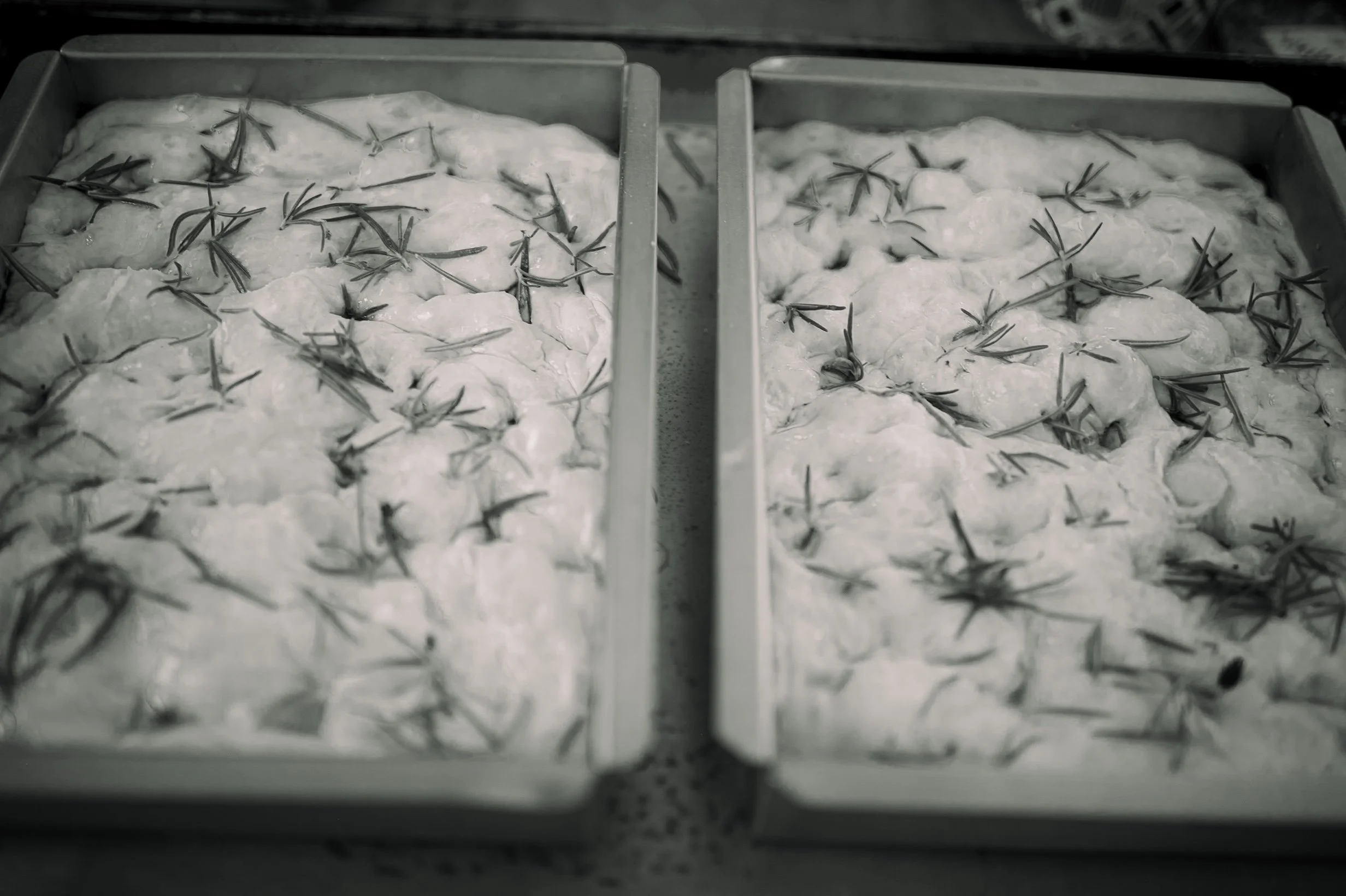
DAY 1: MIX THE DOUGH: THIS WILL MAKE TWO TRAYS WORTH OF FOCACCIA
4 cups of bread flour, 1/4 teaspoon yeast, 2 teaspoon salt, 4 teaspoons olive oil, 1 2/3 cup water
Mix the ingredients together in a large bowl. Knead until completely incorporated, roughly ten minutes. Clean out bowl, drizzle with olive oil and place the dough inside. Cover with plastic and let rest 12-14 hours.
DAY 2: SHAPE, TURN AND PROOF THE DOUGH: BAKE
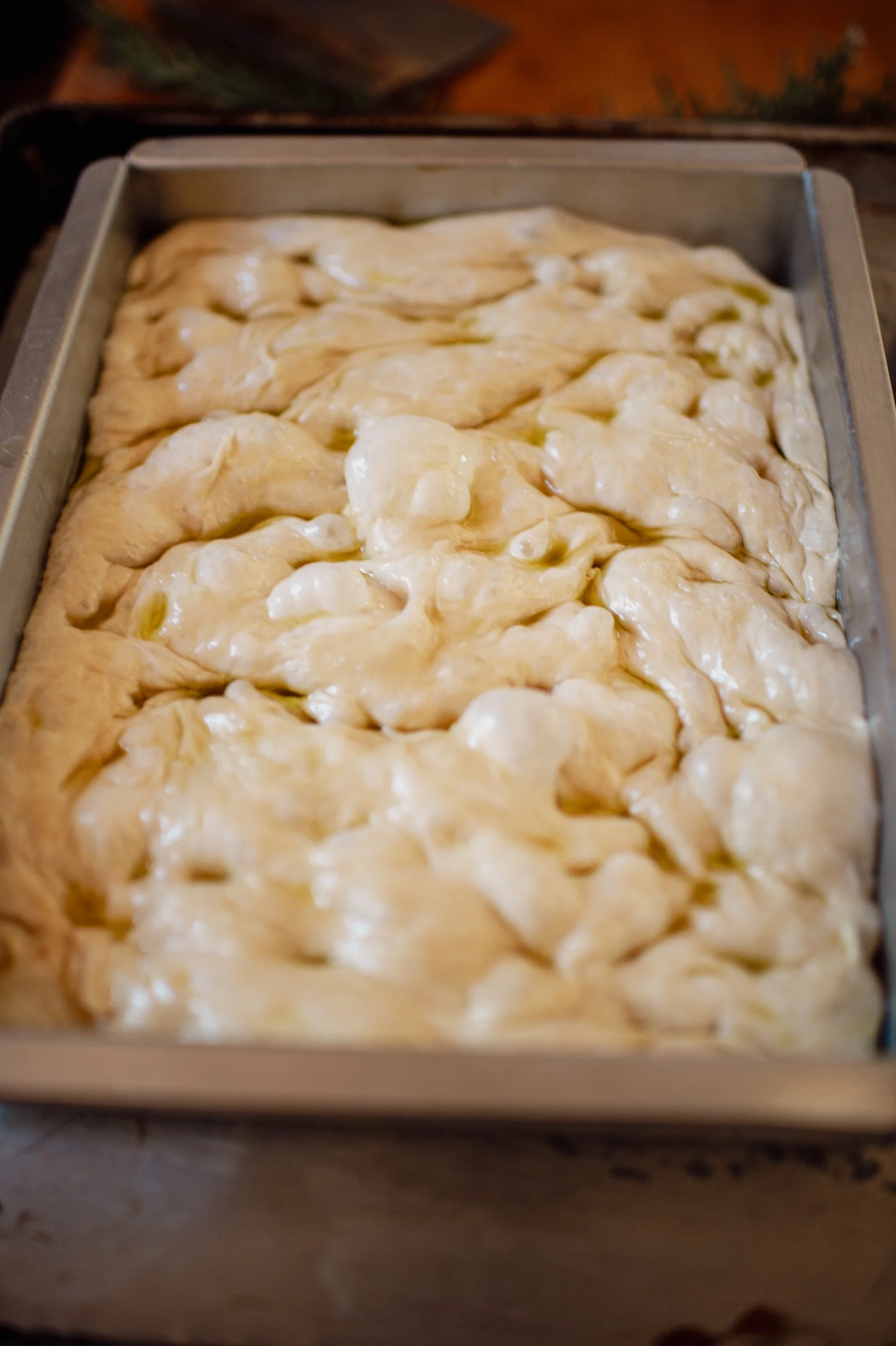
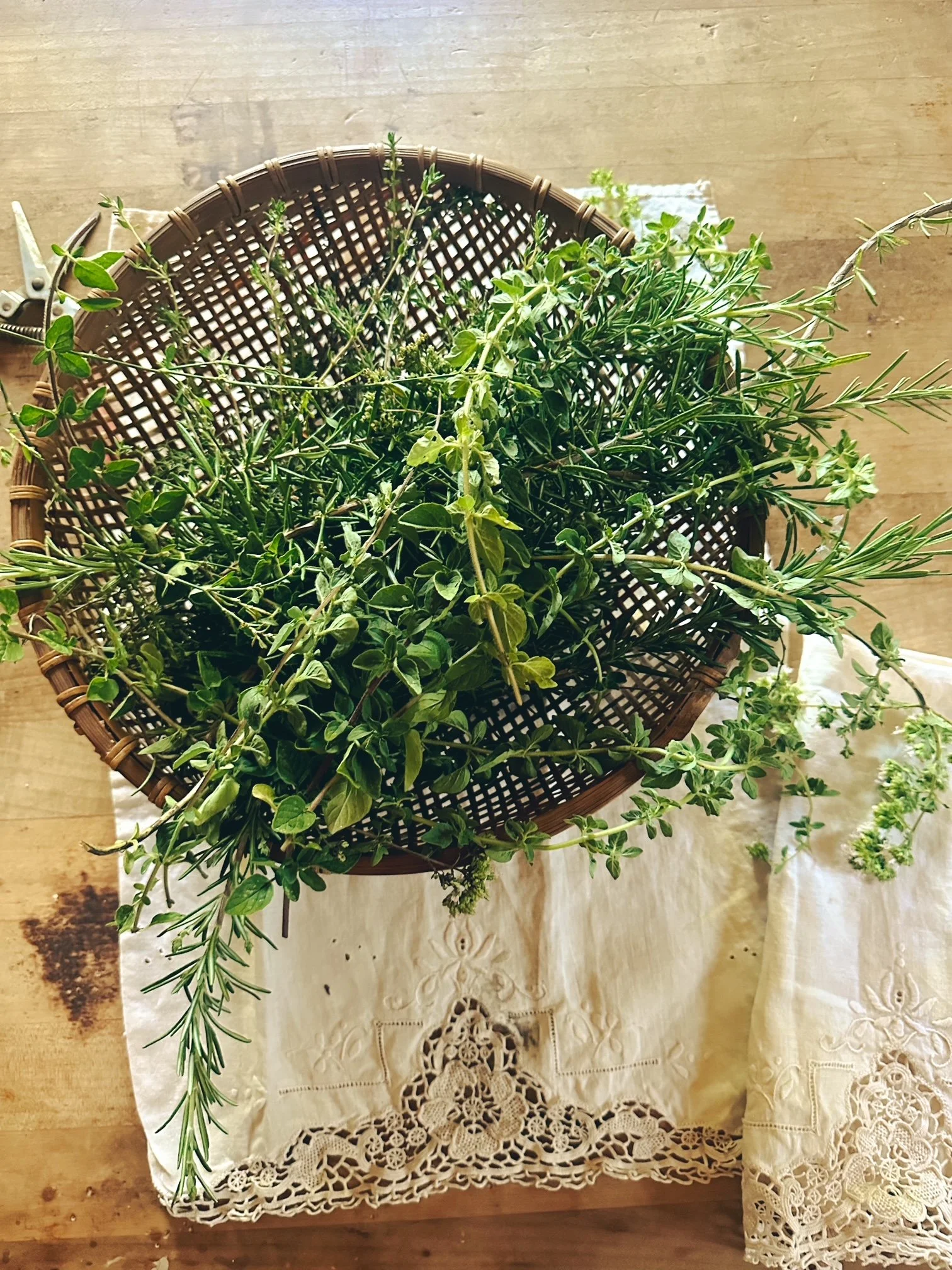
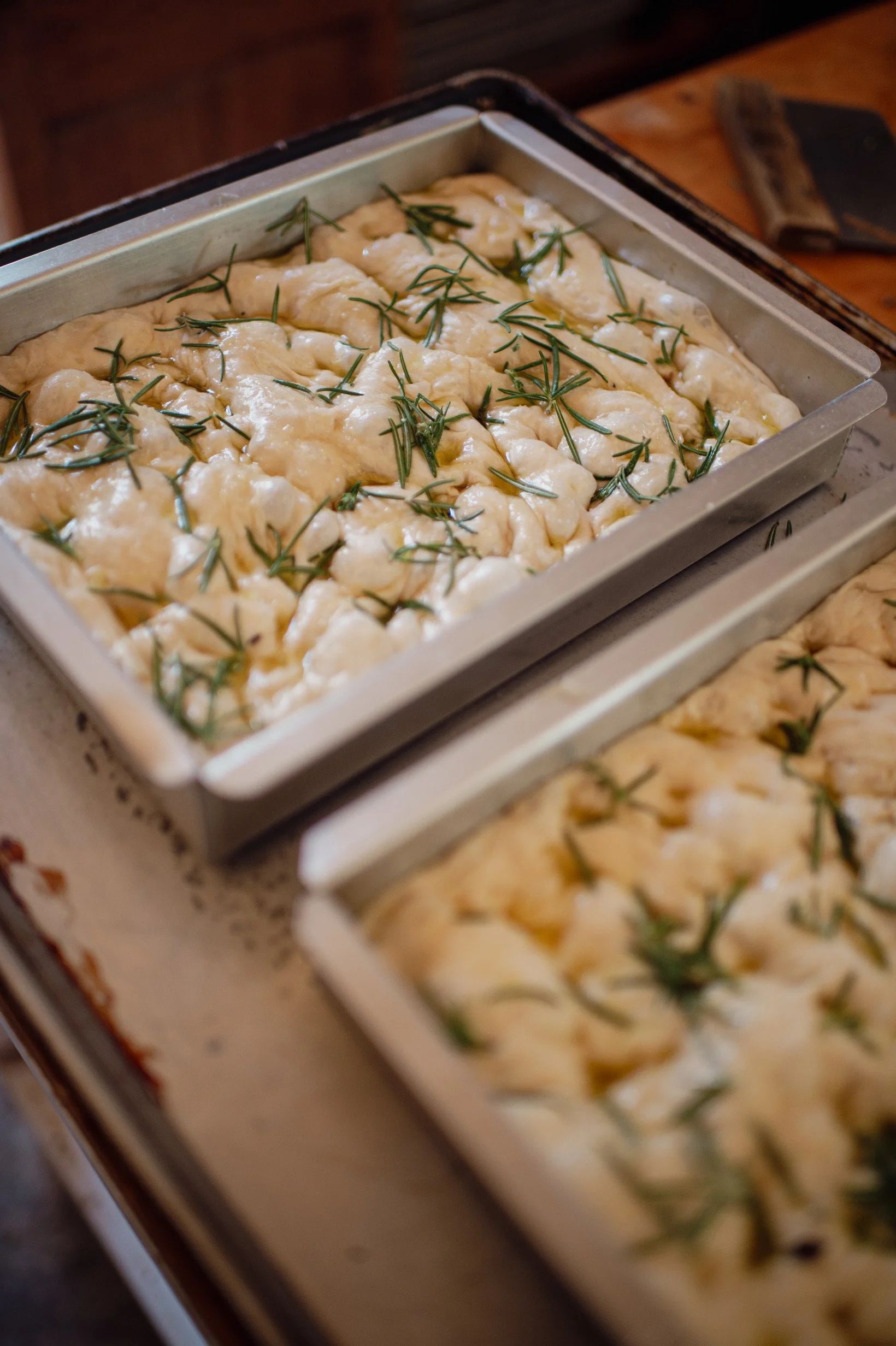
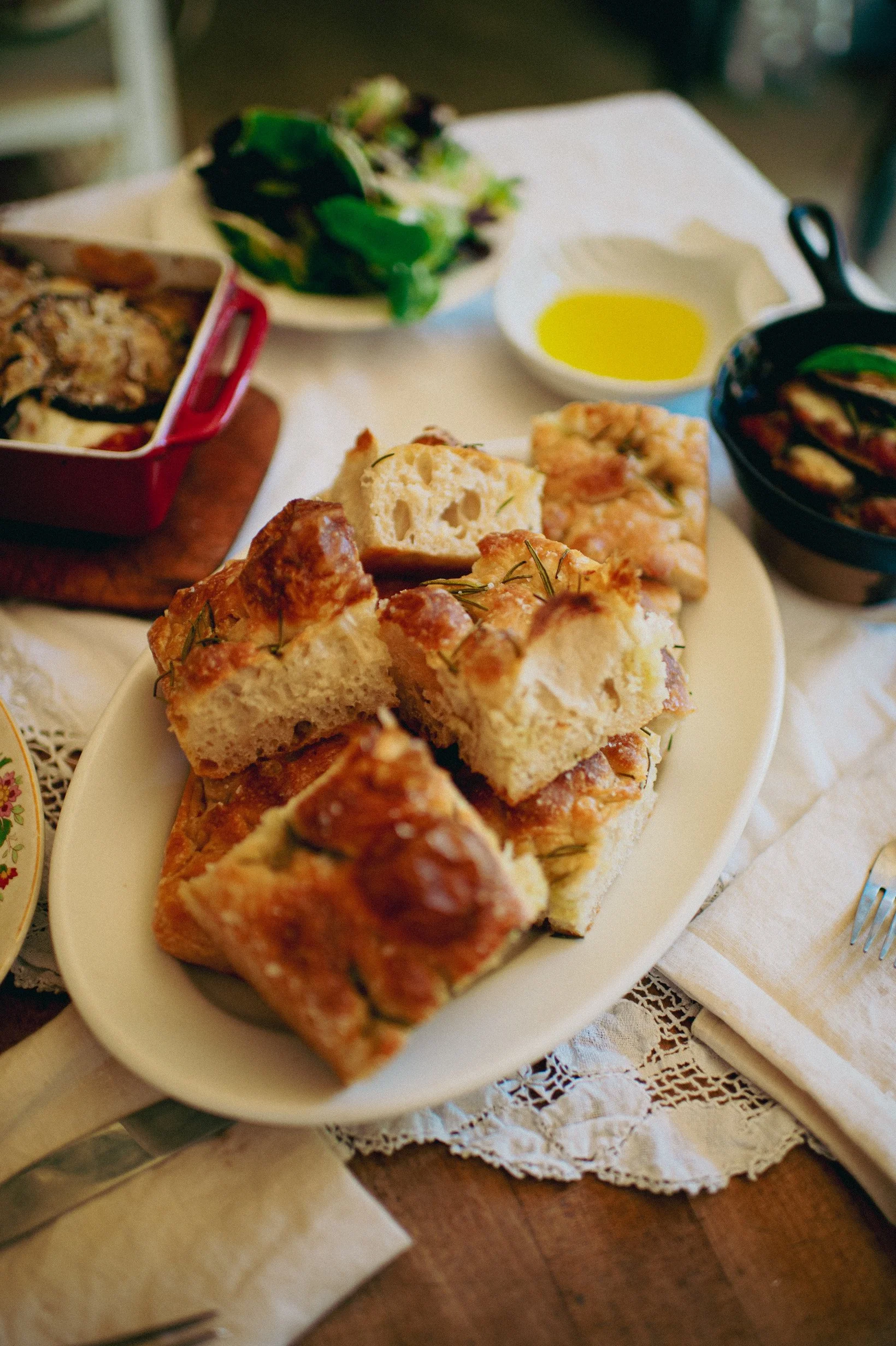
Turn the dough from the bowl onto an oiled table surface. Cut the dough into 2 equal pieces. Stretch each piece into a rectangle and letter fold it onto itself. Place, seam side down, on an oiled deep set baking sheet. Drizzle some oil over the dough, cover and let rest for 1 hour. After one hour, gently press the dough out again but in the sheet this time and letter fold it again over itself. This is fold number two. Let rest for another hour. Do it once again for a third time. The dough should be generously proofed by this point. Cover and let rest another 2 hours. Before baking, drizzle with olive oil. Use your fingers to poke gentle holes throughout the dough. Spread a generous flourish of rosemary leaves over the top of the dough and sprinkle with coarse sea salt. Bake in an oven at 425 degree F for about 30 minutes. It will be golden and glistening.
pistachio ice cream
〰️
pistachio ice cream 〰️
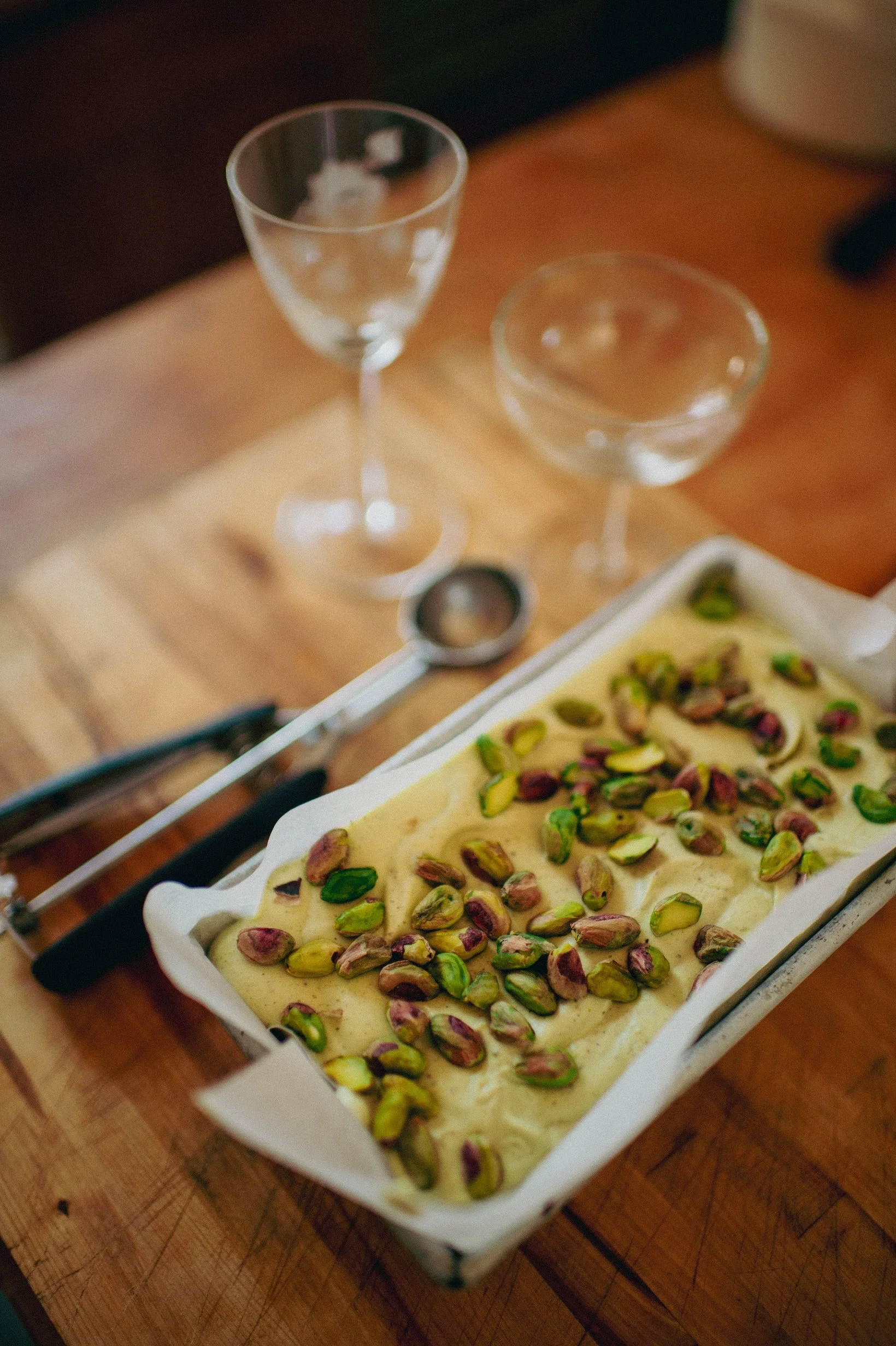
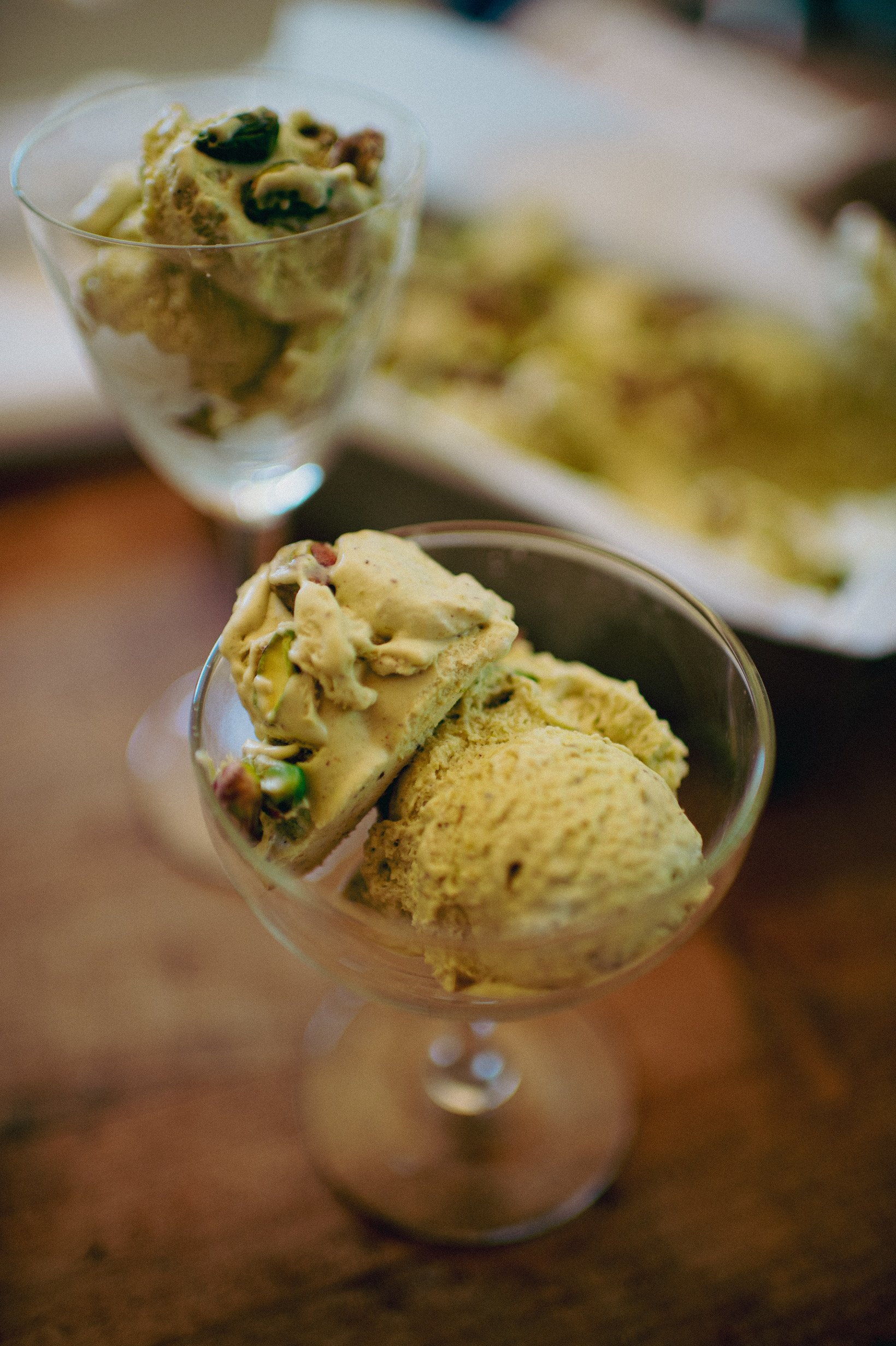
This ice cream is for you if you are looking for something quick and easy. It is a no churn ice cream recipe that yields an incredibly creamy frozen treat that will be ready in a little over four hours.
INGREDIENTS:
1 cup lightly salted pistachios, 2 cups heavy cream, 1 (14 ounce can) of sweetened condensed milk, q teaspoon vanilla, extra pistachios for topping
PROCESS:
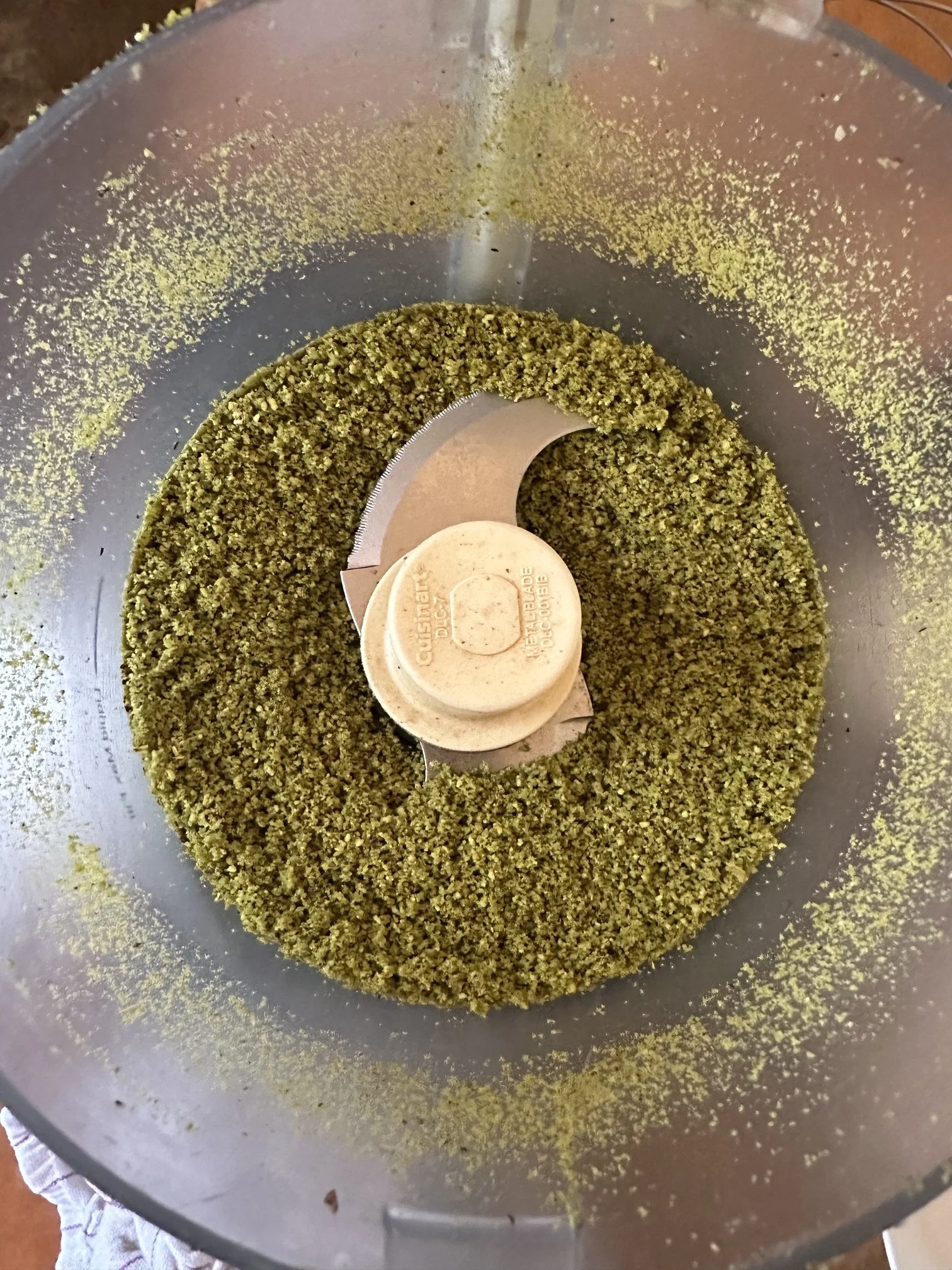
Blitz the 1 cup of pistachios in the food processor until broken down into a paste. This takes a little time. The oils will eventually separate and smooth out the paste. Transfer to a bowl once it is ready.
Place mixer bowl in the freezer to chill back before whipping your cream. Once it is chill, whip 2 cups of heavy whipping cream until the cream holds stiff peaks.
Add the can of sweetened condensed milk to the pistachio paste and blend together well.
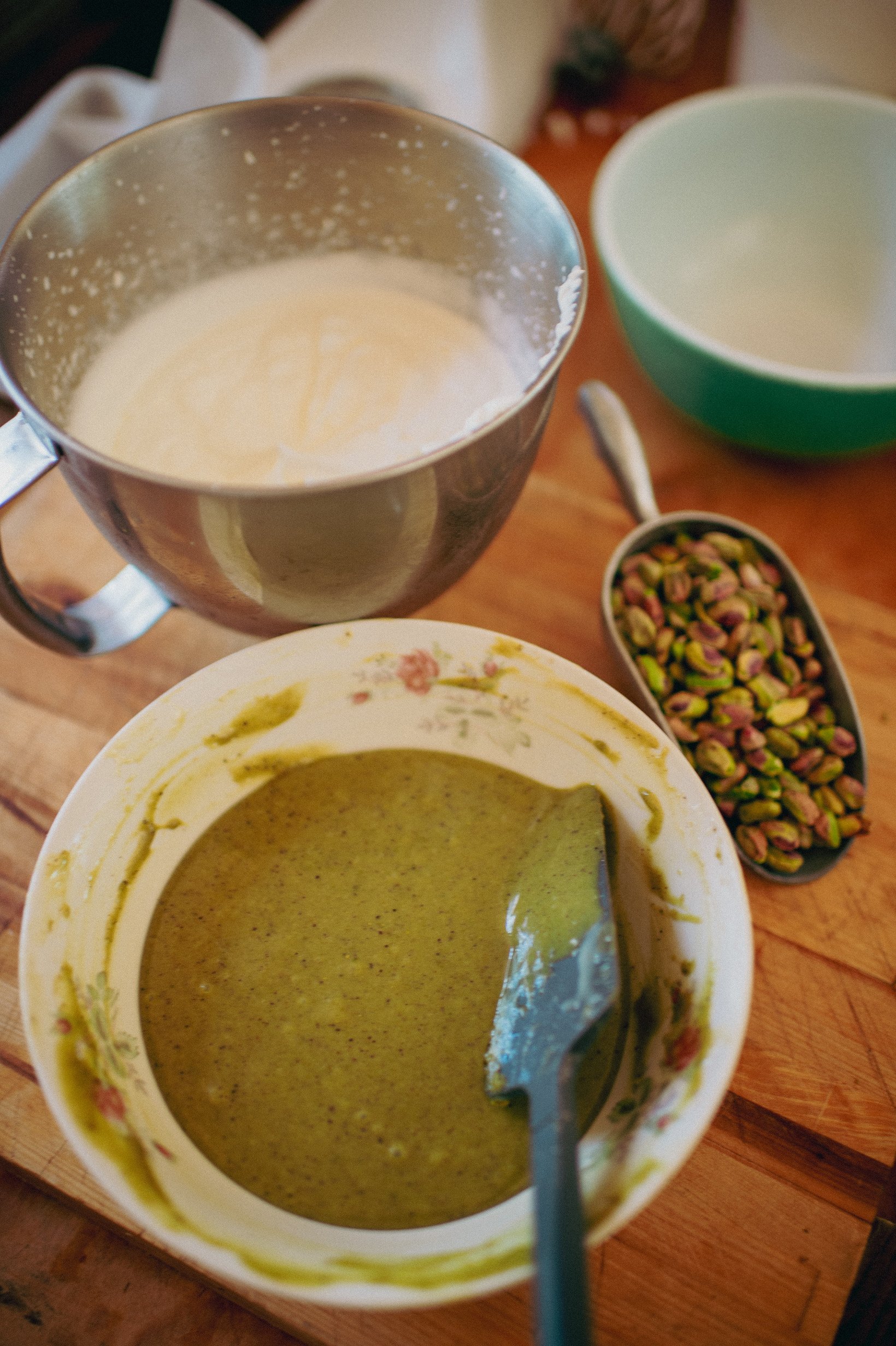
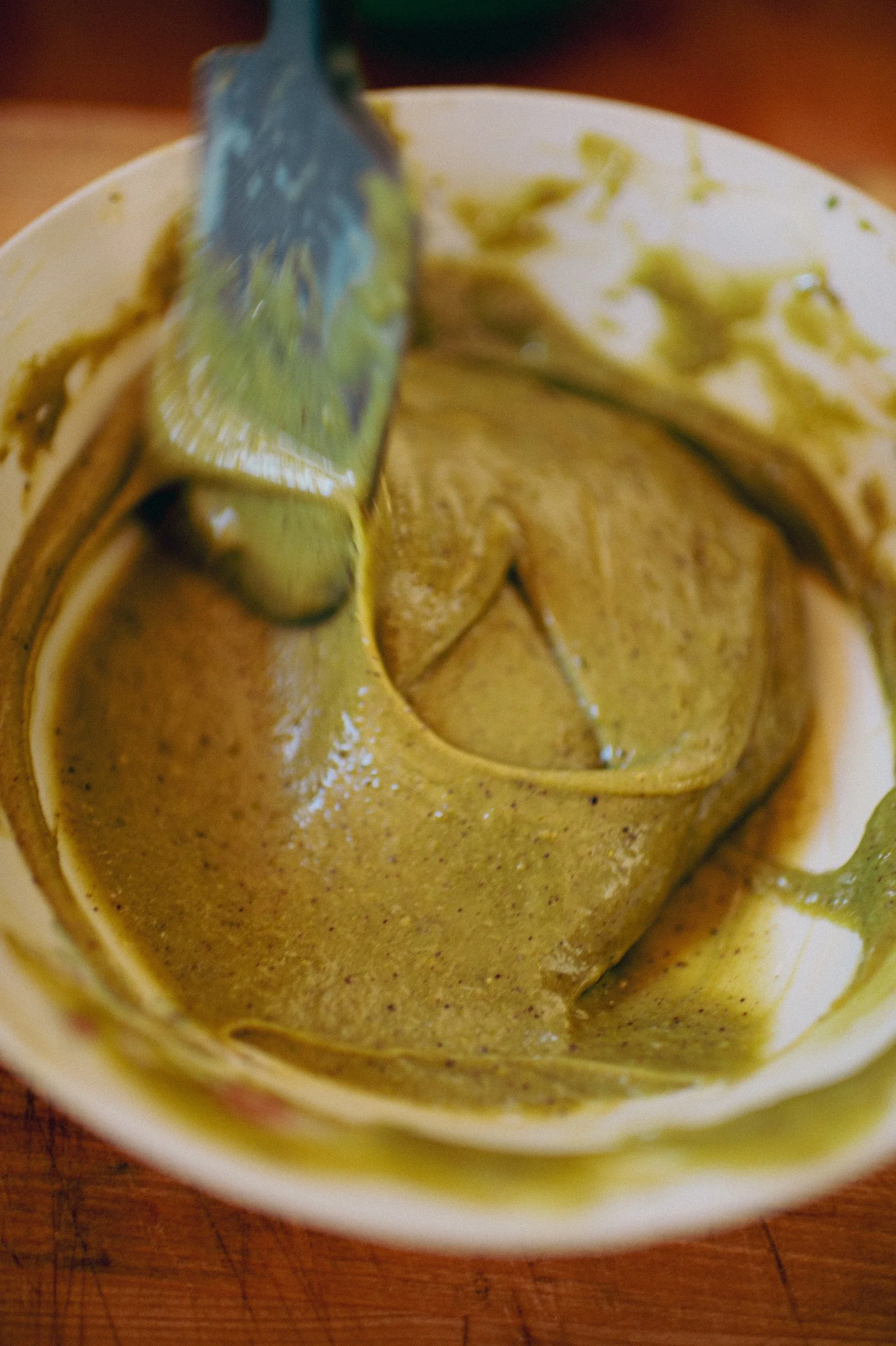
4. Combine the whipped cream and the pistachio paste and fold together gently.
5. Fill a parchment lined loaf pan with the pistachio cream and sprinkle with pistachios.
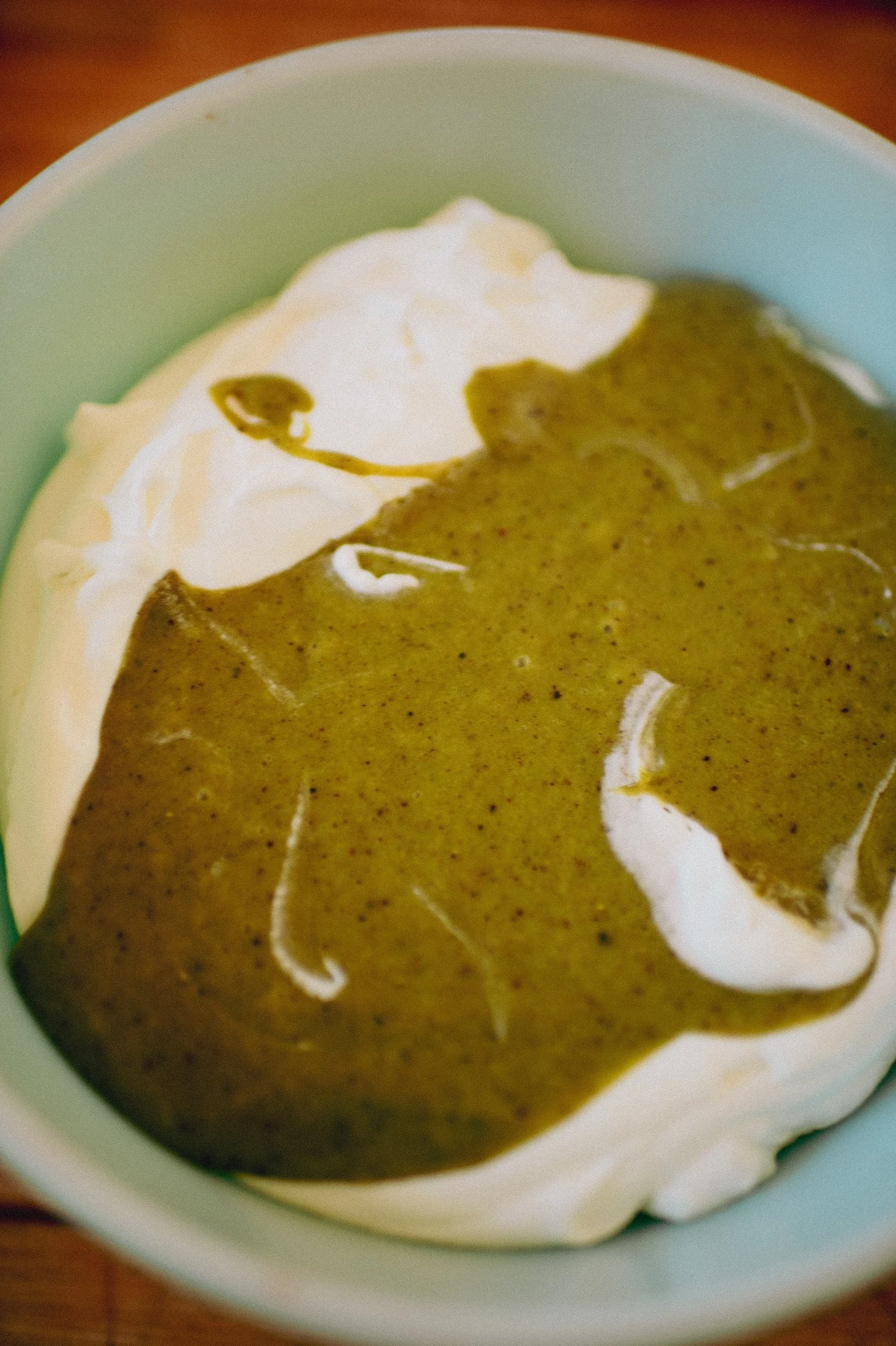
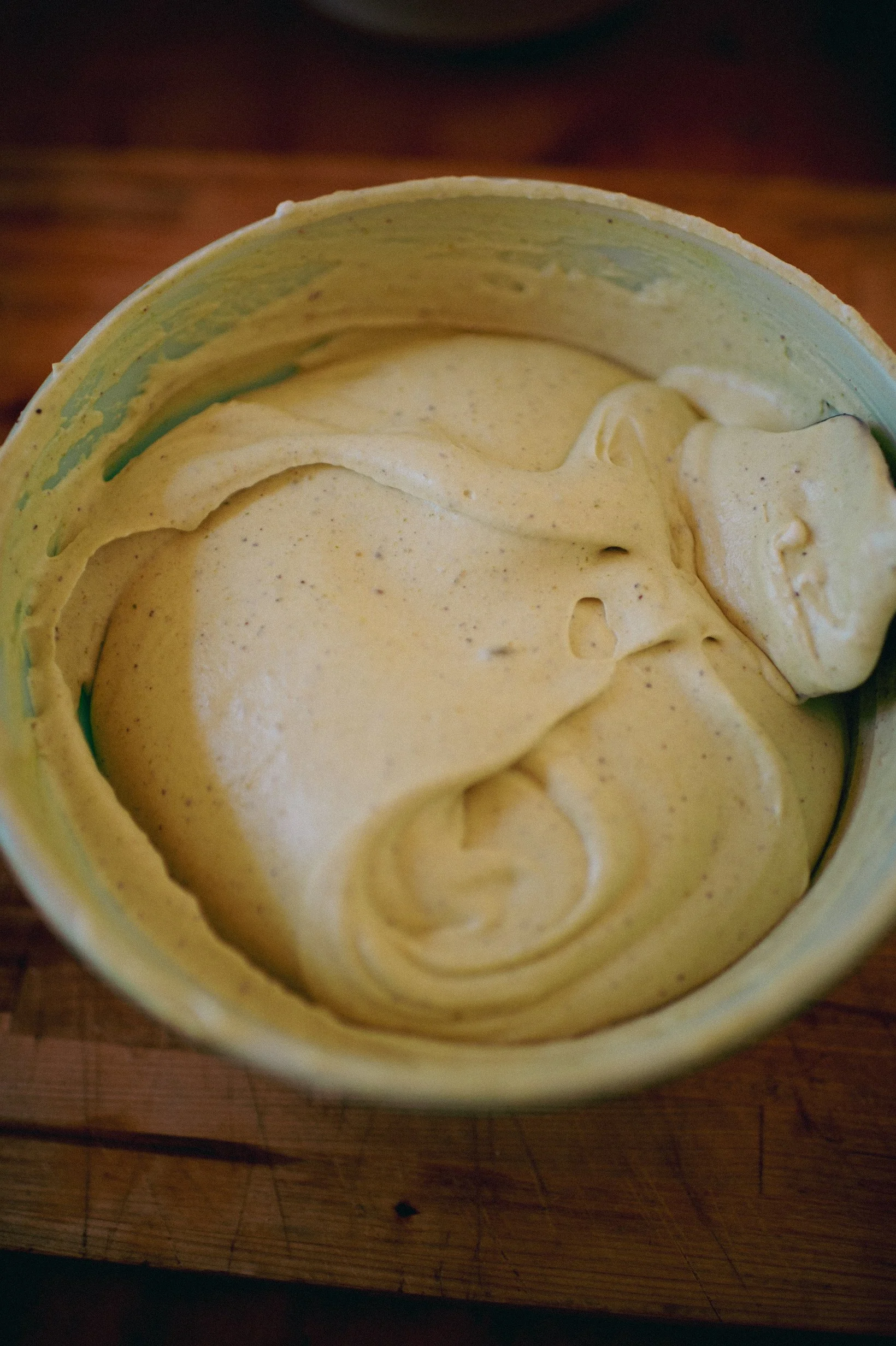
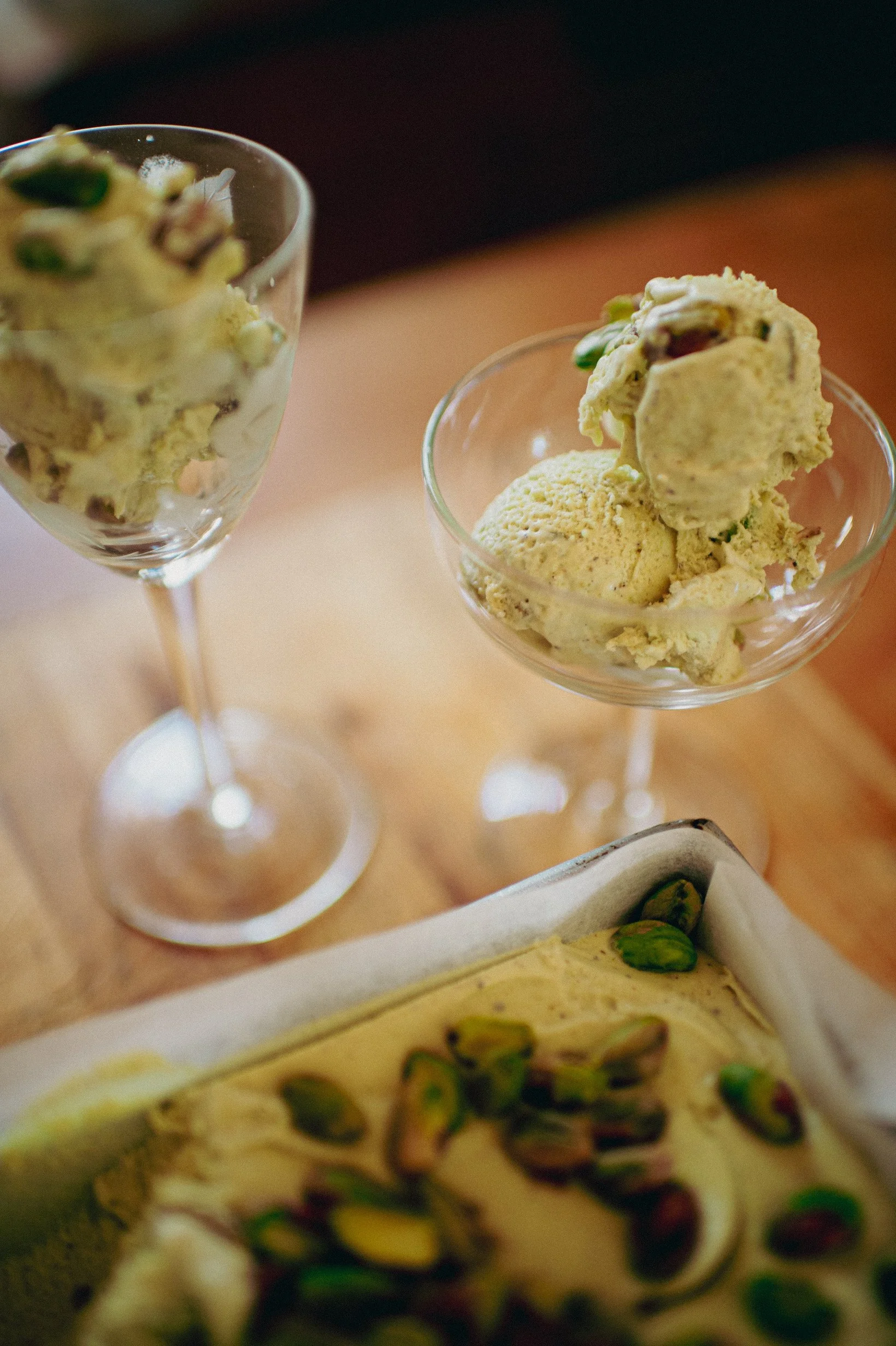
Freeze for at least 4 hours or until ready to enjoy!
* it was brought to my attention that in the video tutorial I say evaporated milk instead of condensed milk. To be clear, the recipe calls for condensed milk.