SOURDOUGH ADD INS
Sourdough add ins
HOW TO MAKE NEW FLAVORS AND TEXTURES IN YOUR OTHERWISE BASIC SOURDOUGH LOAF: AND MY EXPLORATION WITH A WILD OJAI HILL SOURDOUGH
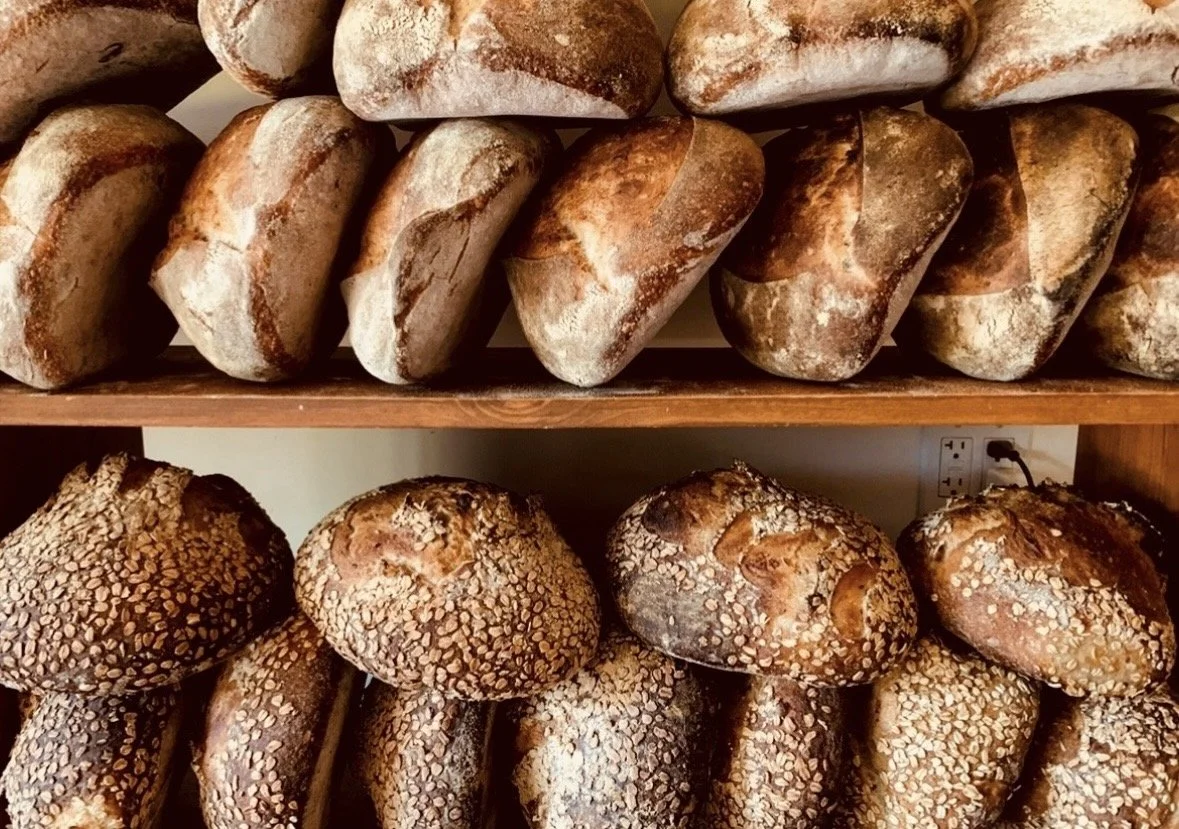
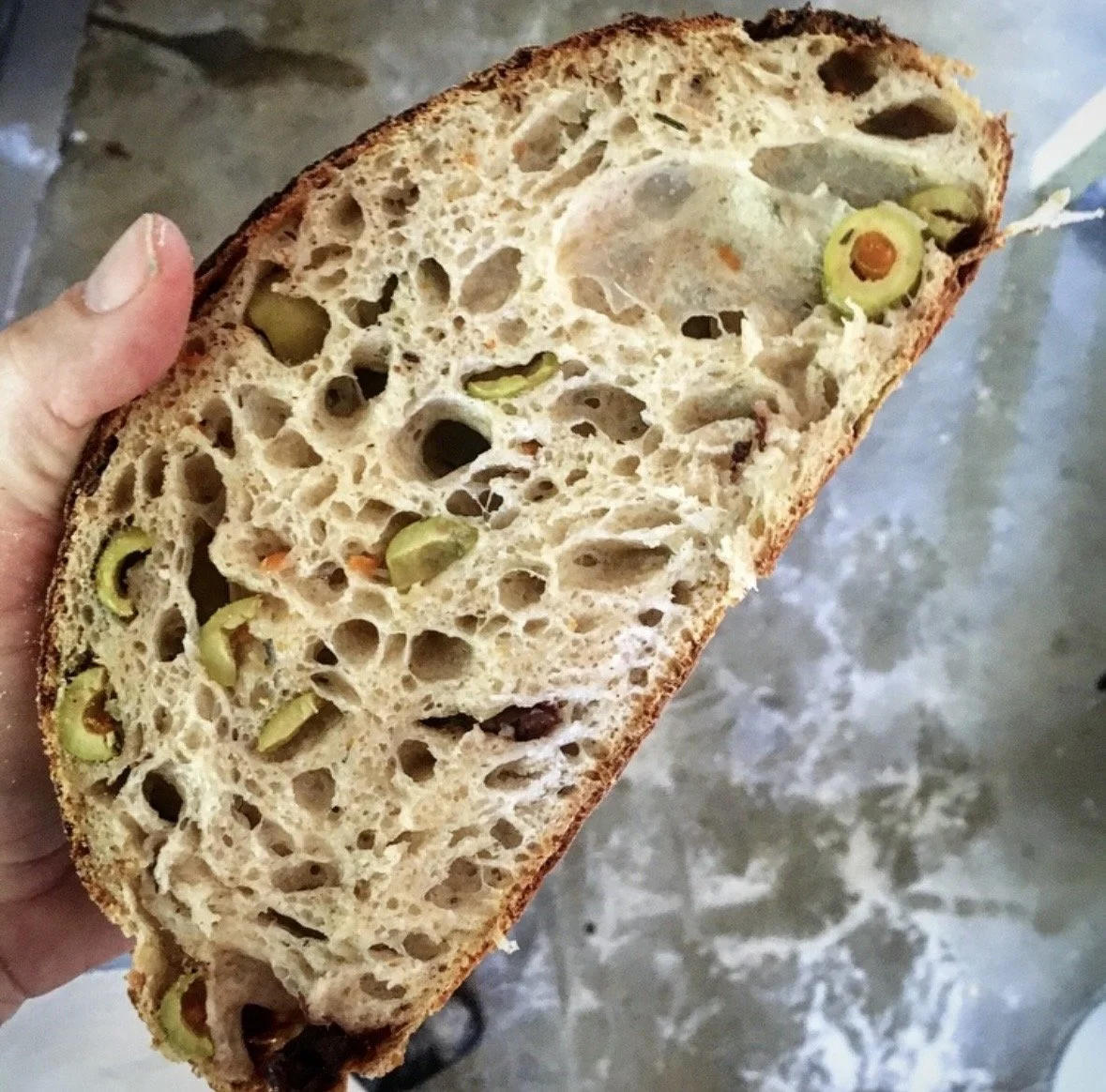
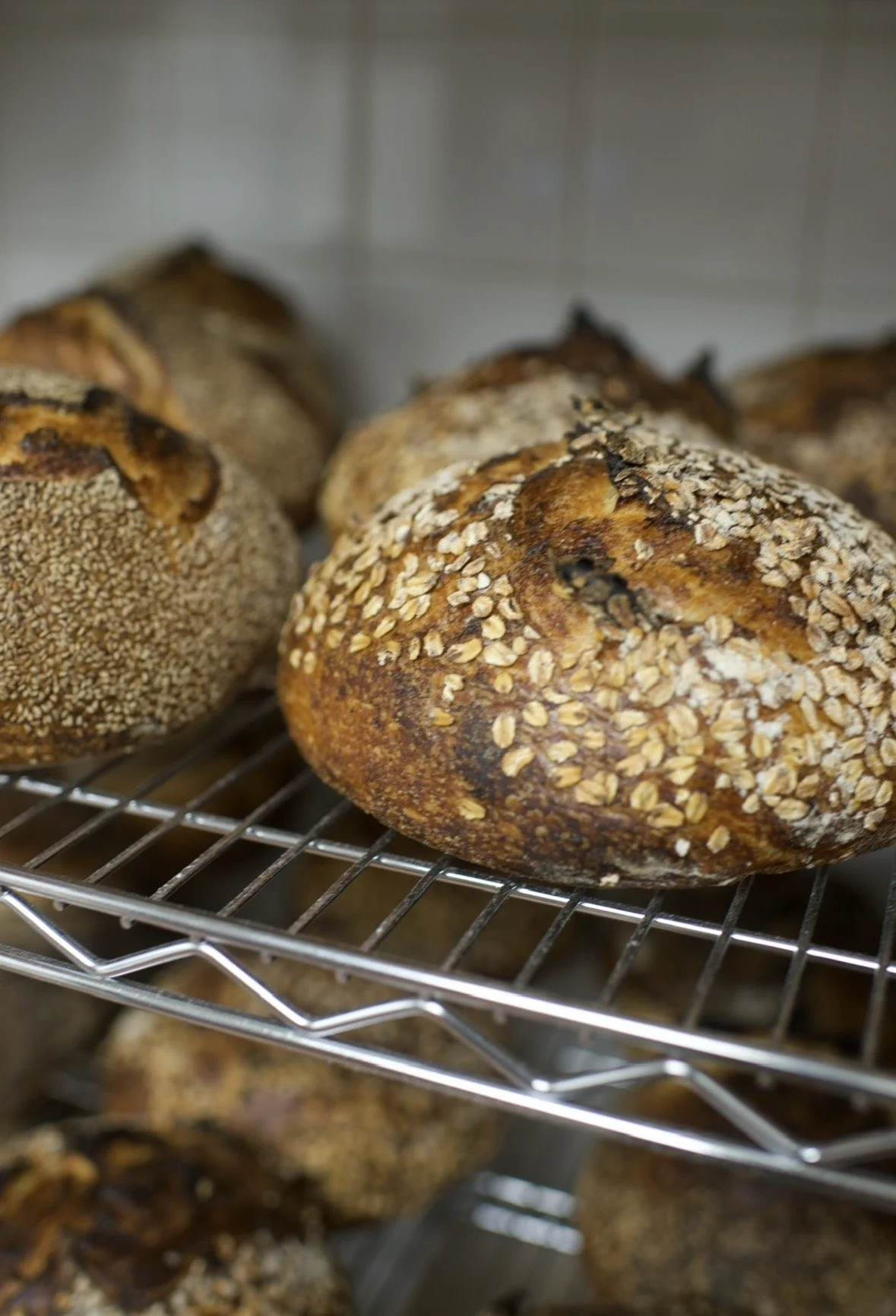
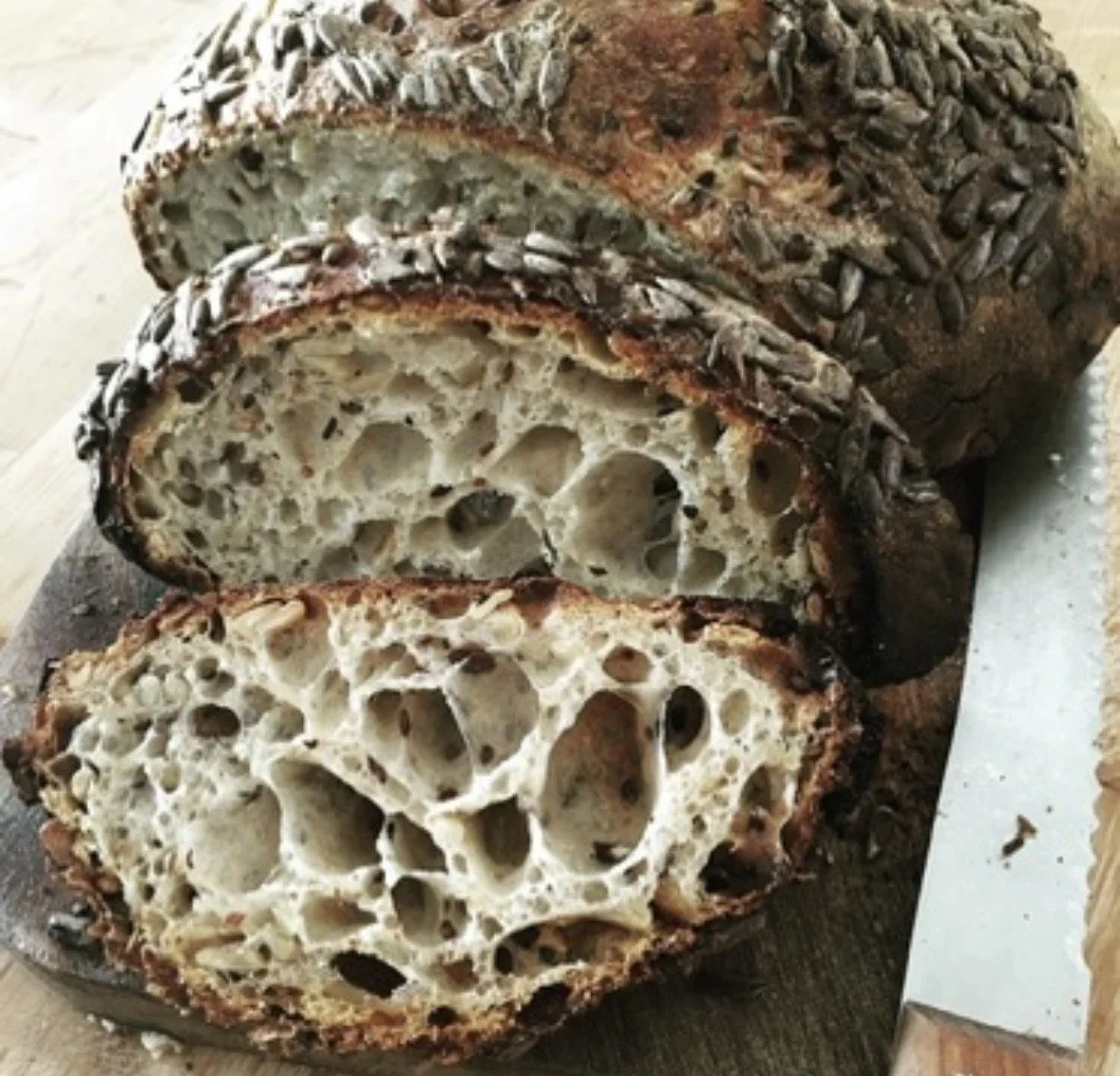
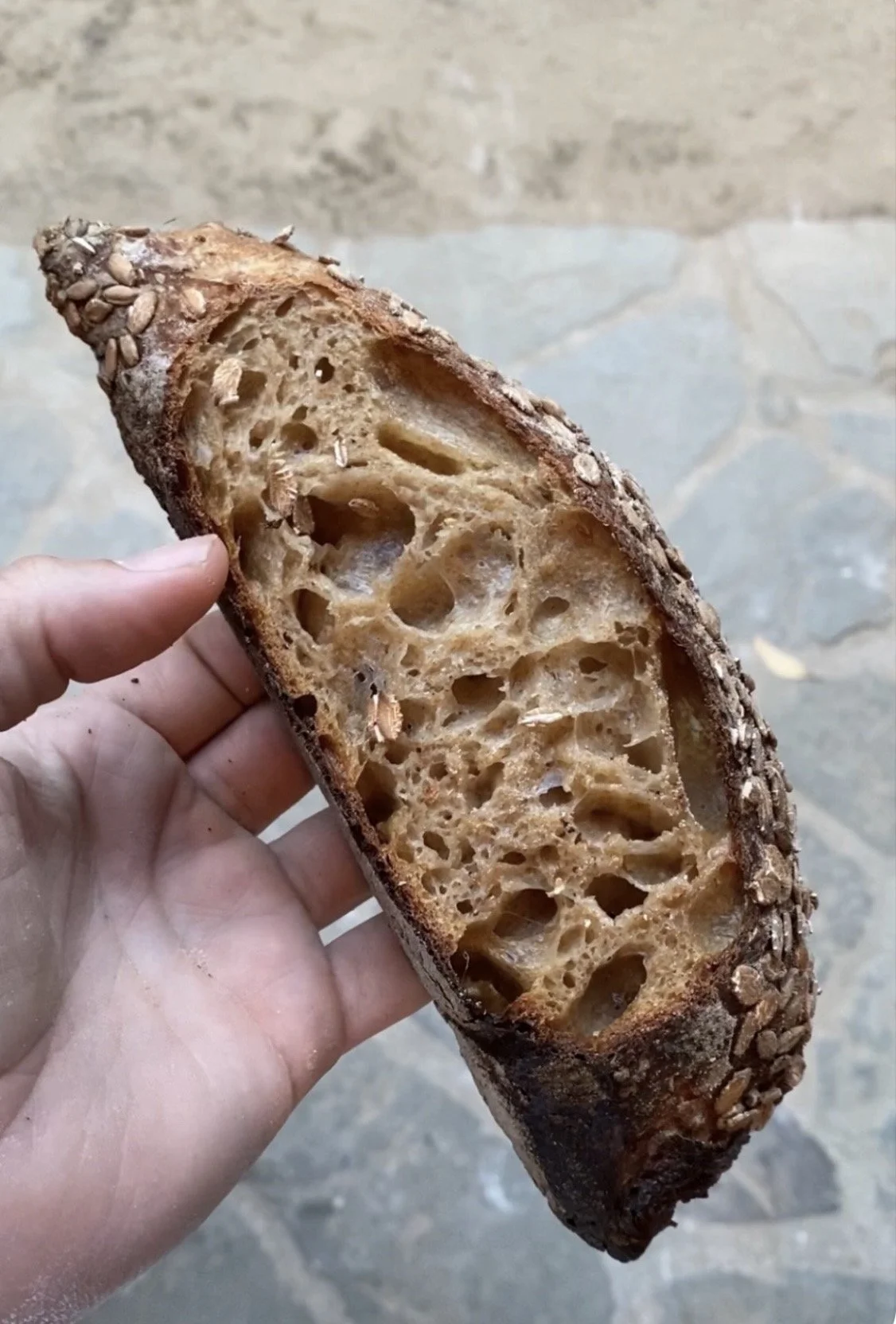
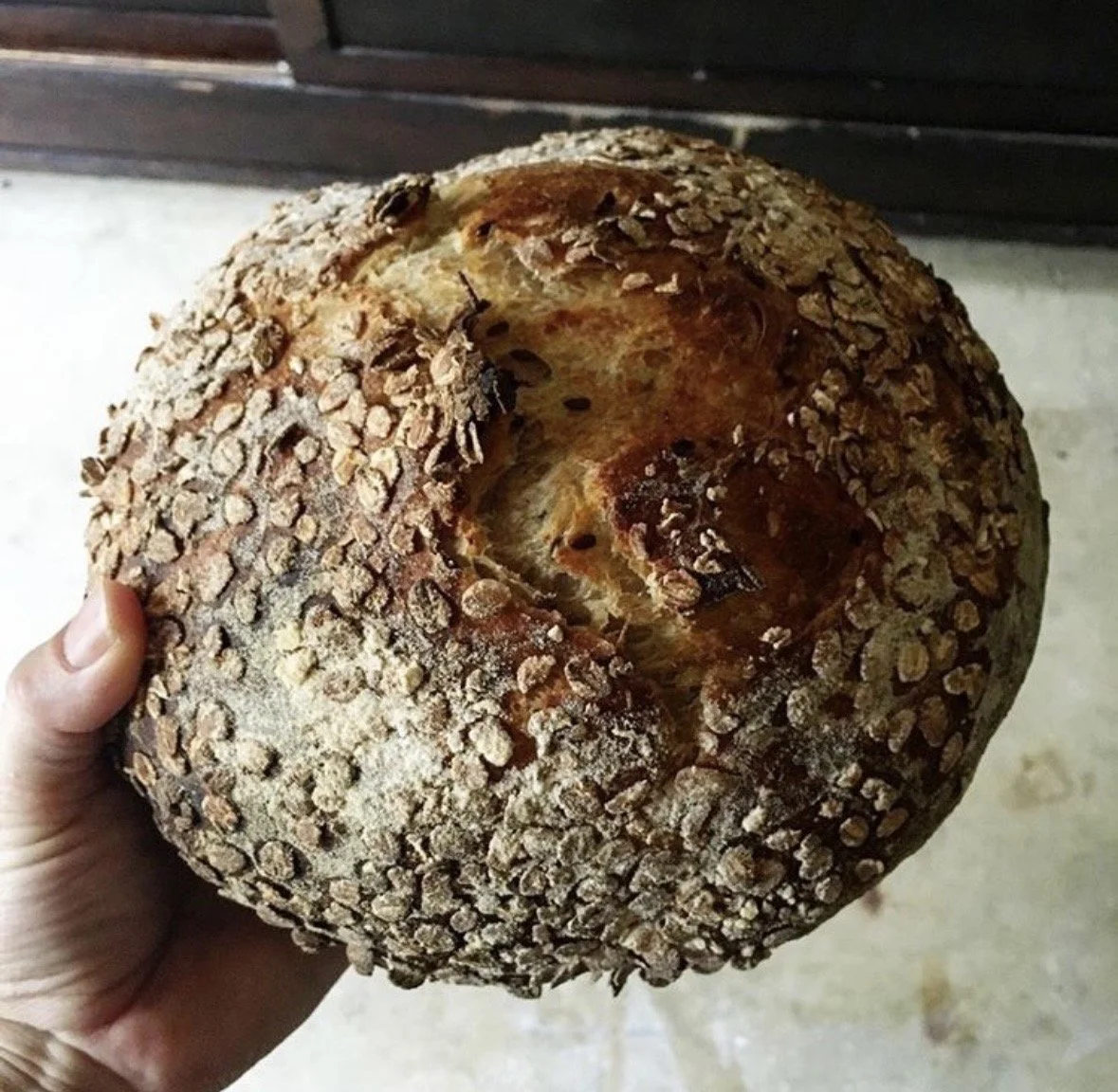
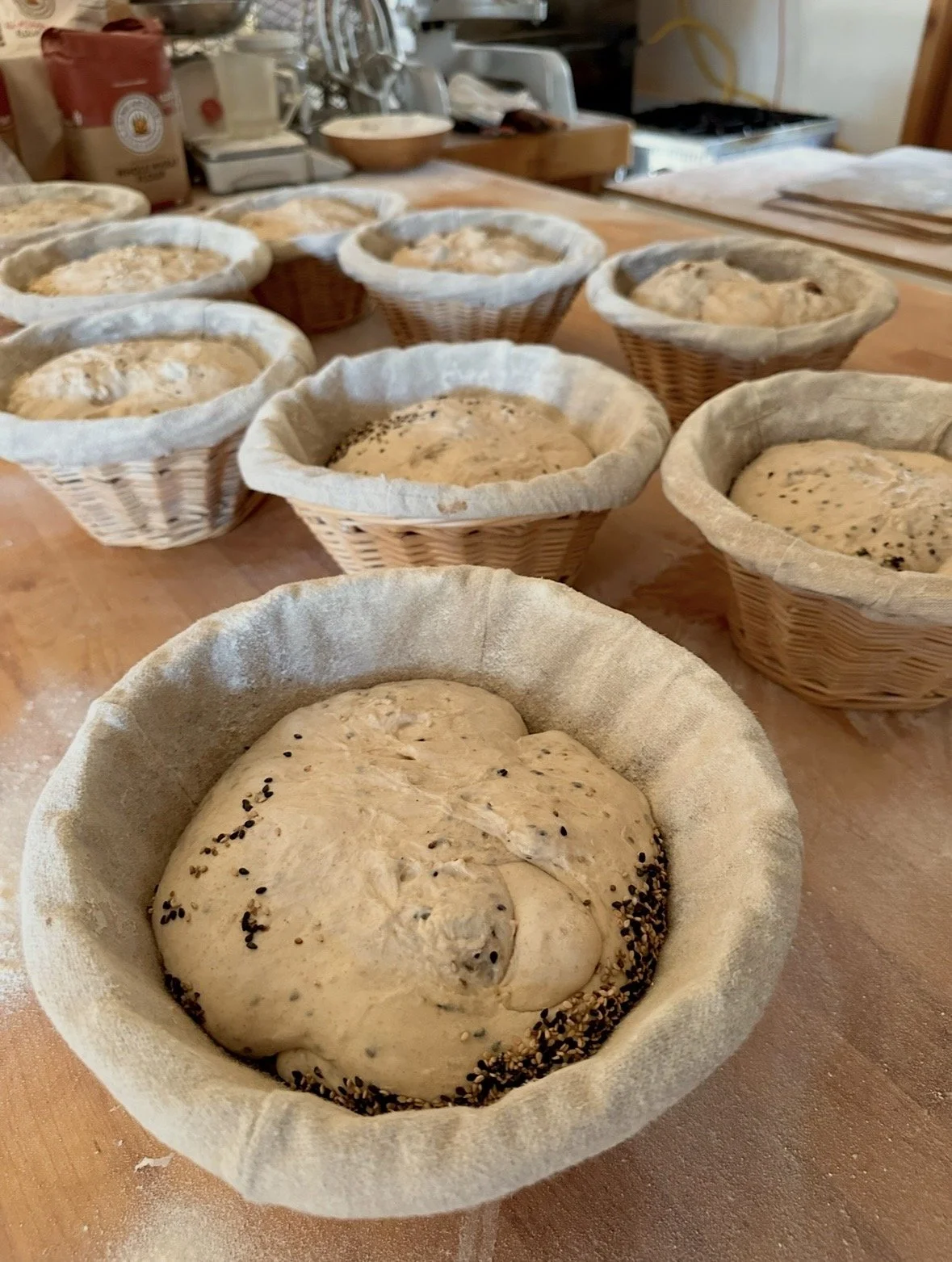
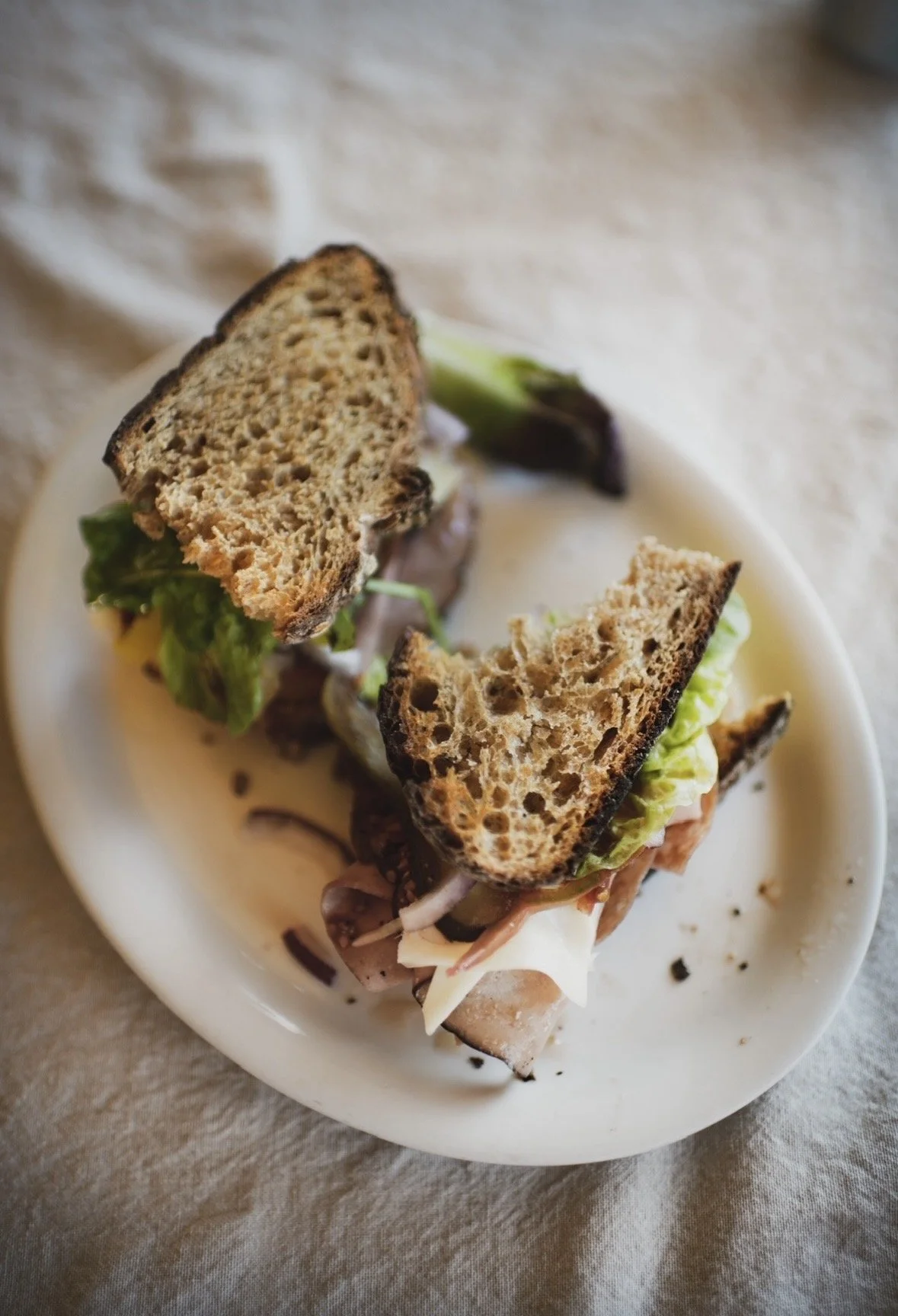
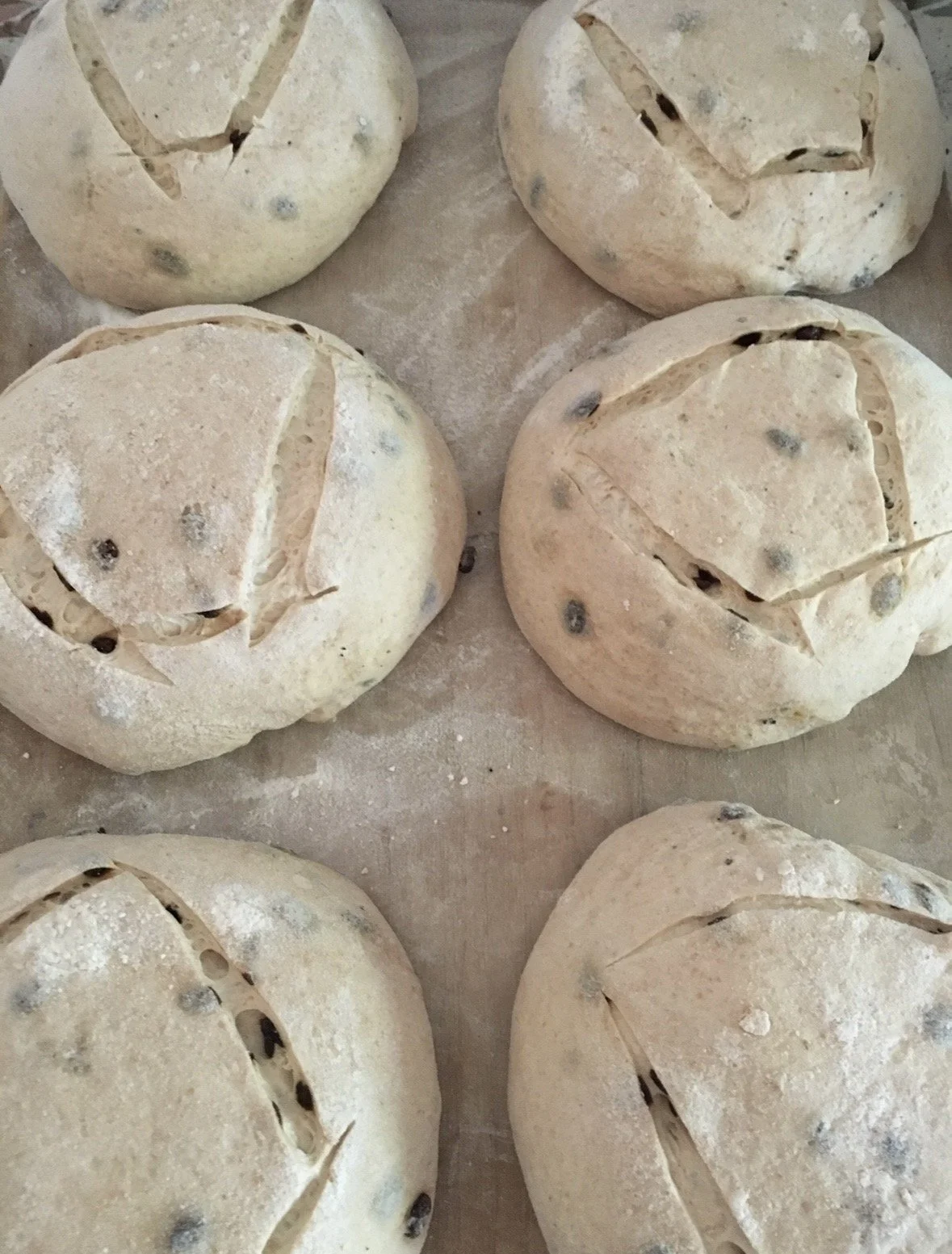
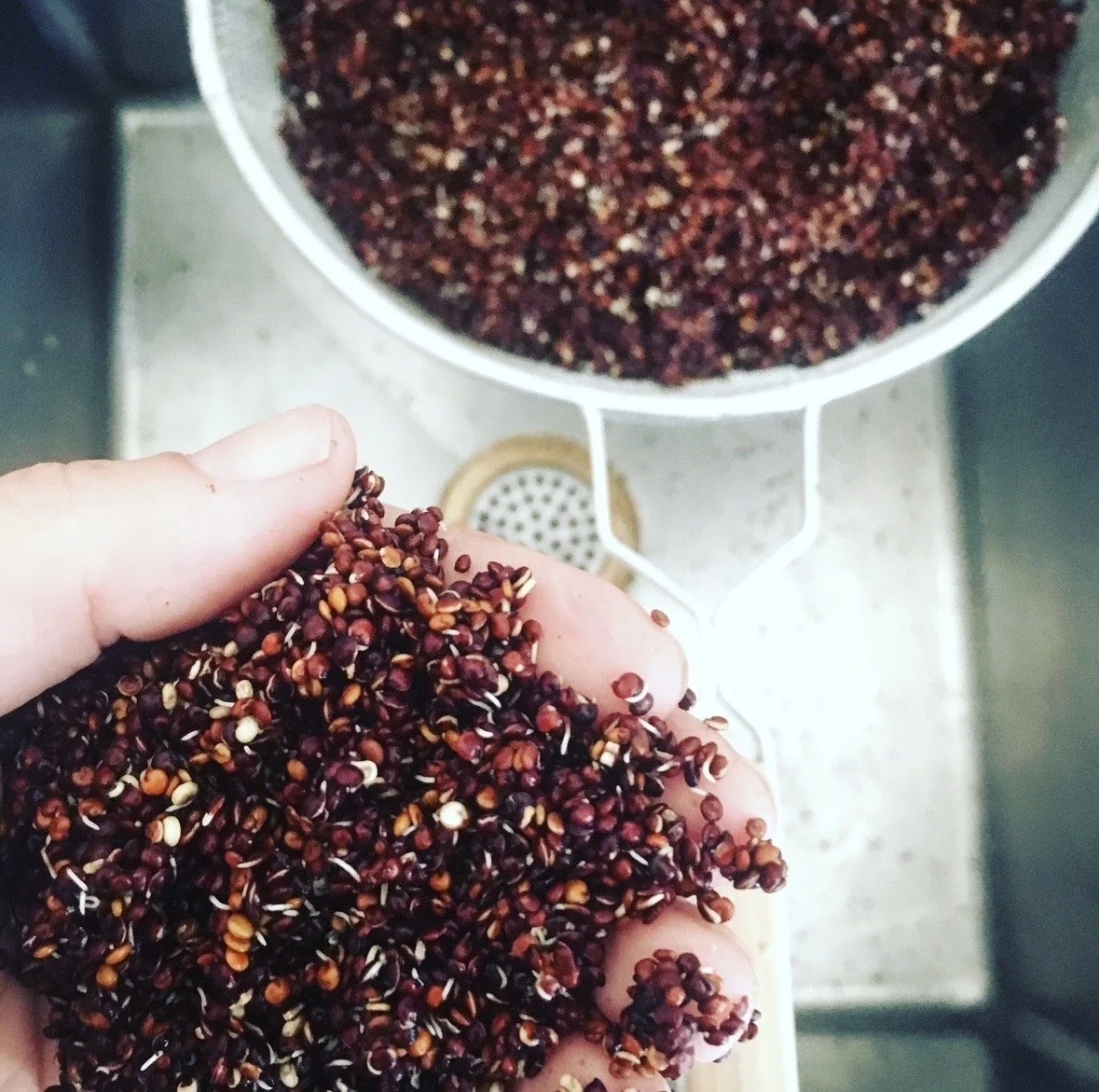
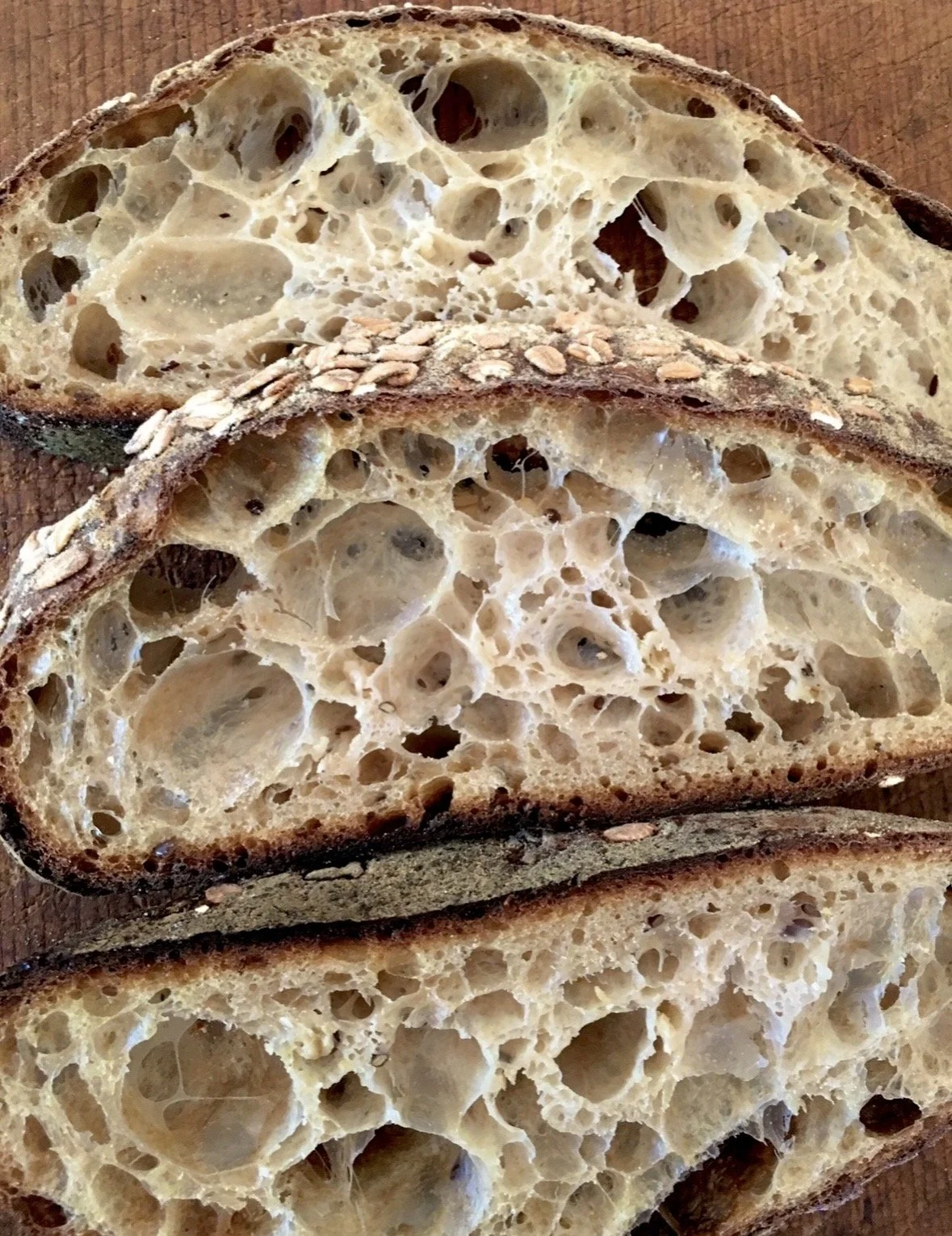
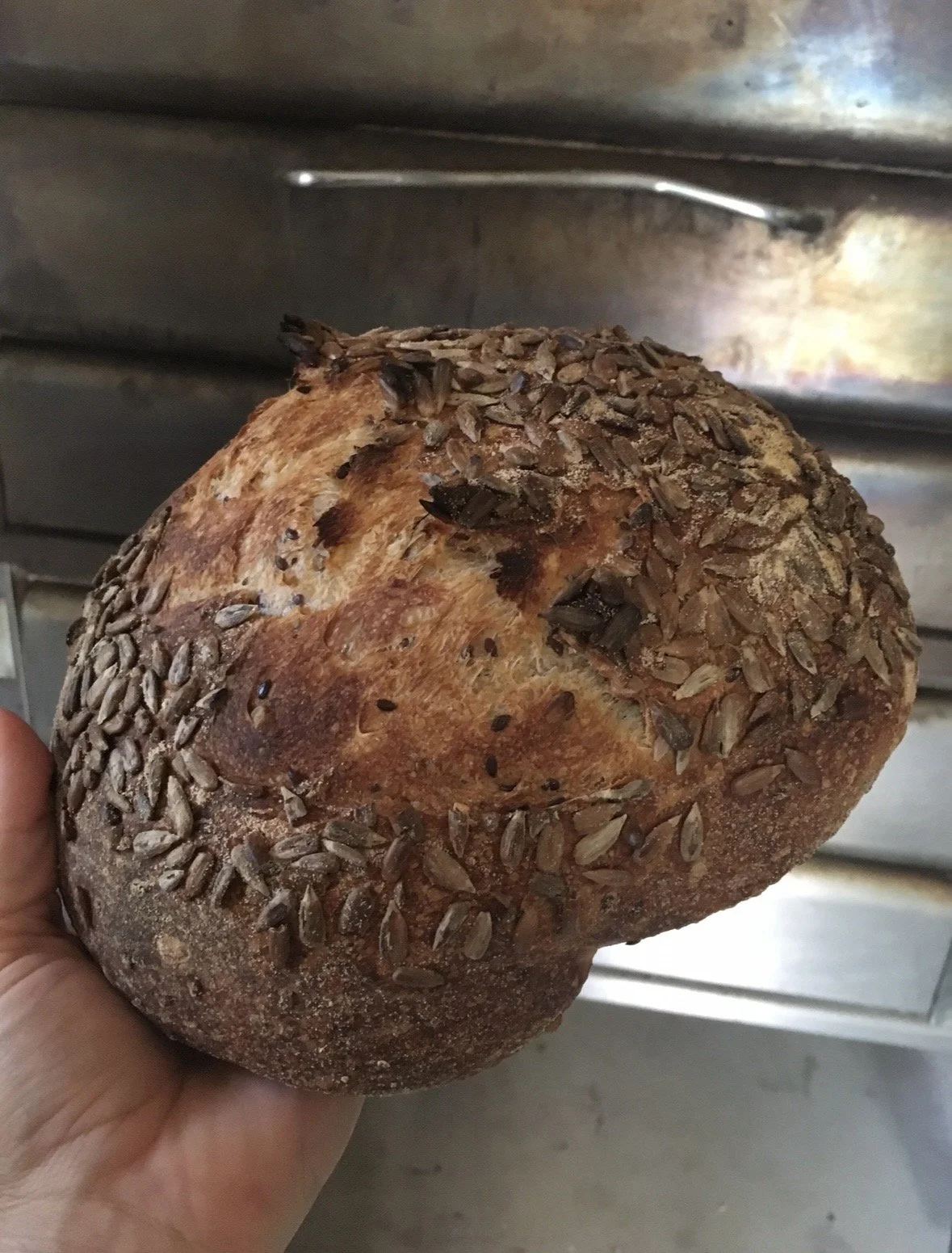
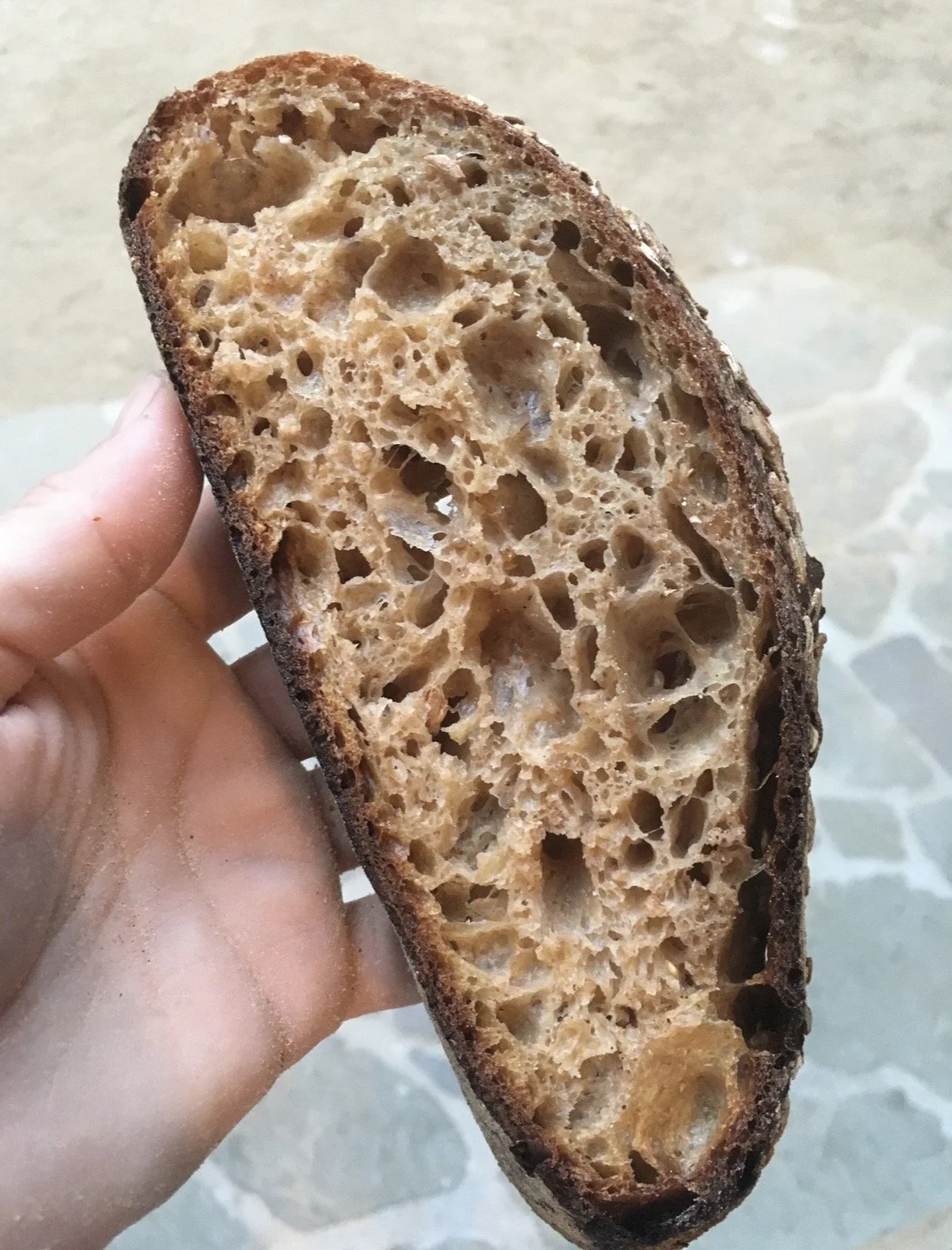
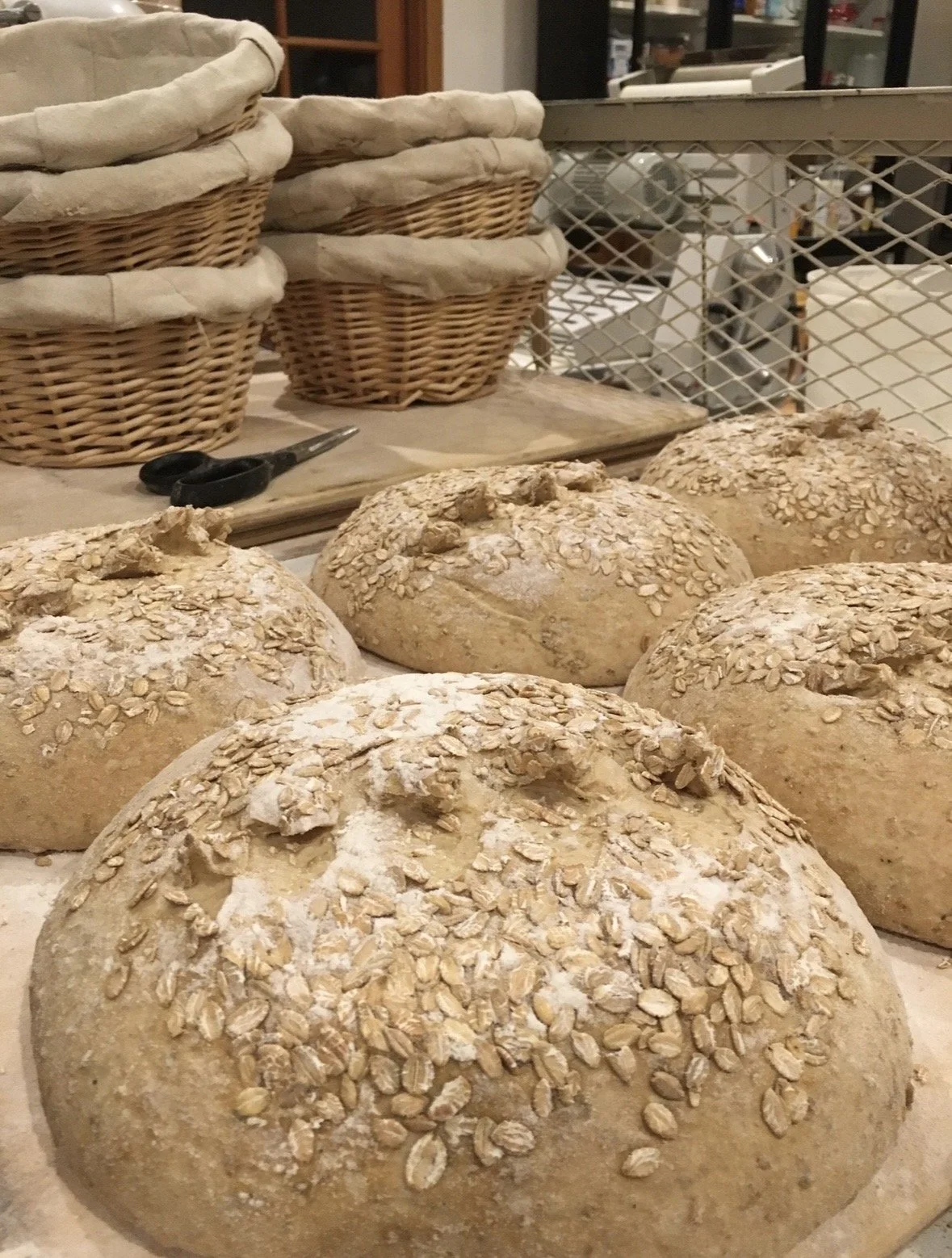
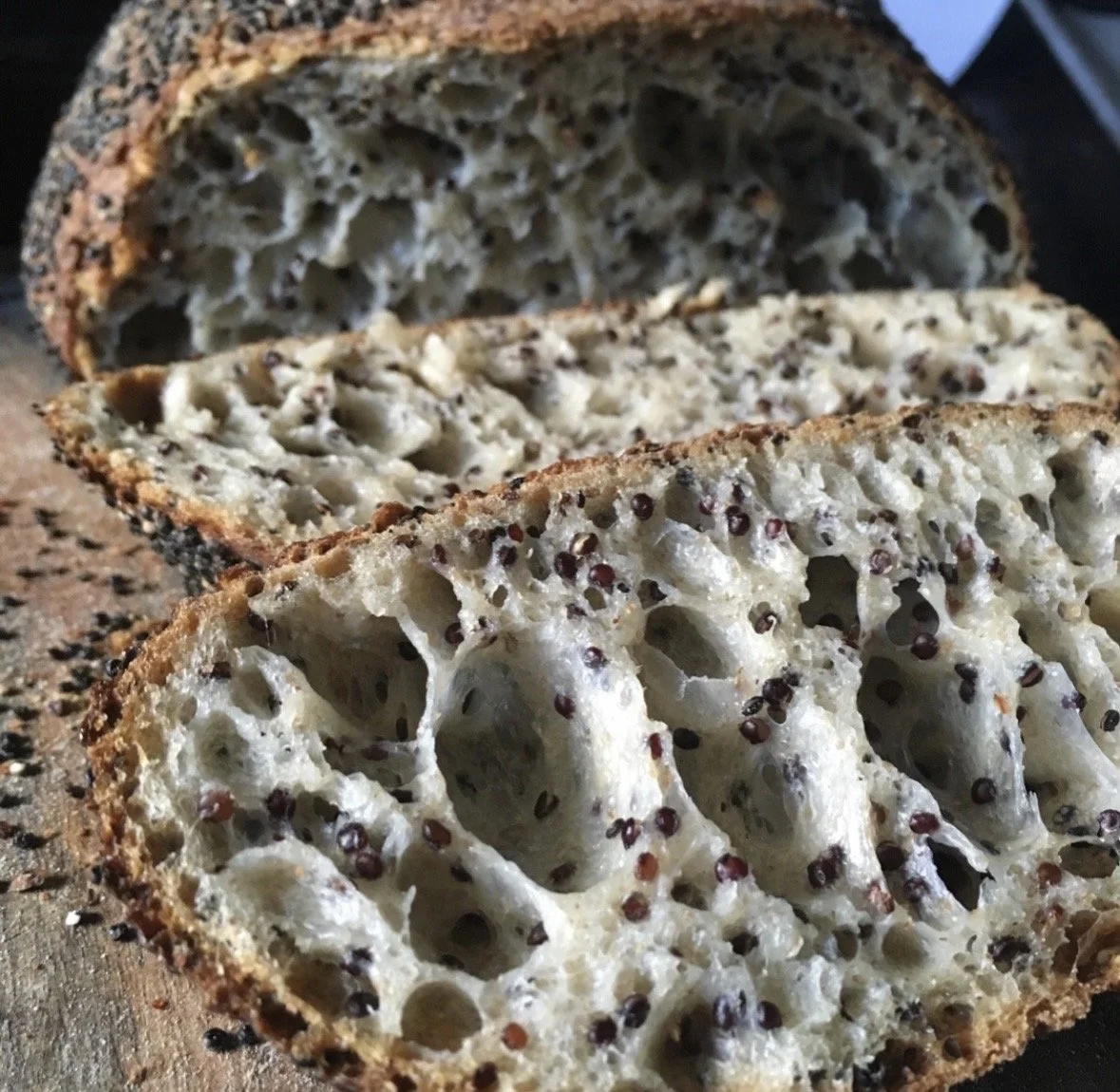
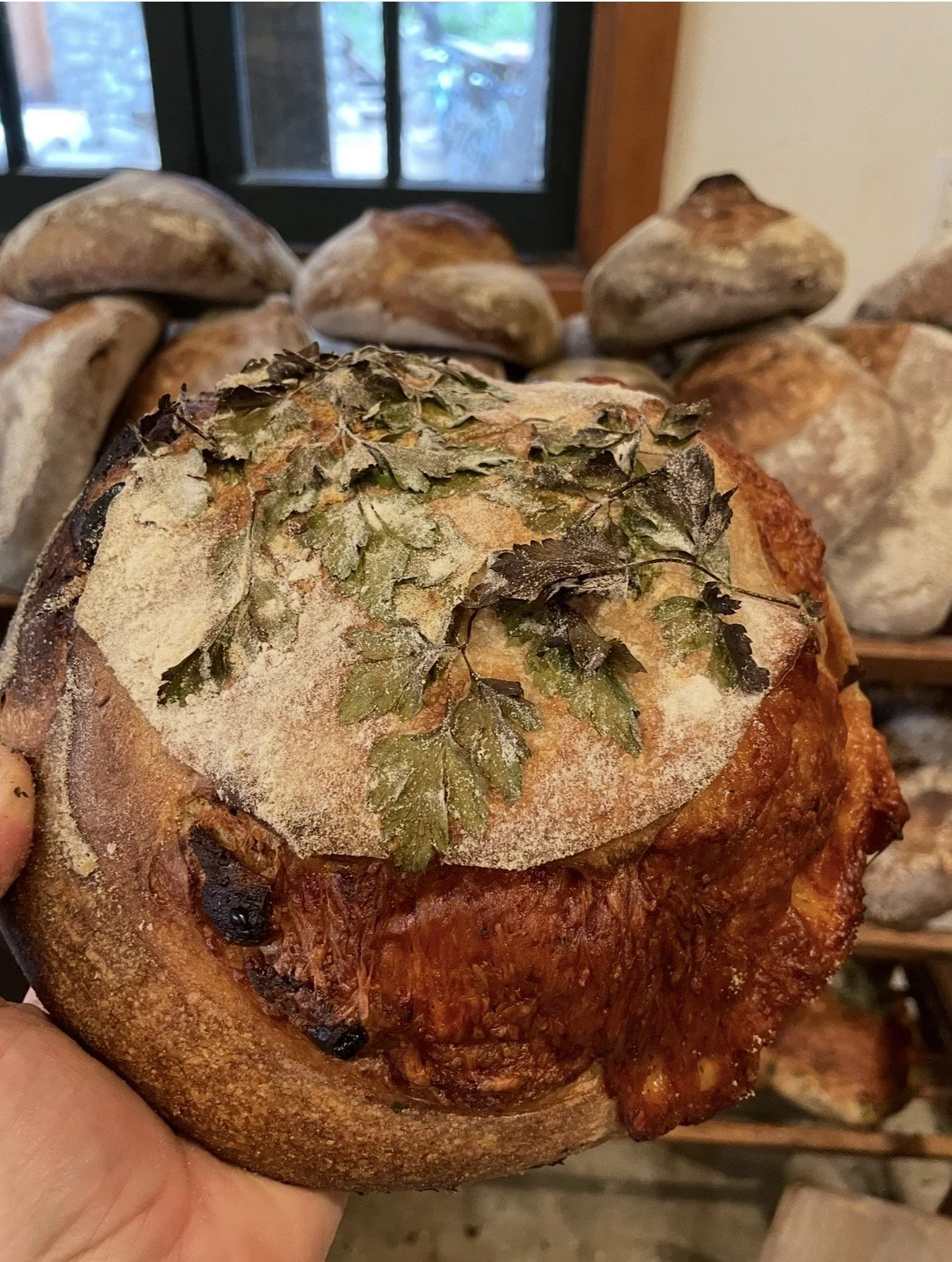
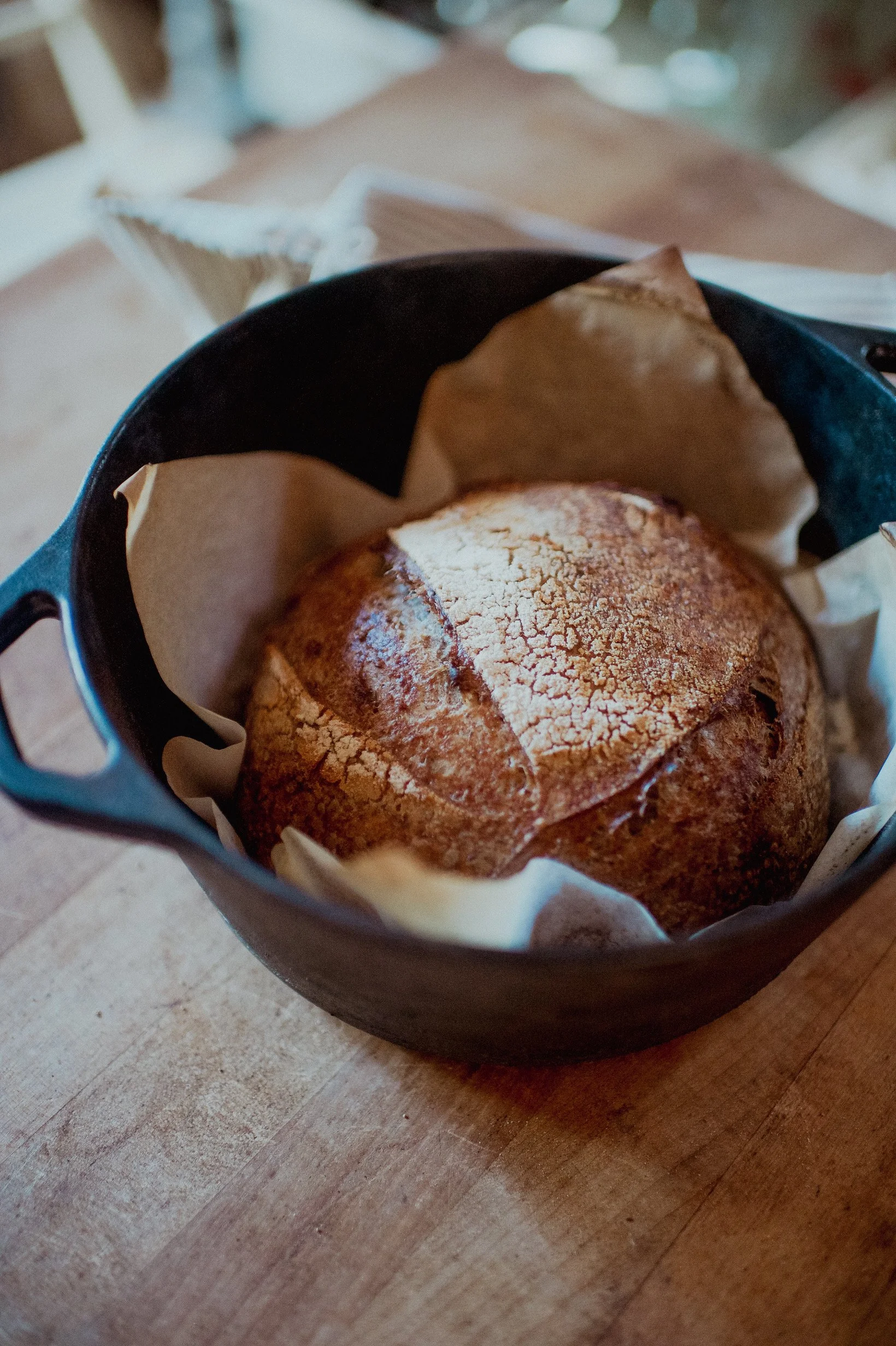
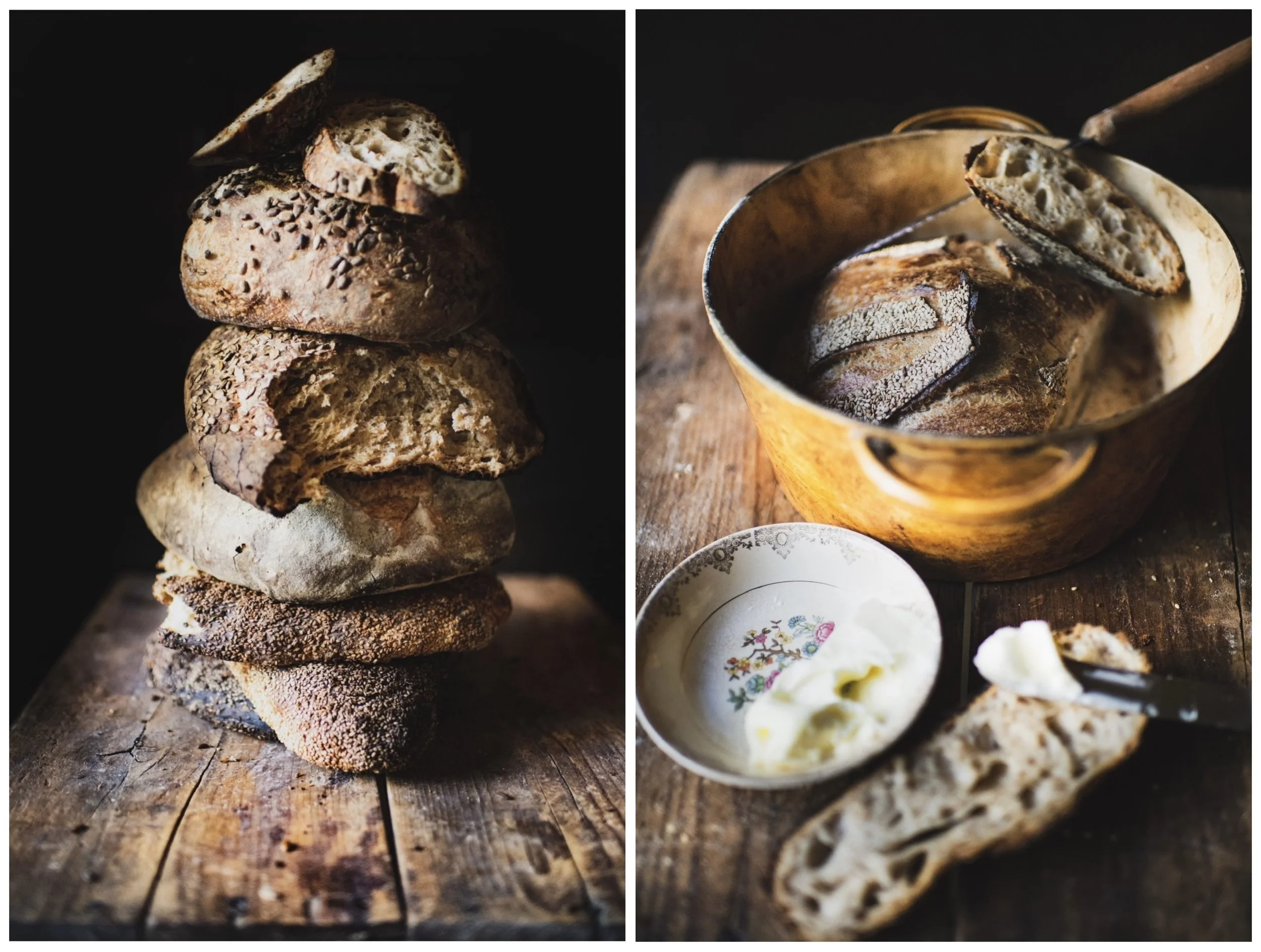
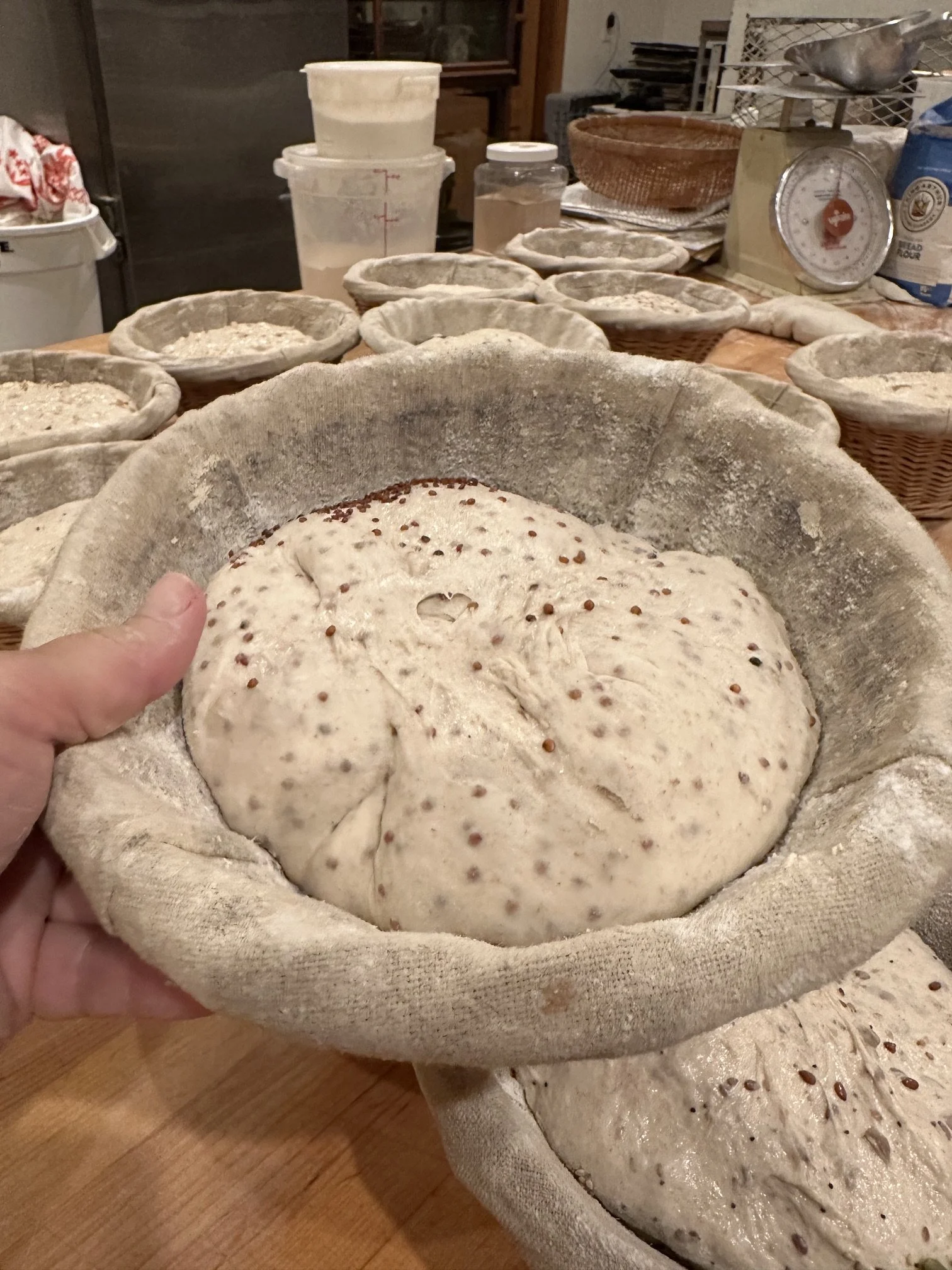
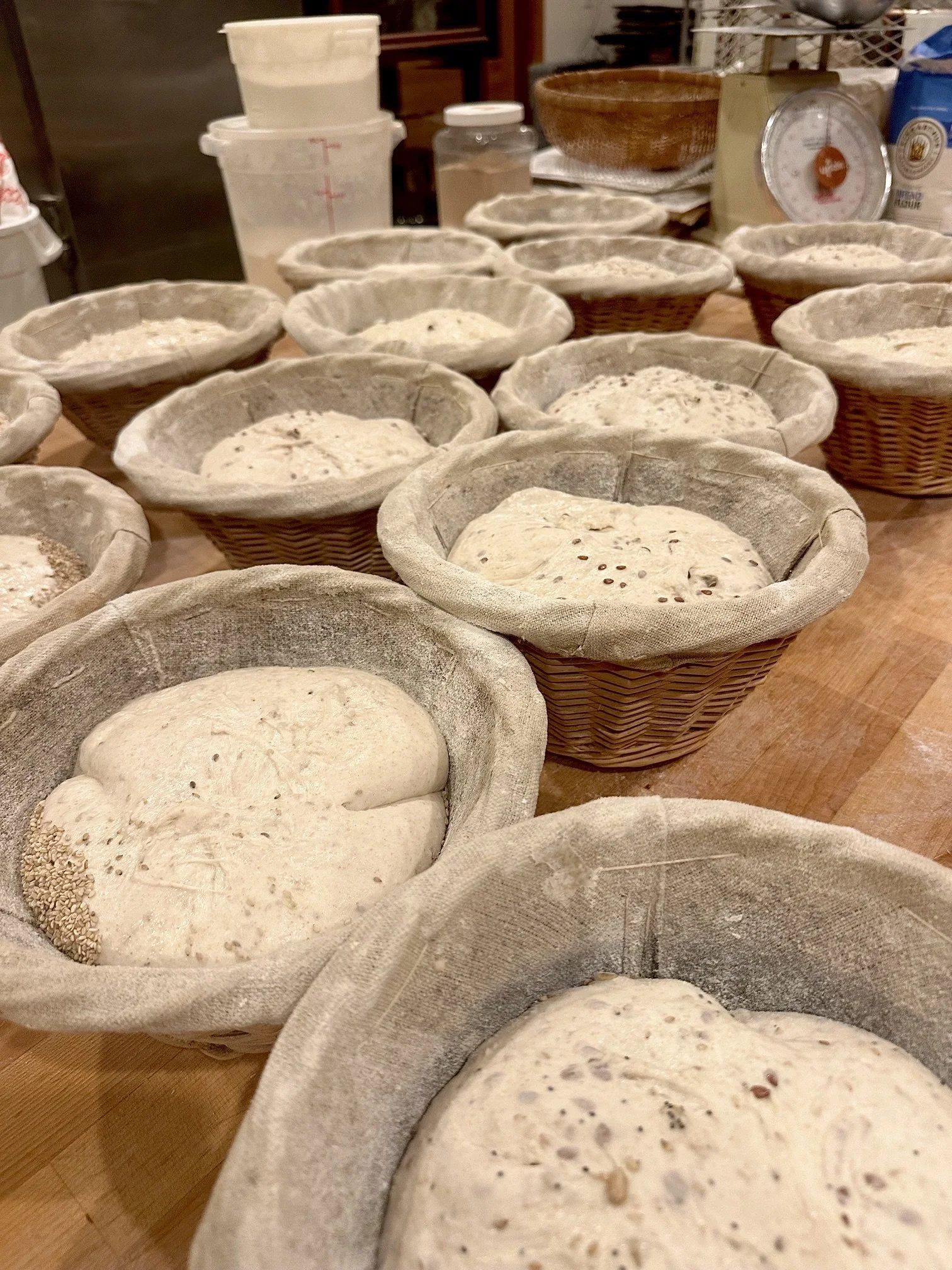
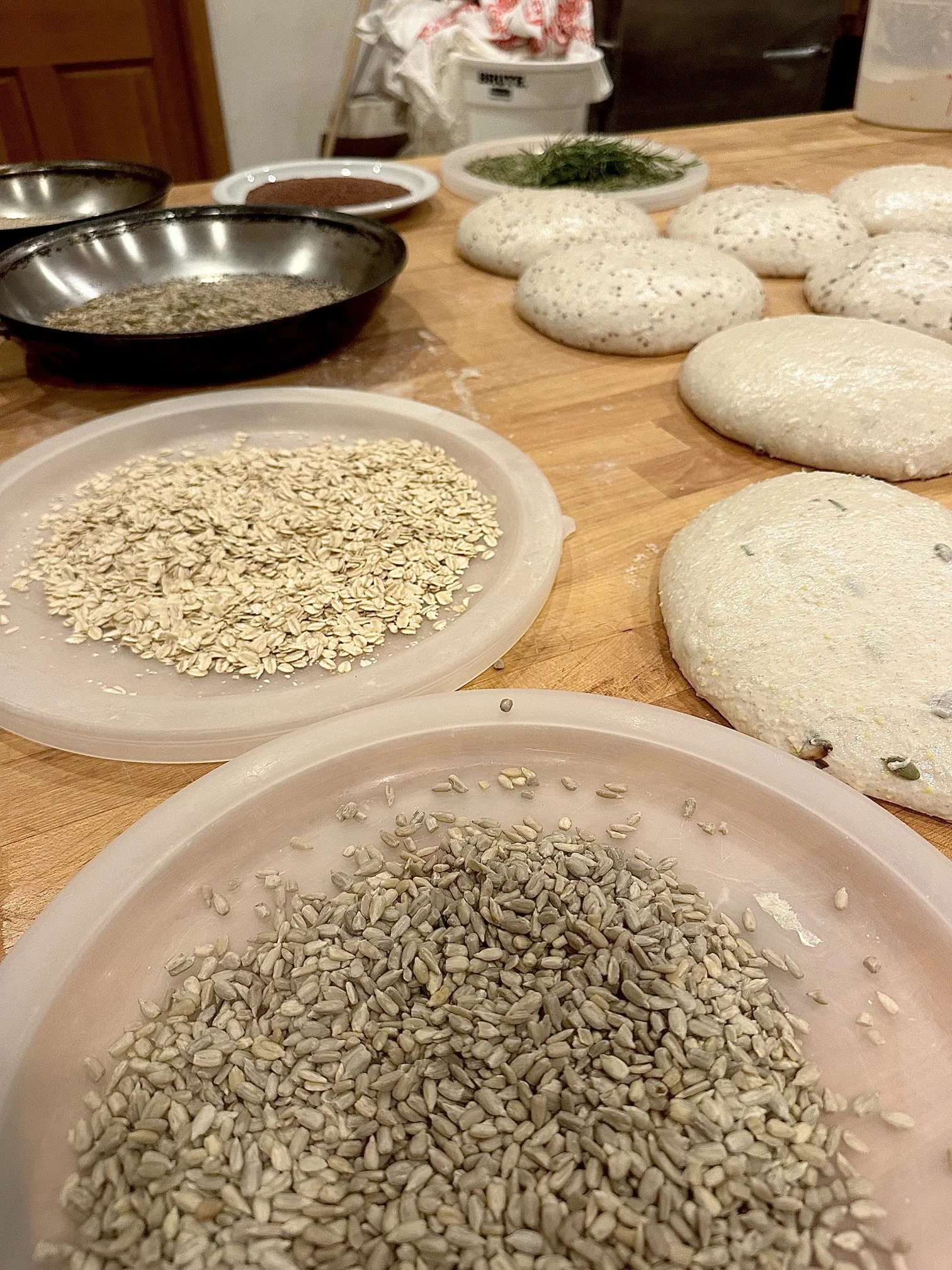
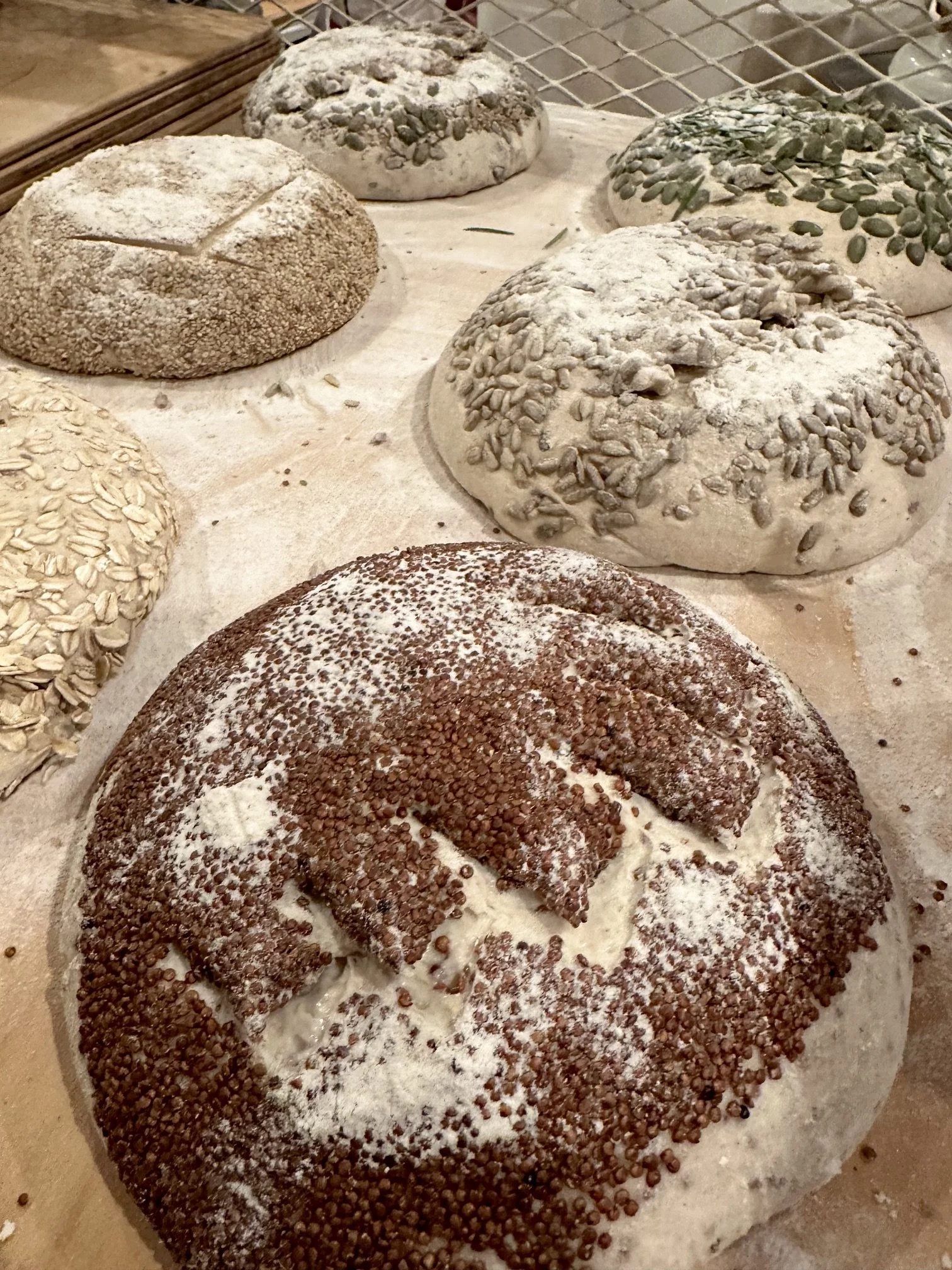
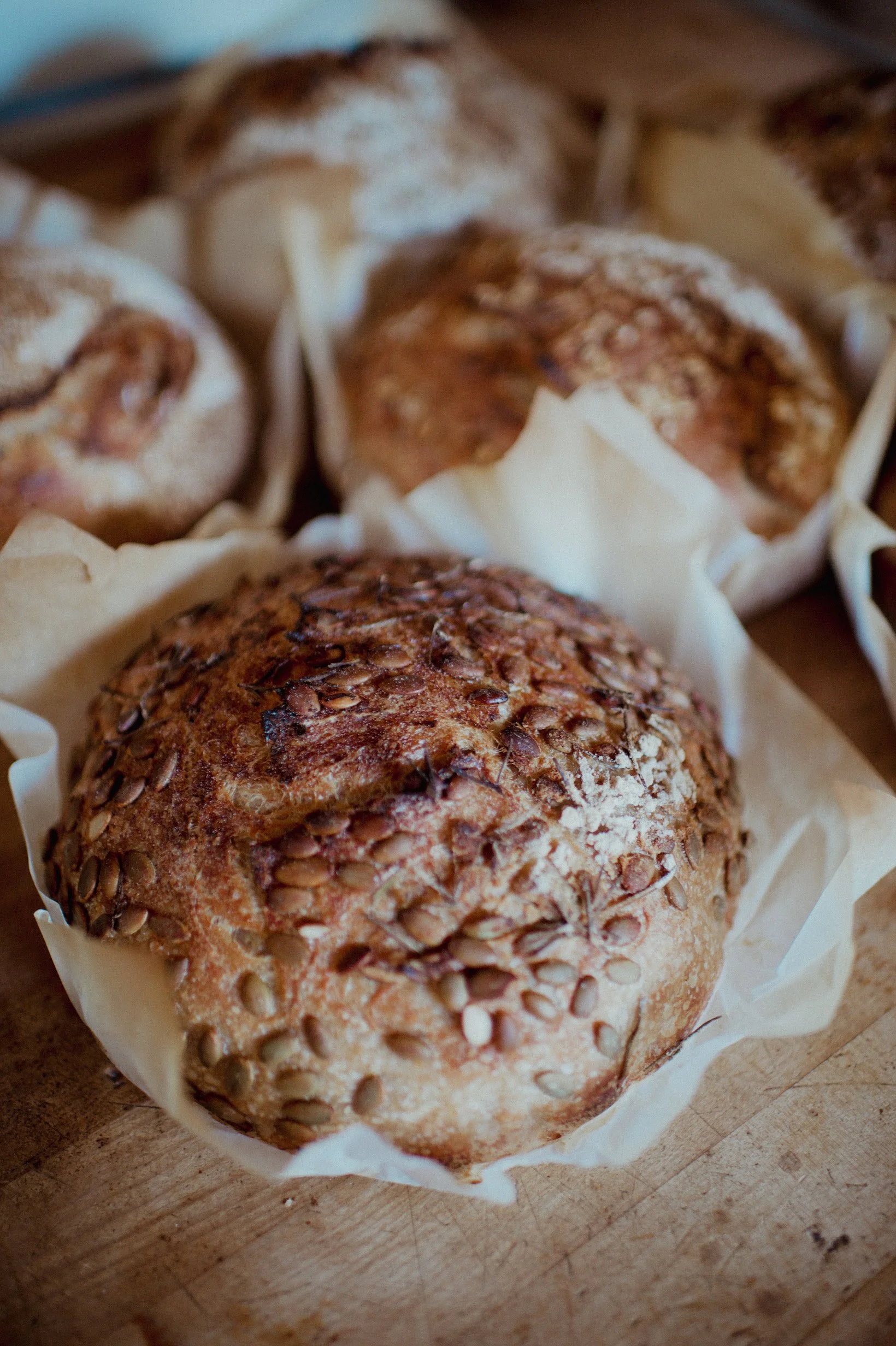
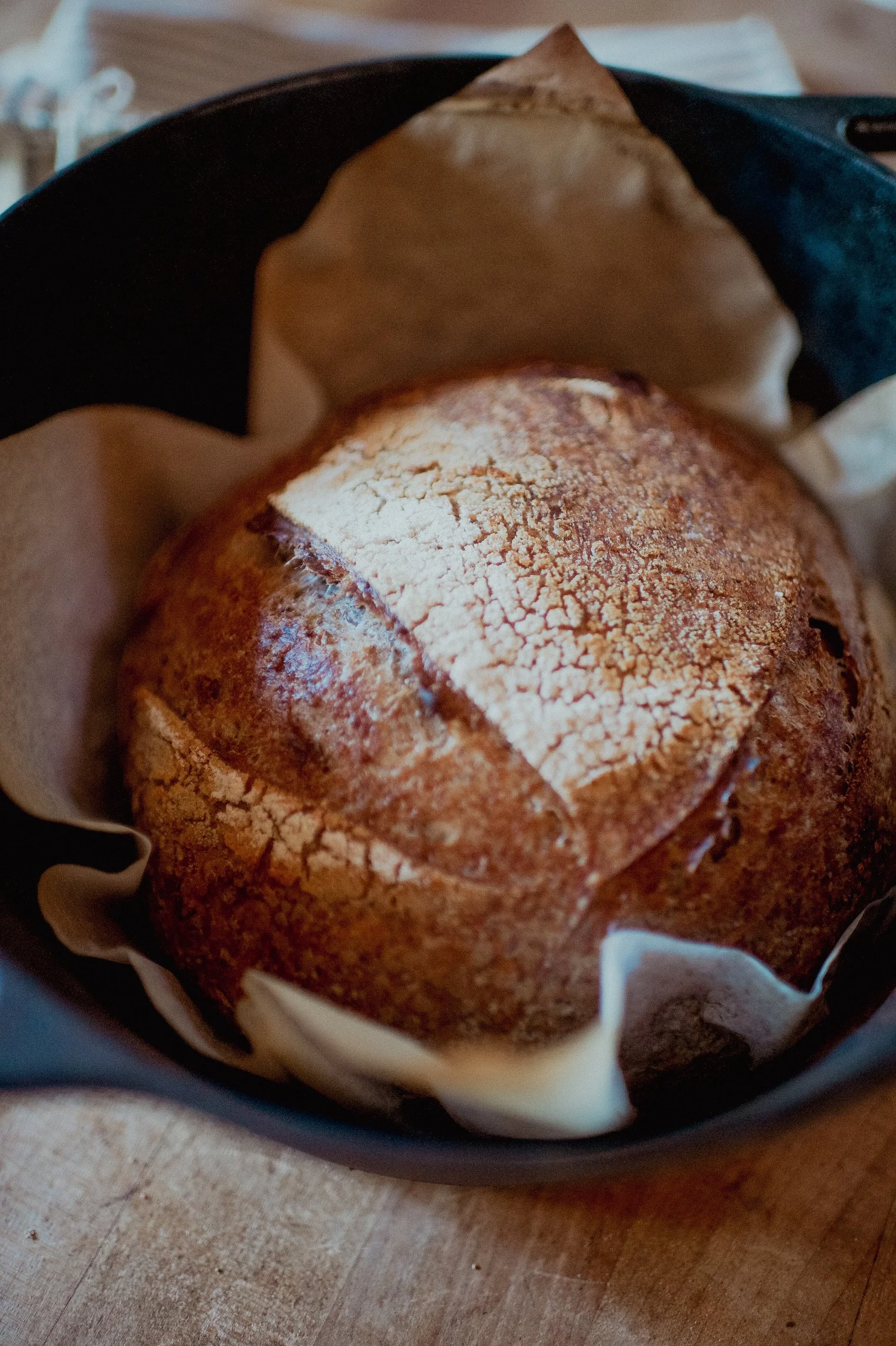
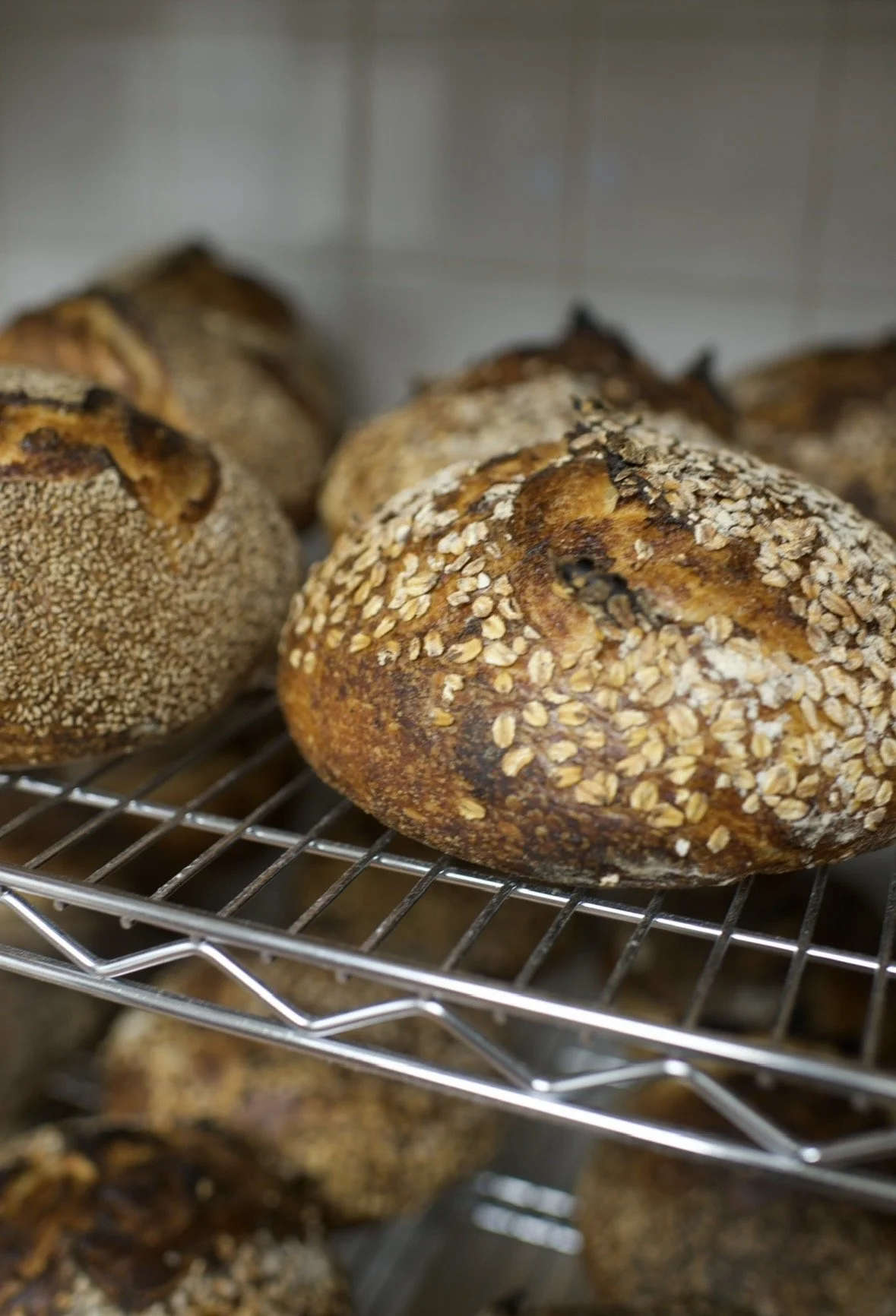
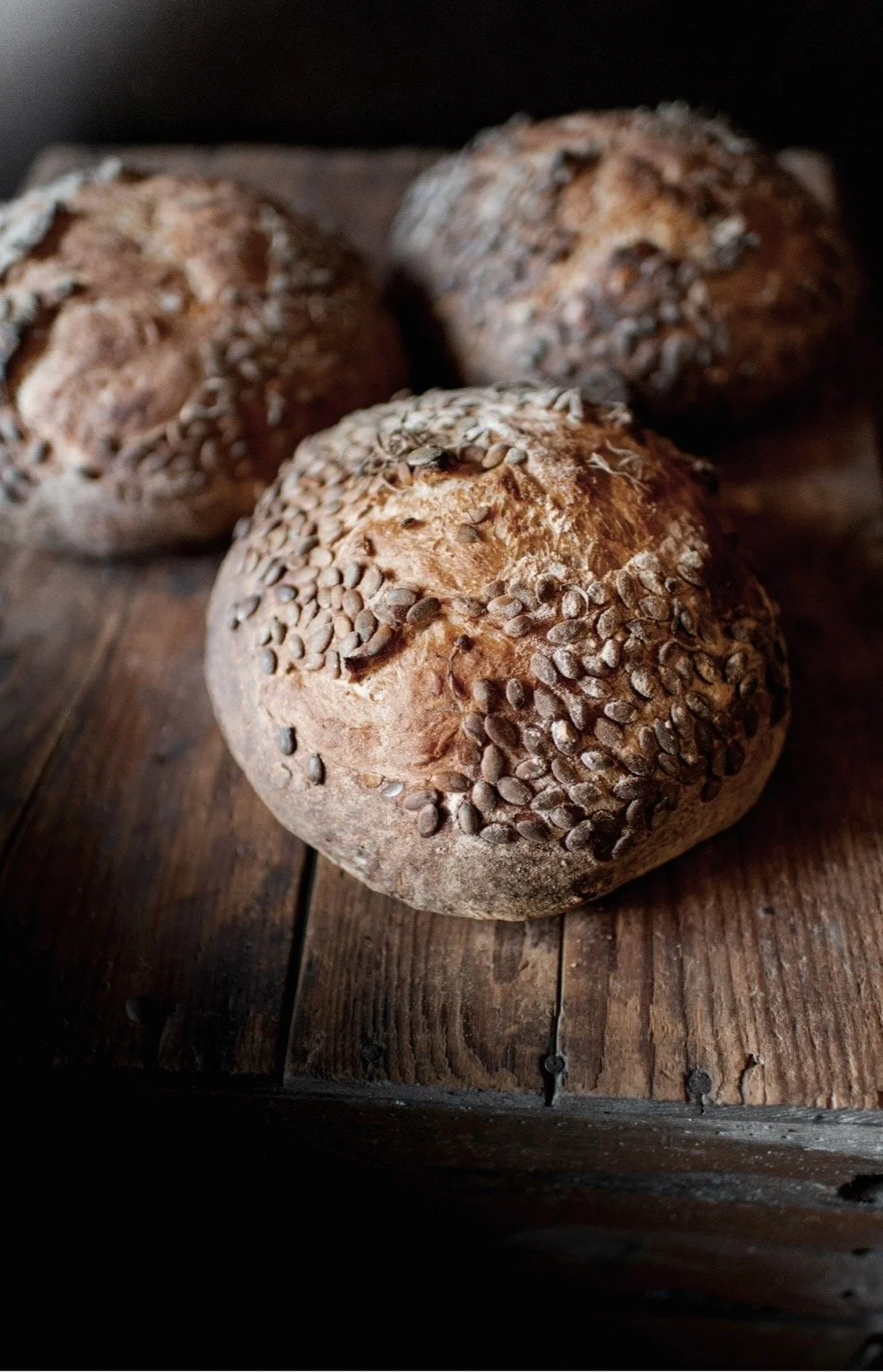
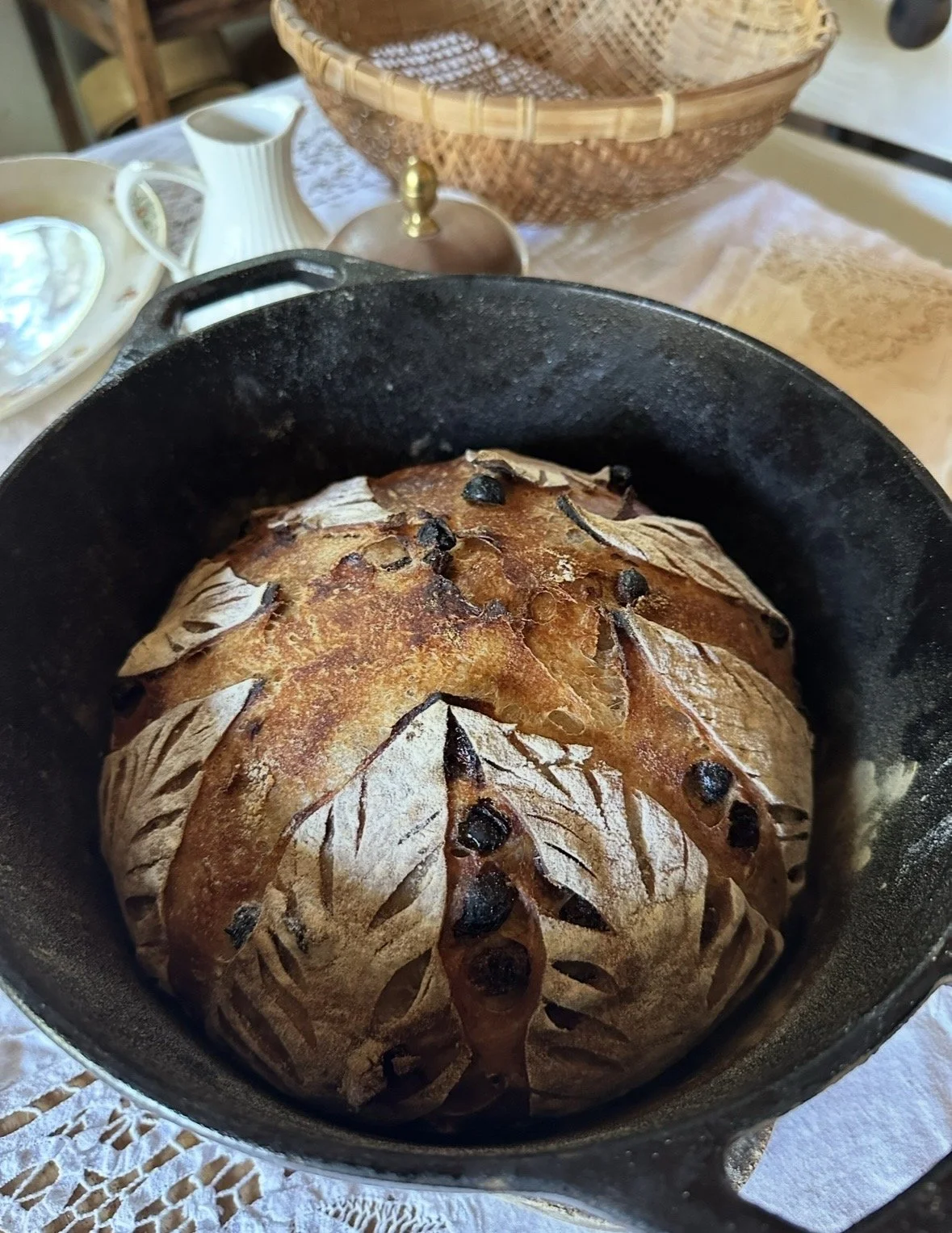
Early on we learned a Basic Country Sourdough. Now we will learn how to add things into the dough to make different loaves, with more texture and flavor, for variation without the complexities of completely different dough formulas. Mix ins are an easy way to get creative without too much fuss or stress. You can really try anything you want and although I am a bit of a traditionalist when it comes to sourdough bread, don’t let my views keep you from exploring on your own. With intentions to keep this basic, I am going to run through a variety of loaves I have baked in the past, staples at Kate’s Bread, that have all been based off of the simple country sourdough bread formula. We will be working with seeds, and porridges, as well as a few other grains to enhance flavor and texture, all of which will alter your crumb and crust enough to introduce a loaf unique in look and flavor.
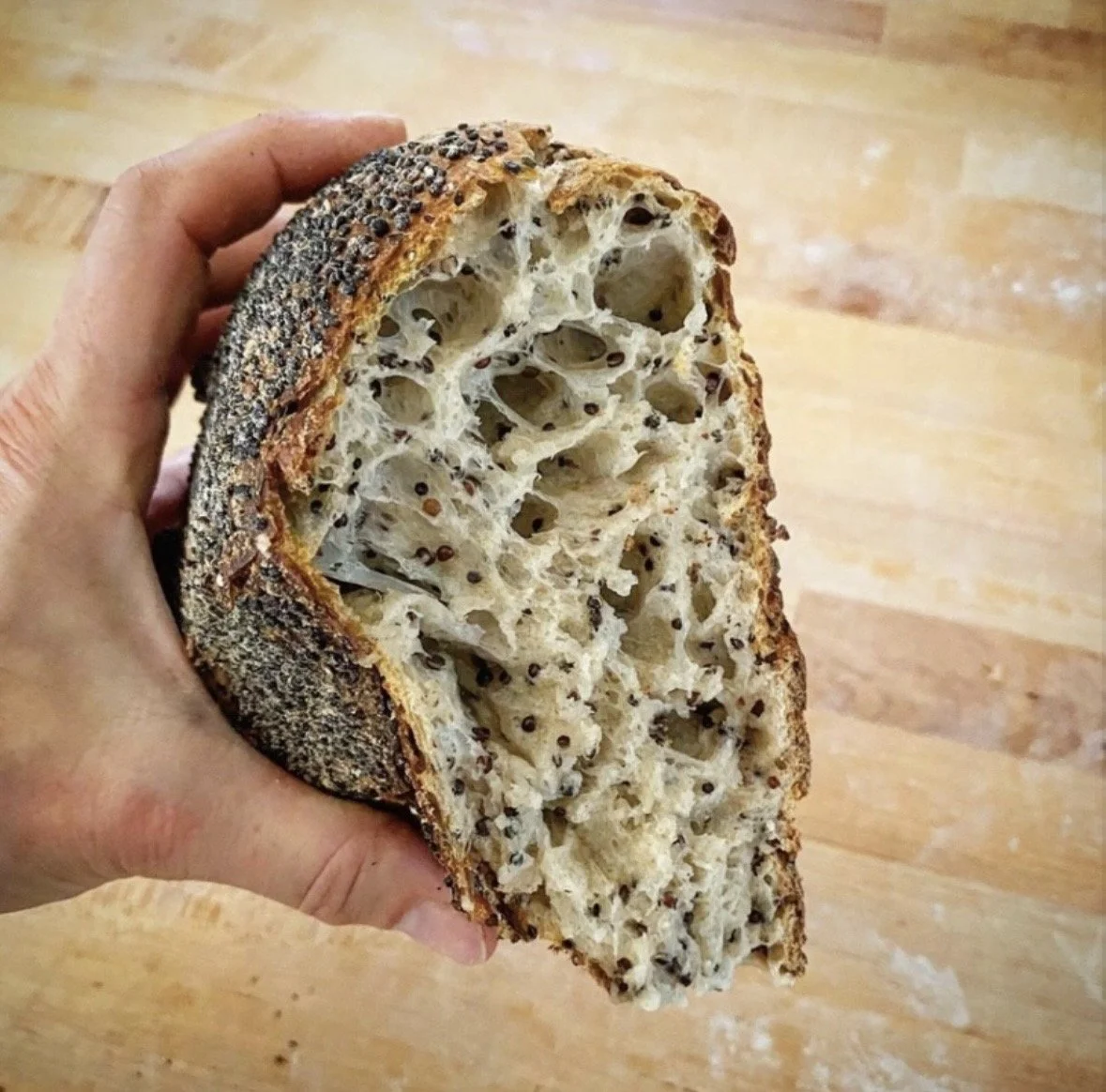
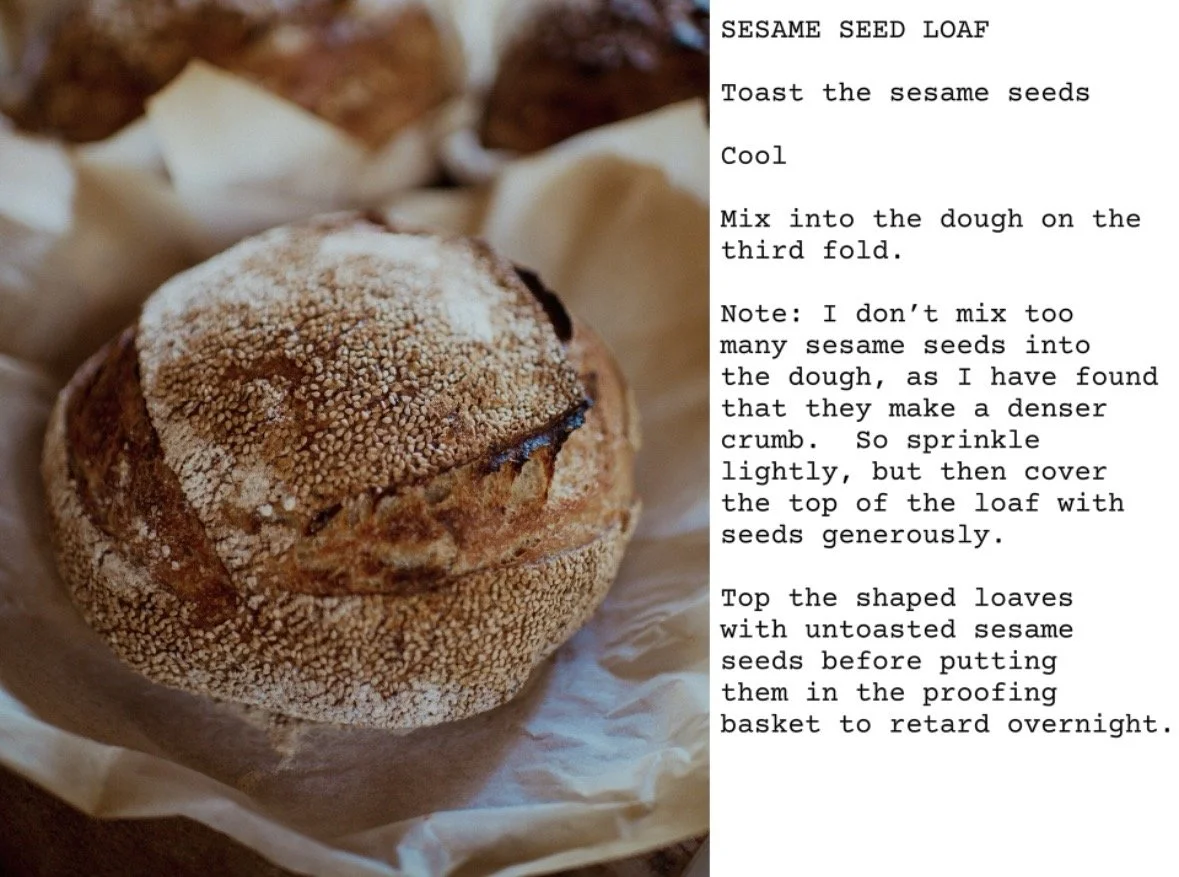
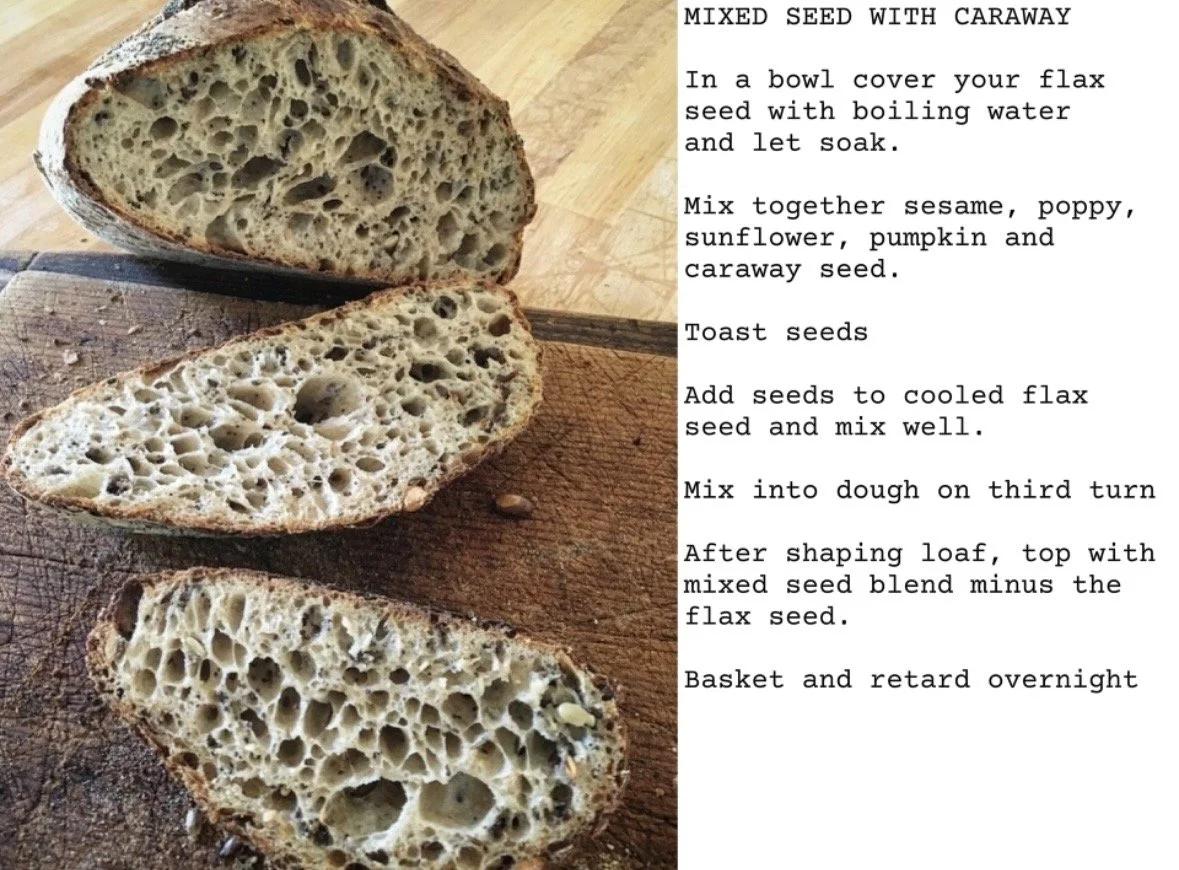
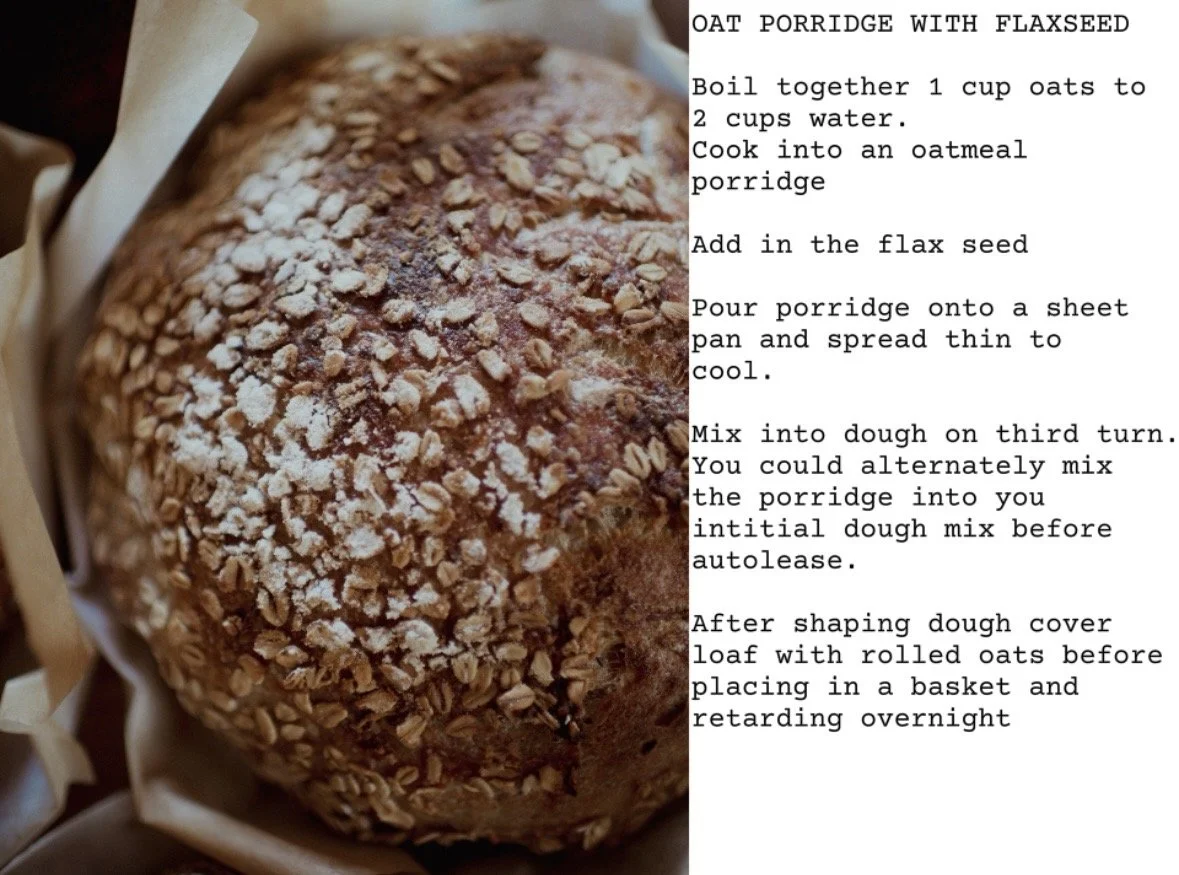
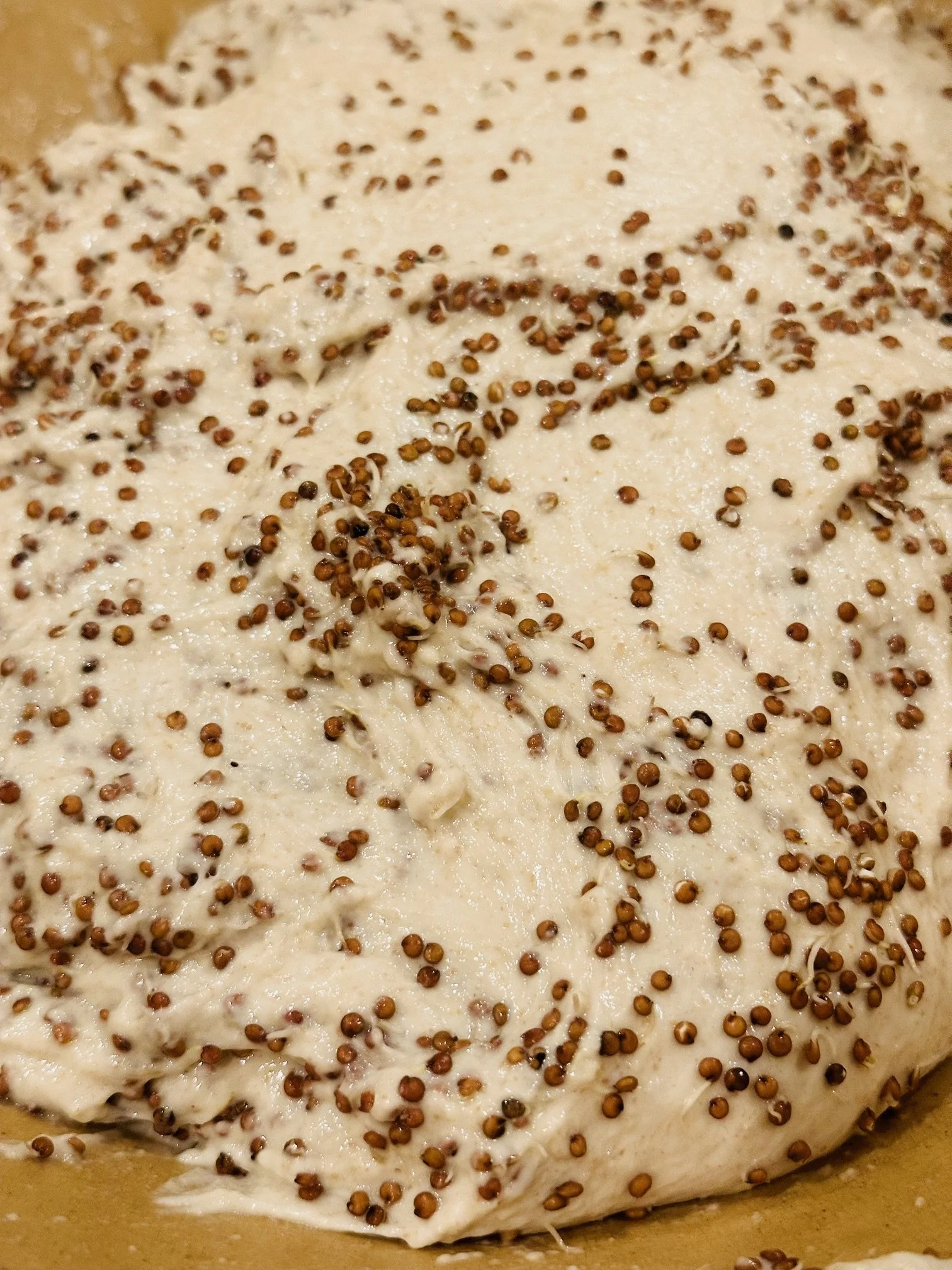
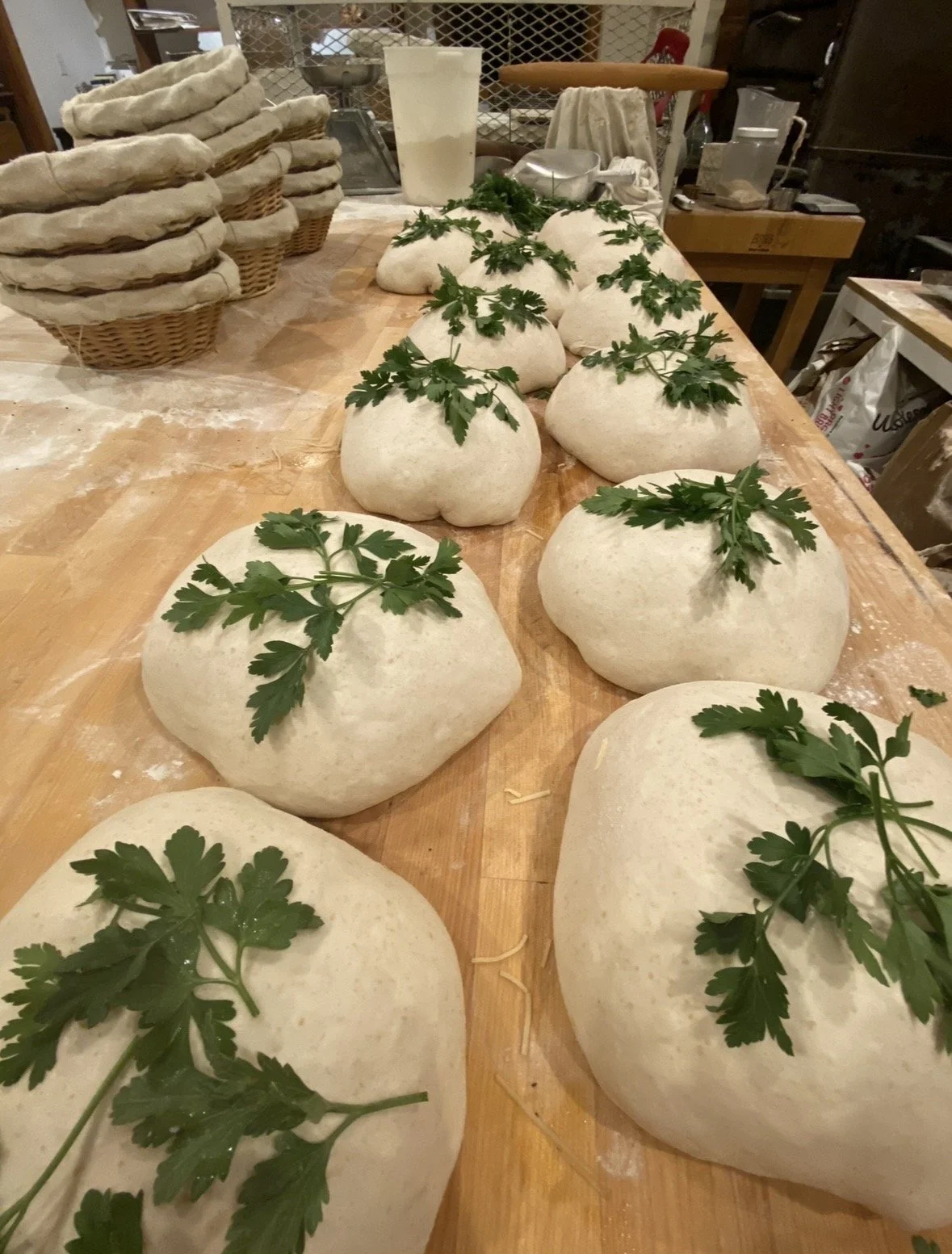
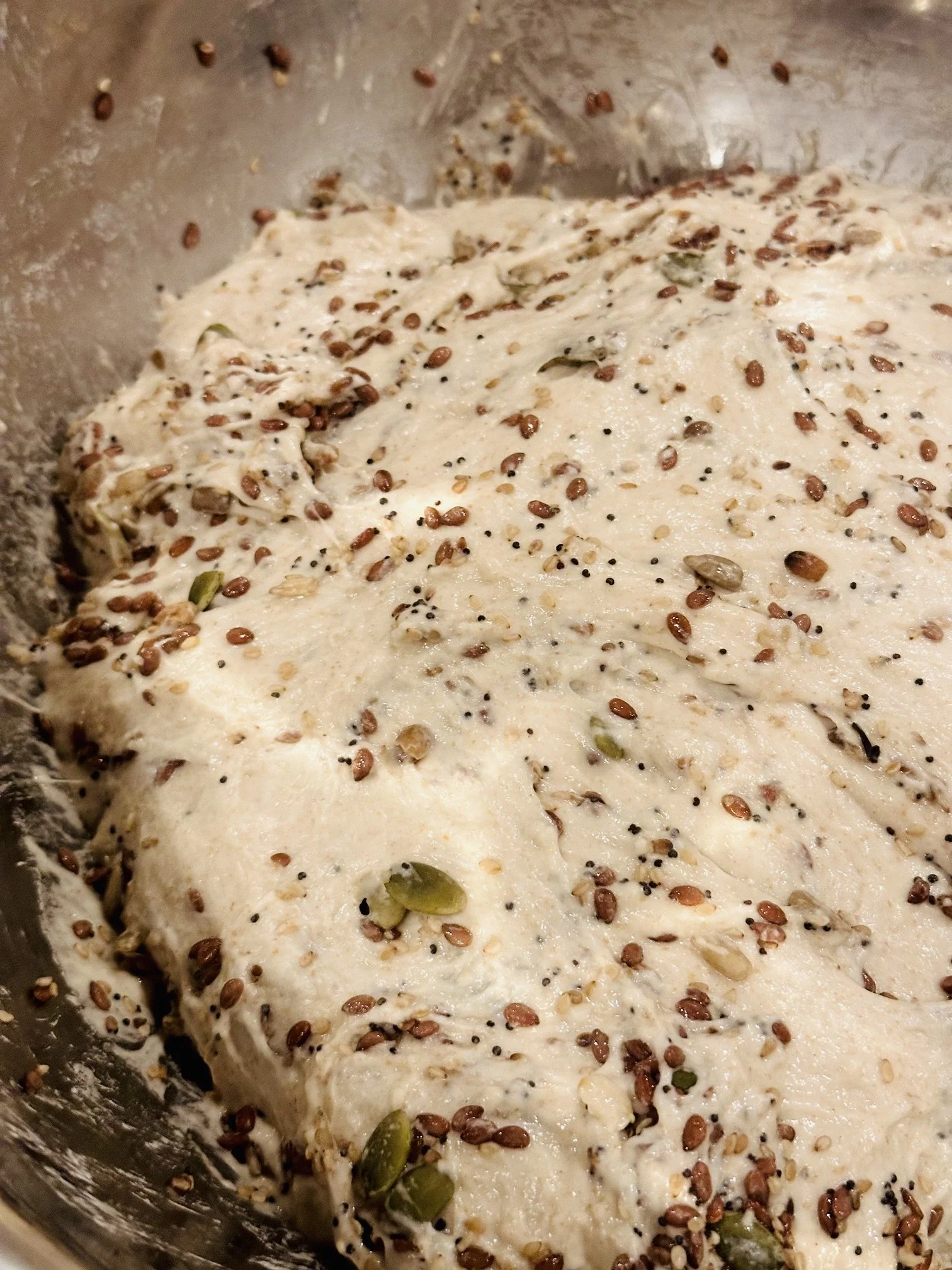
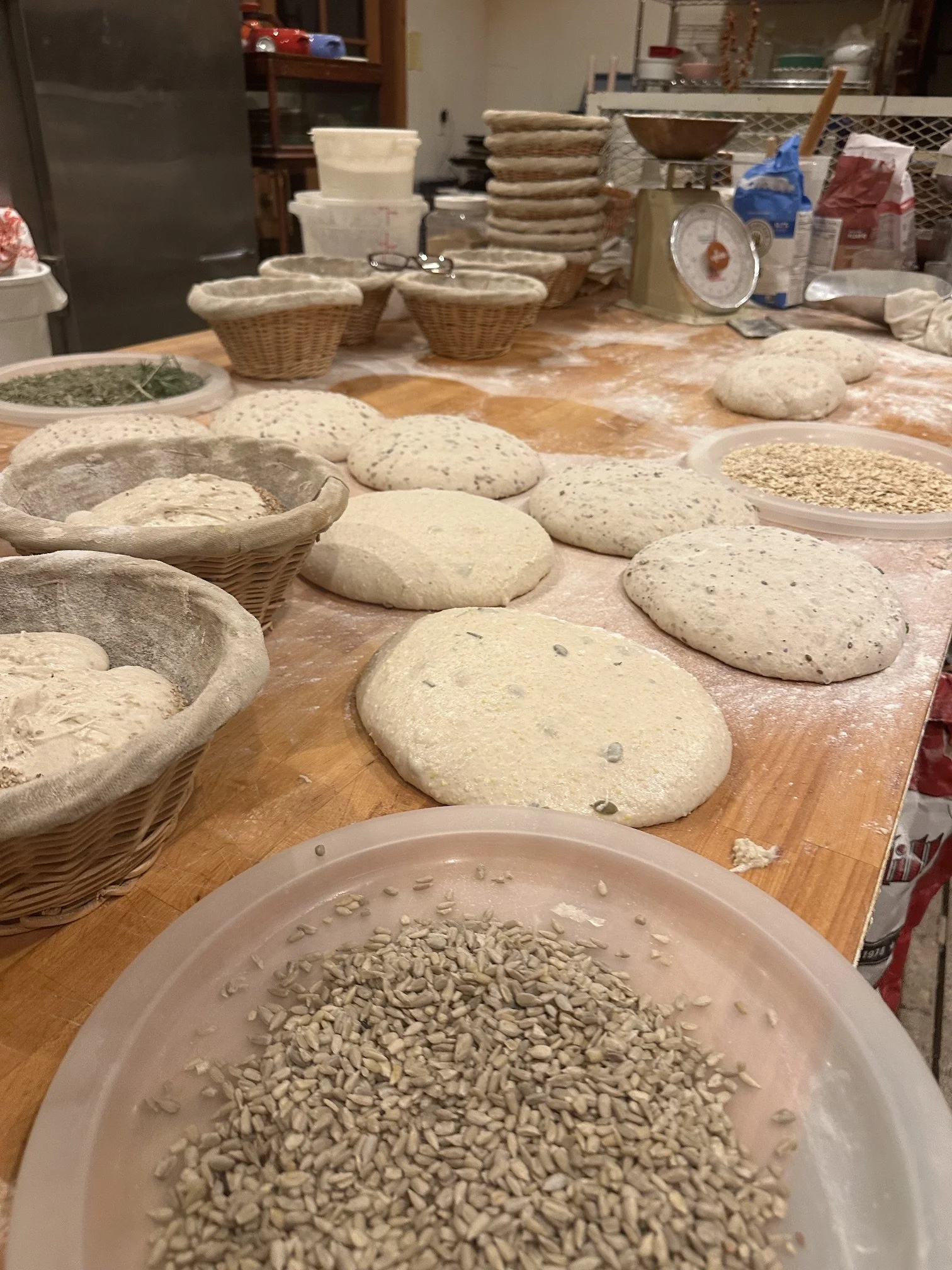
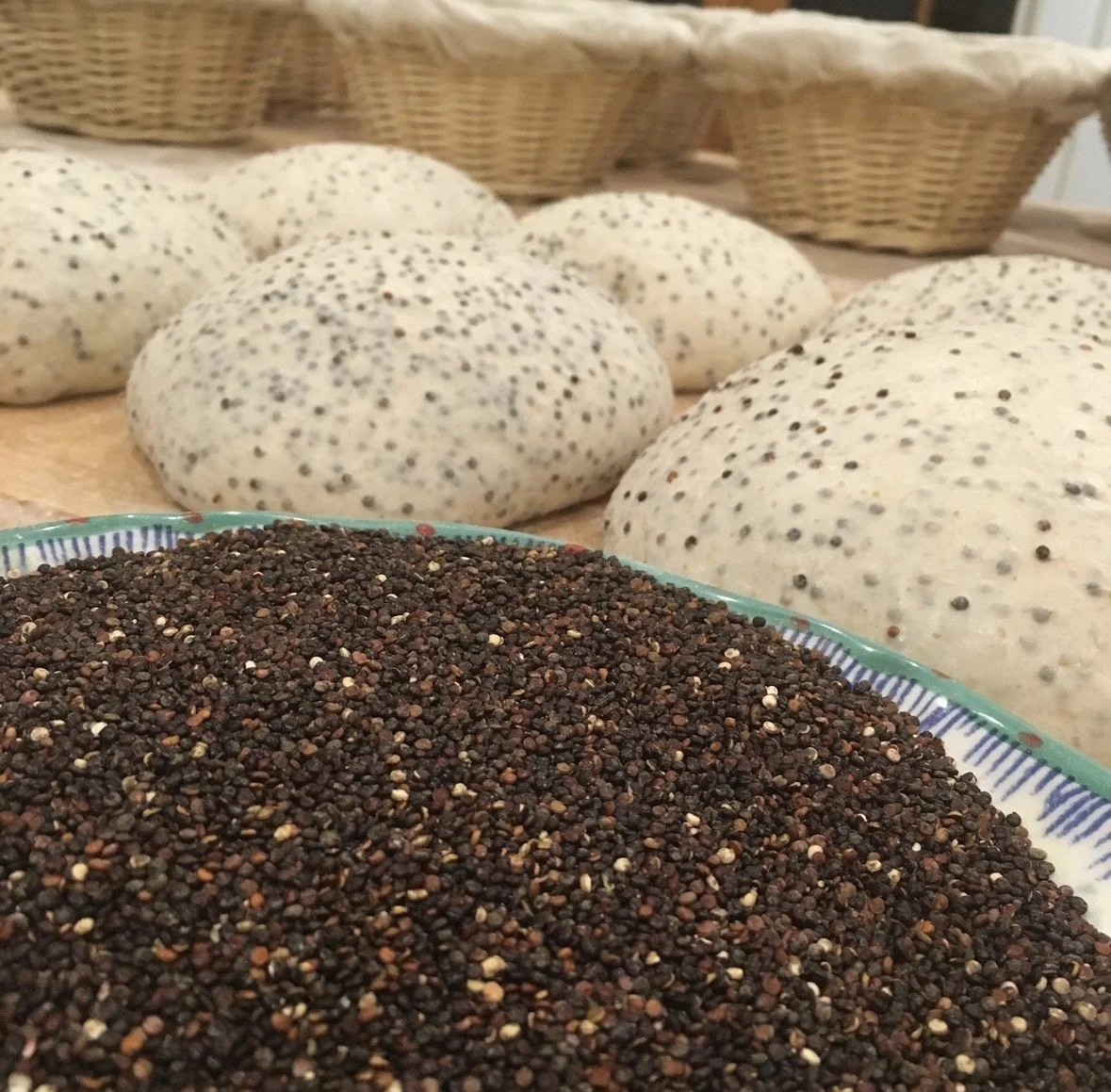
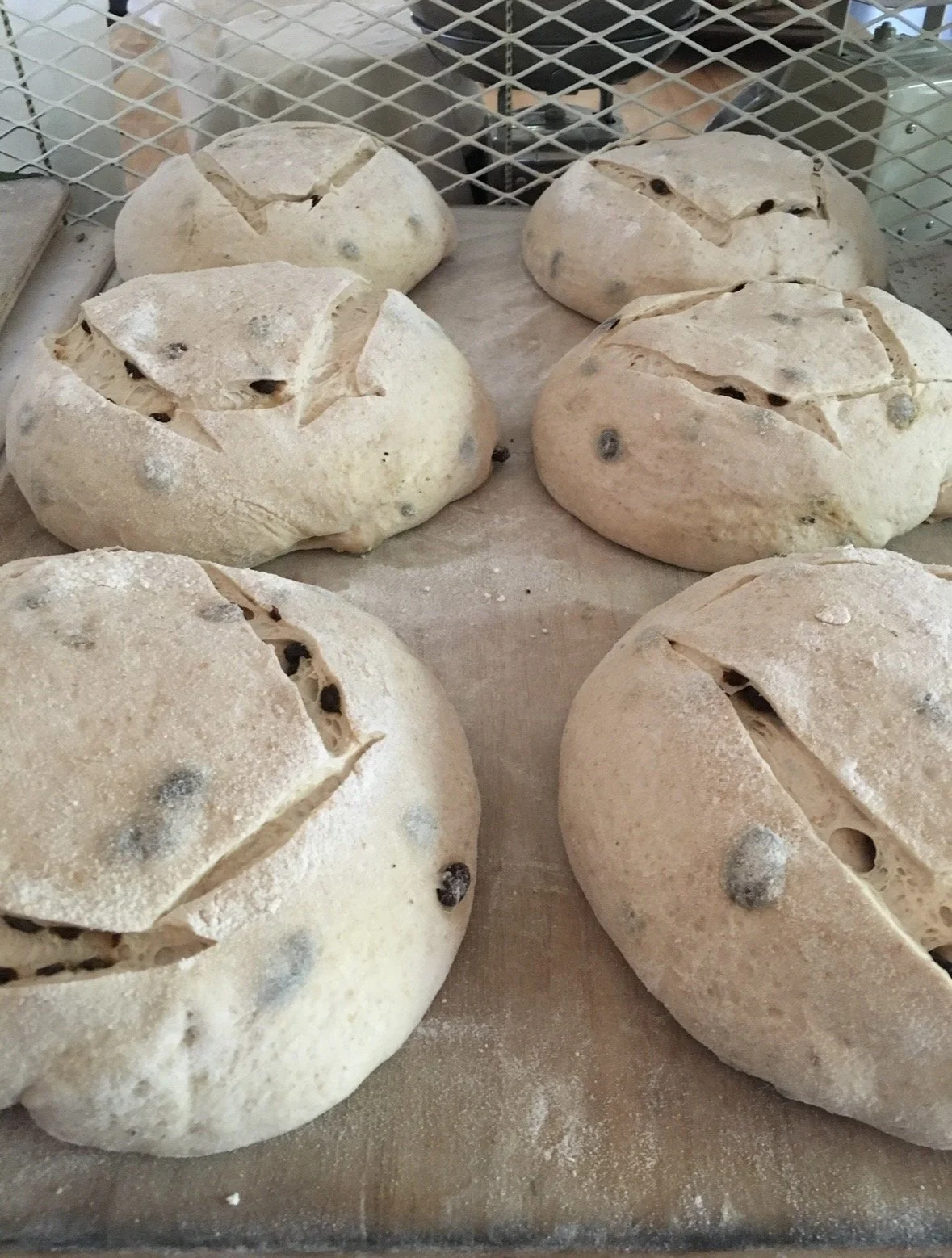
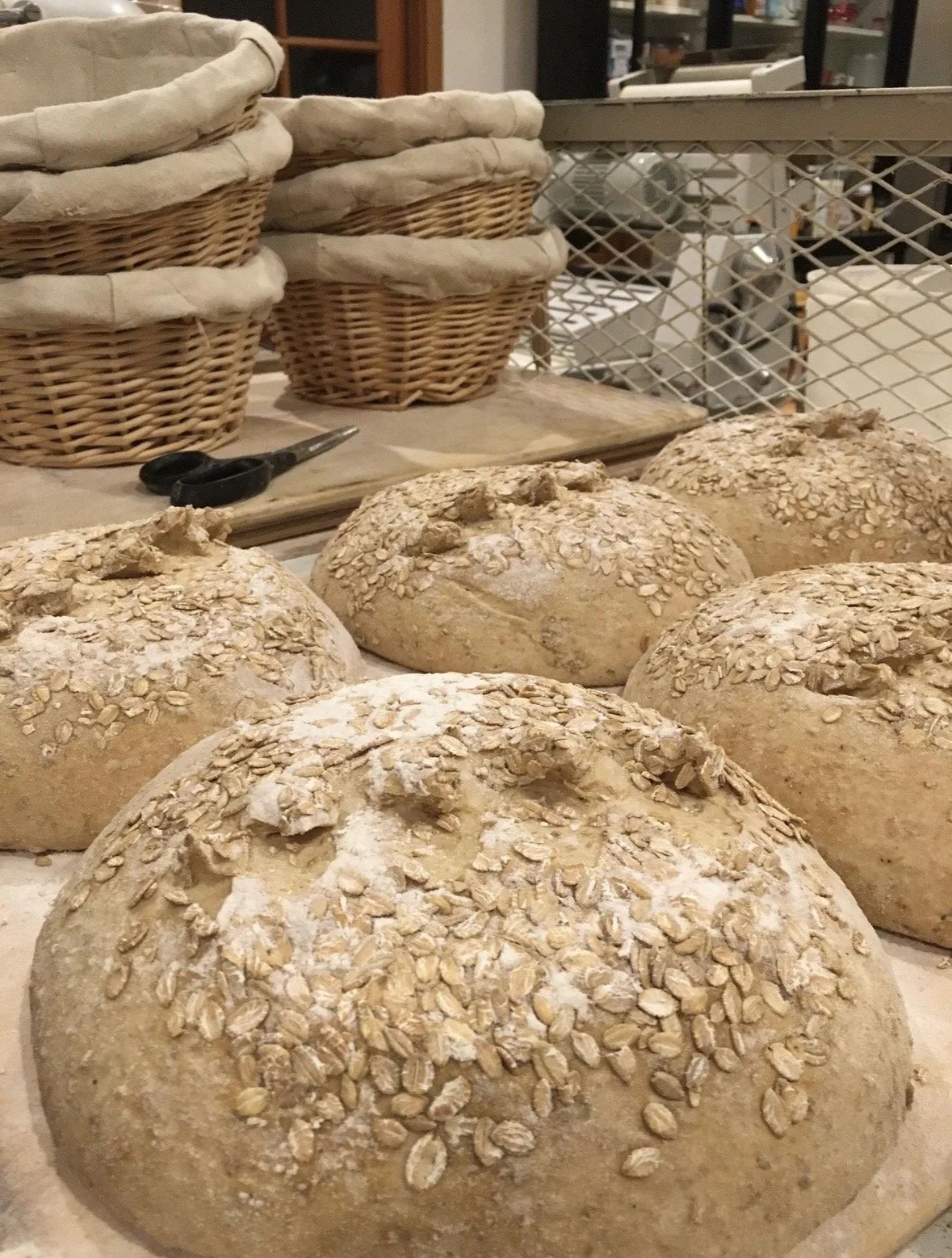
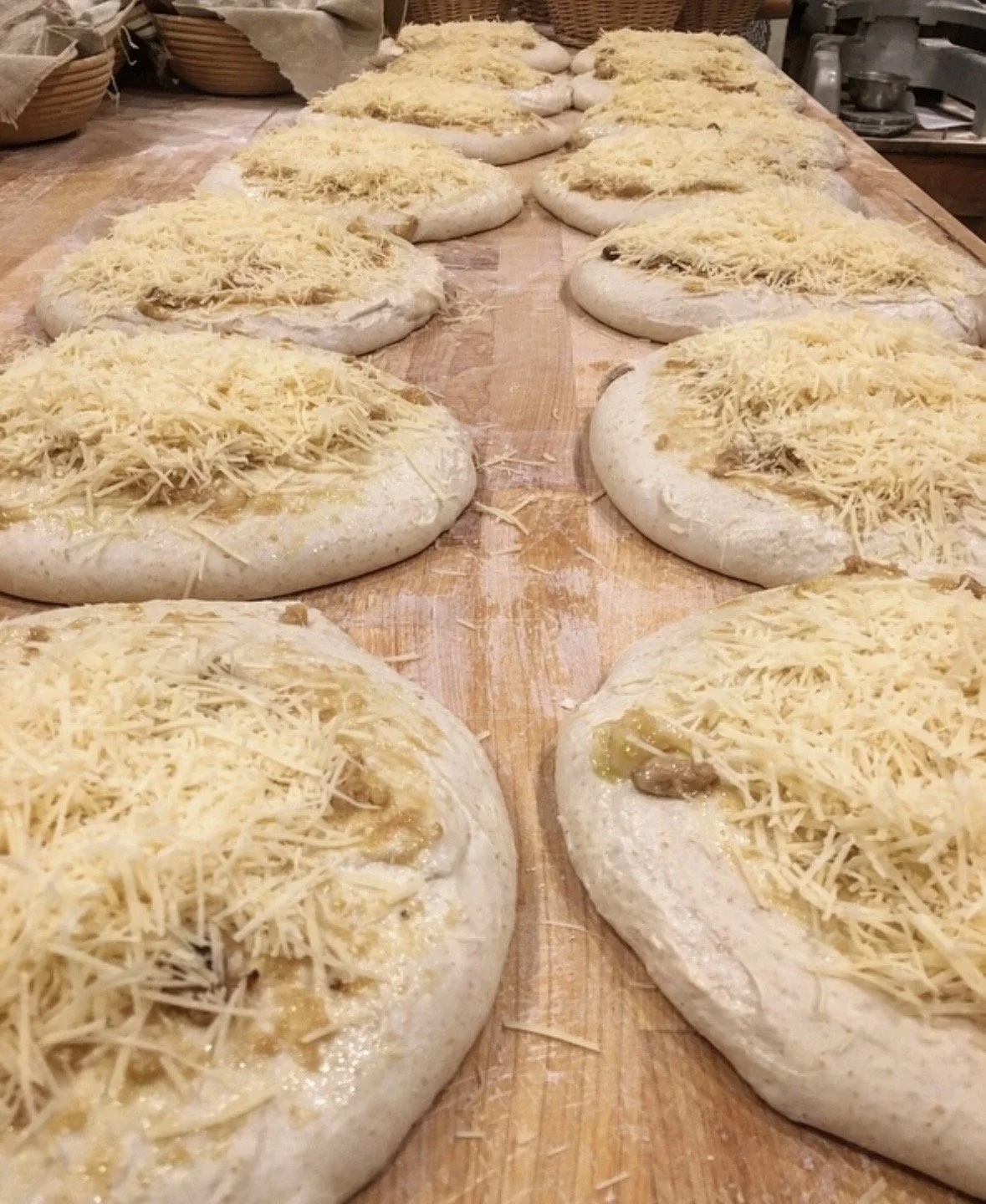
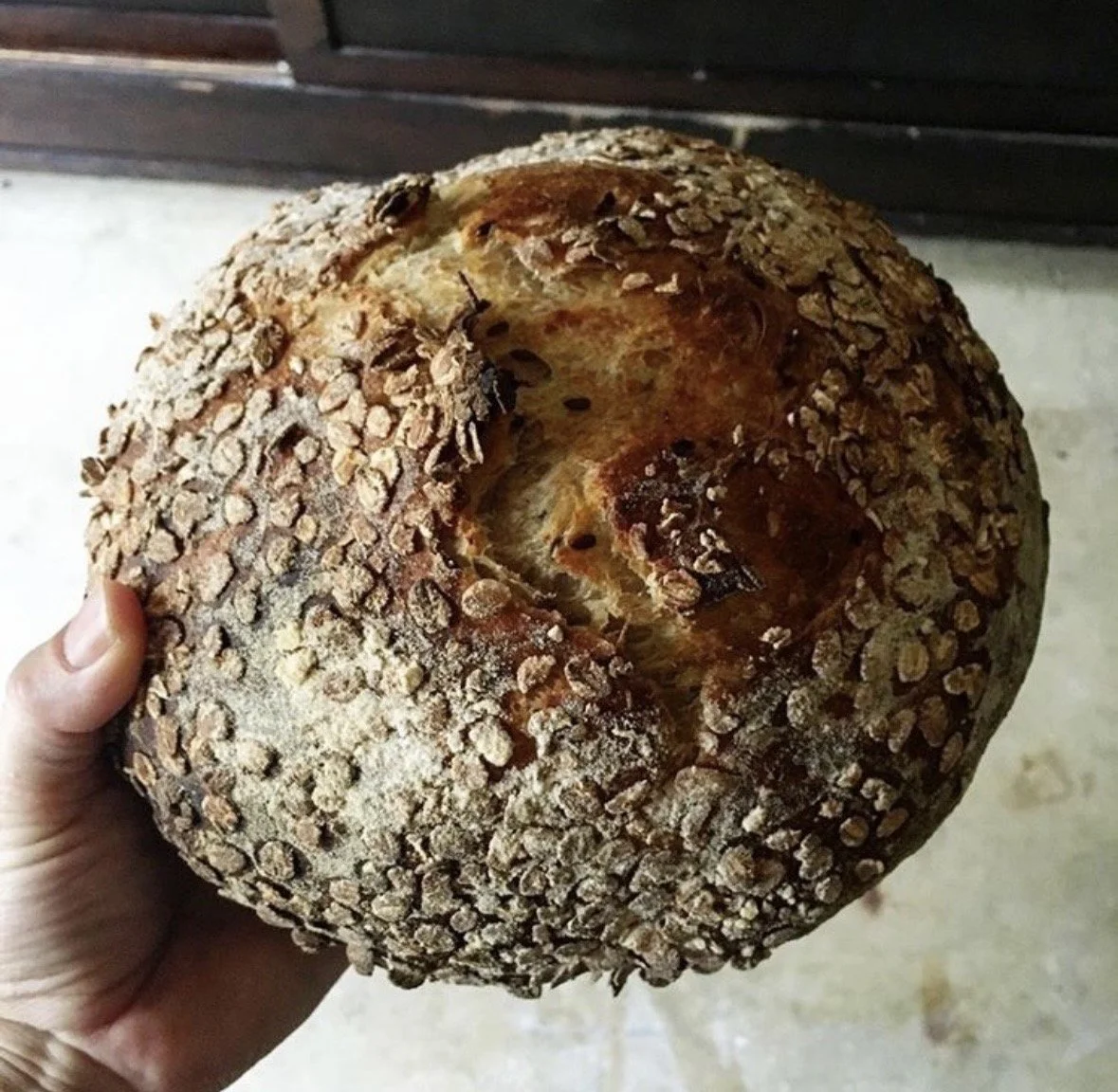
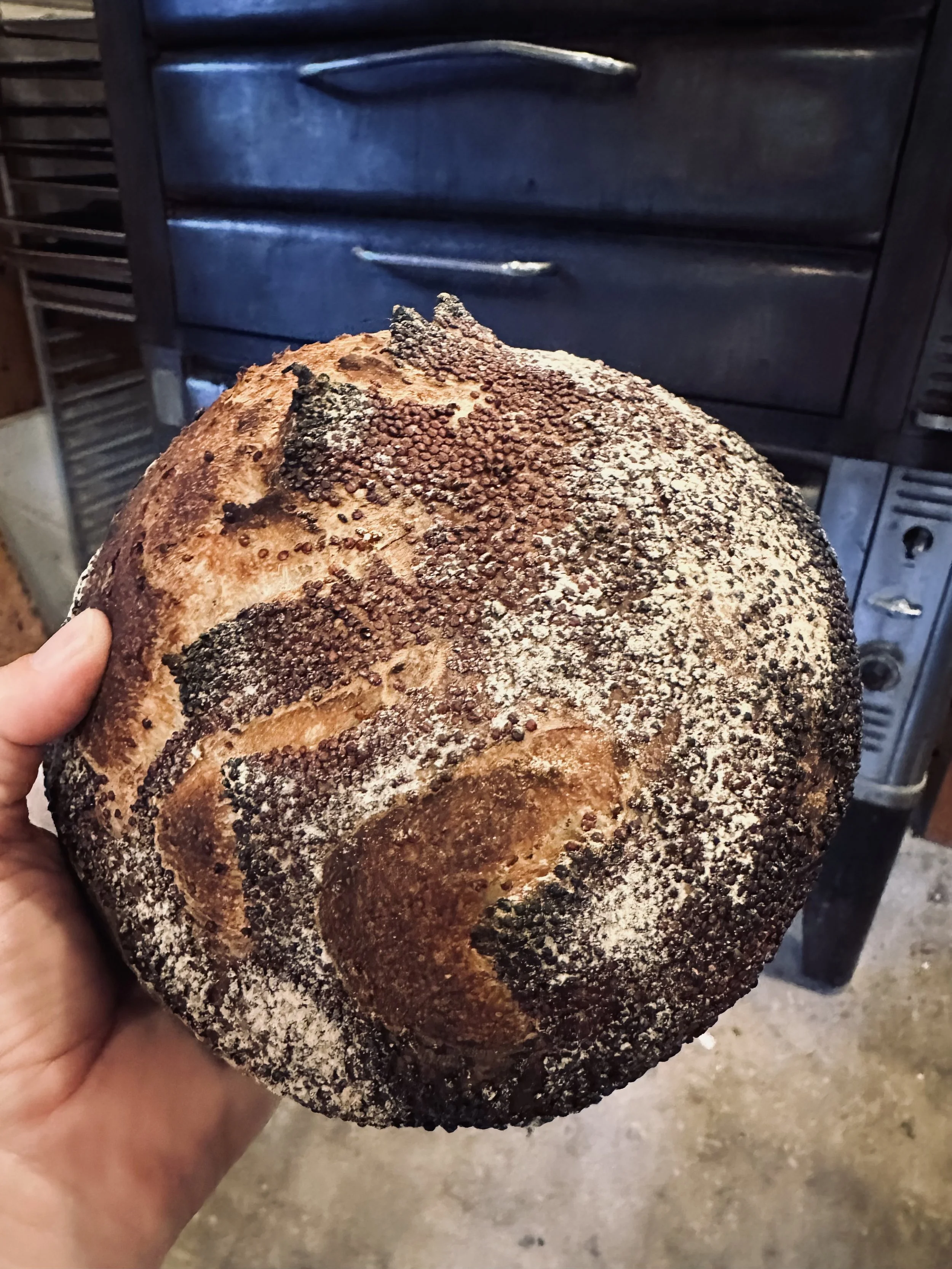
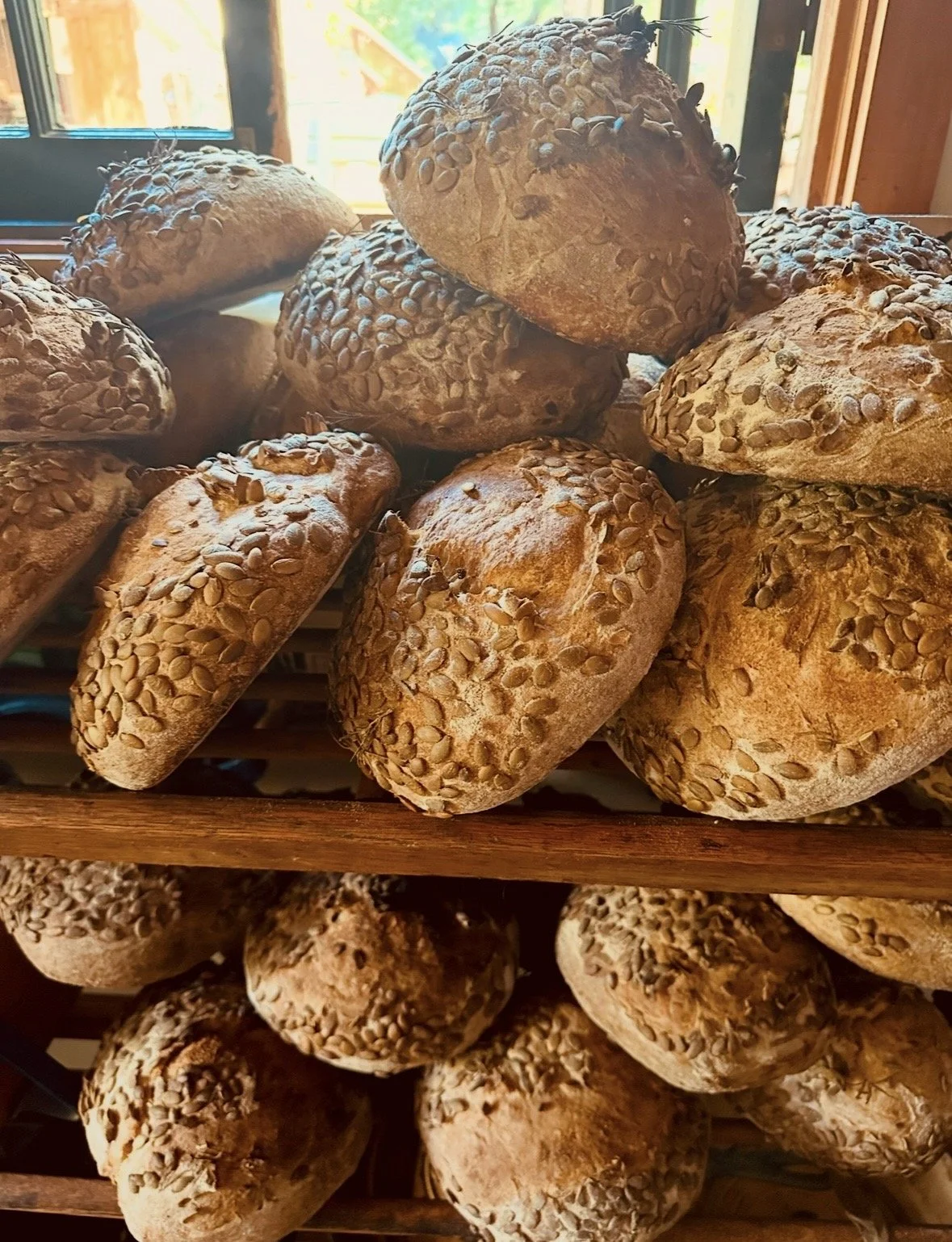
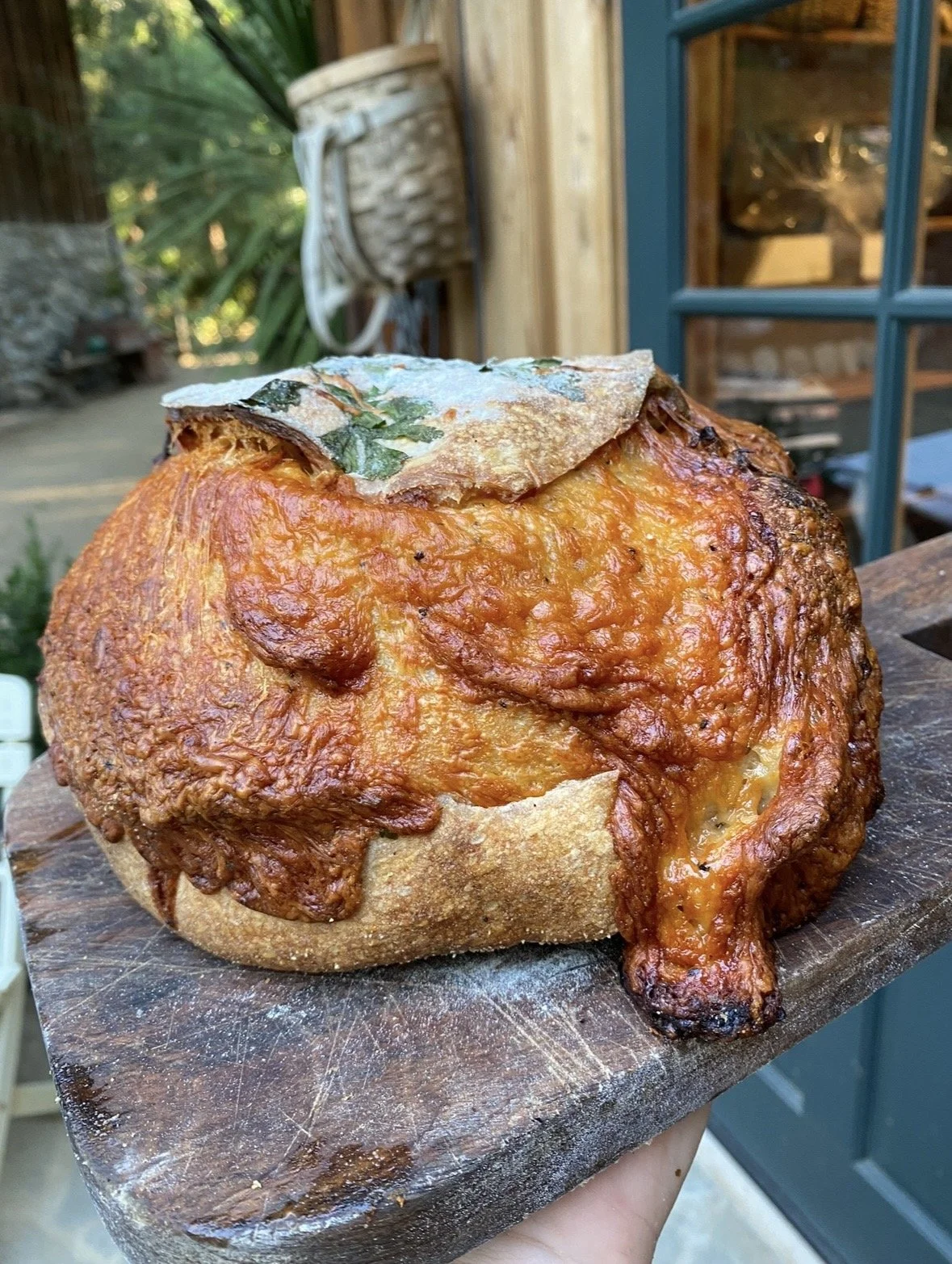
We will be working with a simple Sesame Loaf, a Sunflower Flaxseed Loaf, a Mixed Seed with Caraway, an Oat Porridge Loaf with Flax Seed, a Polenta, Rosemary and Pumpkinseed Loaf and a Sprouted Quinoa Loaf. I will also link you to our other previous mix sourdoughs from a few months back, the Olive Loaf with Herbs and Lemon and the Cinnamon Raisin Loaf. I will give you a formula to a double fermented pumpernickel loaf and walk you through the process of making my tasty Garlic Parmesan Loaf which was forever a hit in my bakeshop on Sundays.
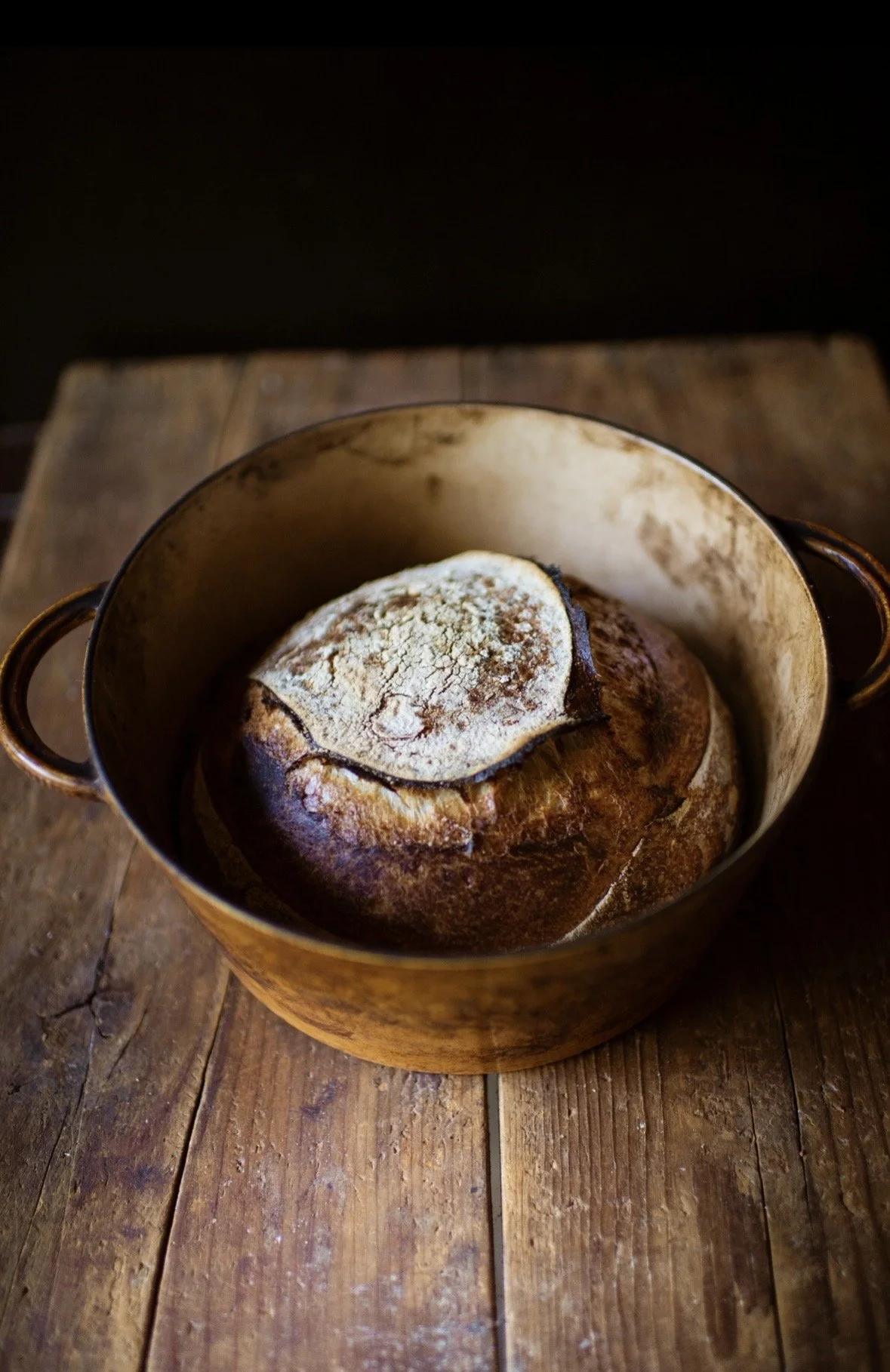
country sourdough
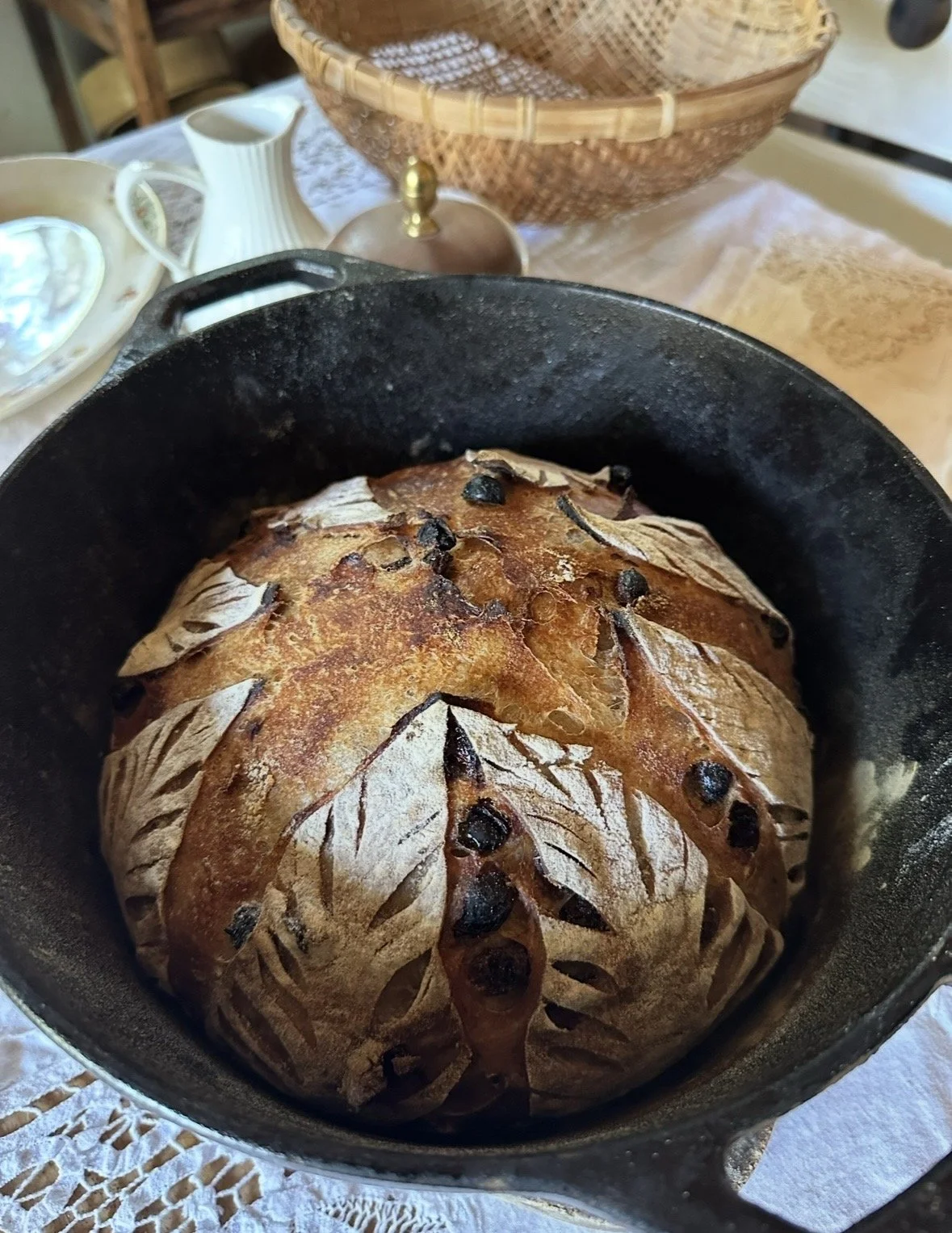
cinnamon raisin
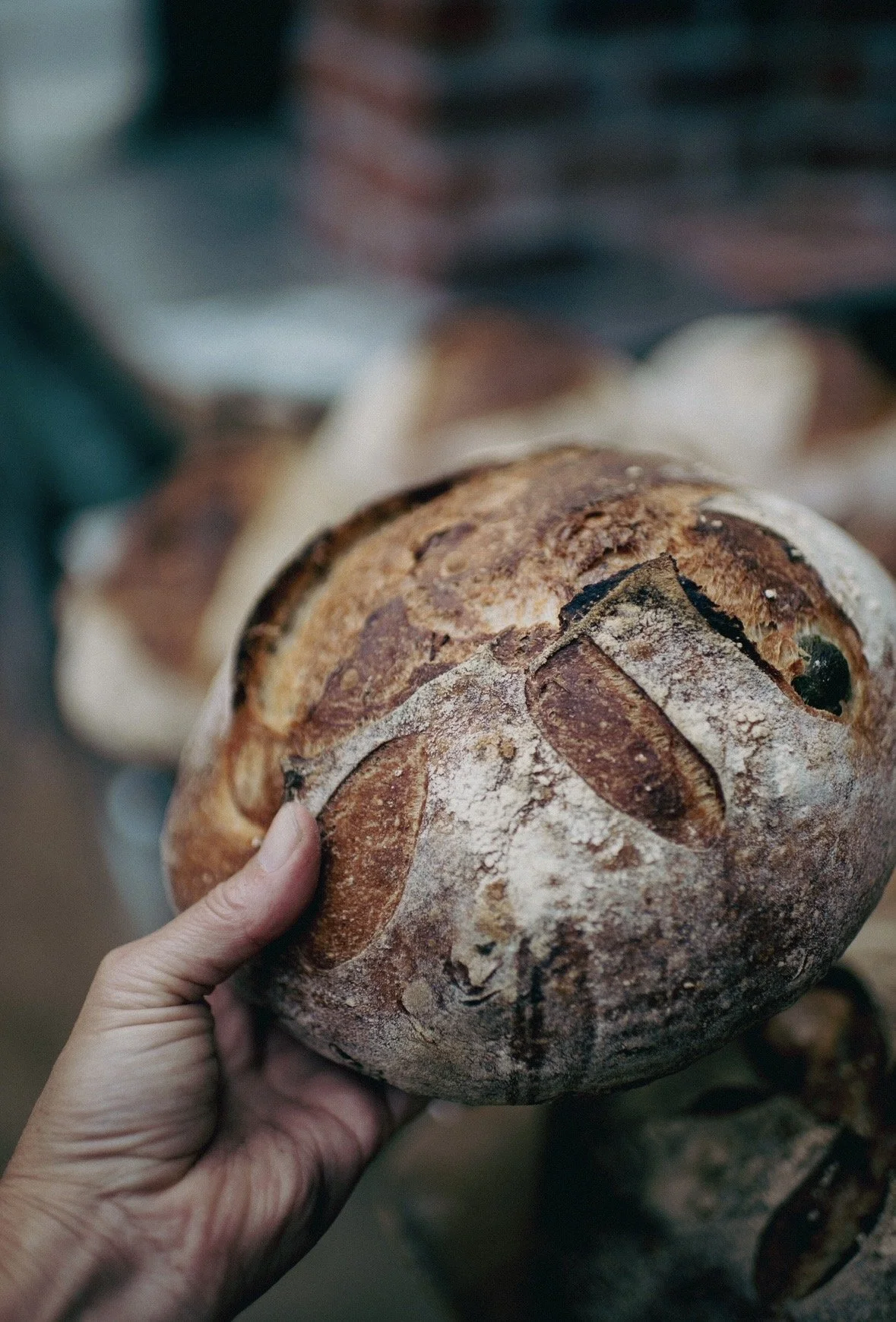
olive, herb and lemon
Some points I would like to address that you might want to take into consideration before beginning.
Hydration:
When you begin mixing things into your dough you will find that some additives have water added, such as porridges or soaked seeds and grains. This will up the hydration in your dough. If you know you are working with a porridge then be careful with how much water you add to your dough at the beginning. It is much easier to add water along the way then to take it away.
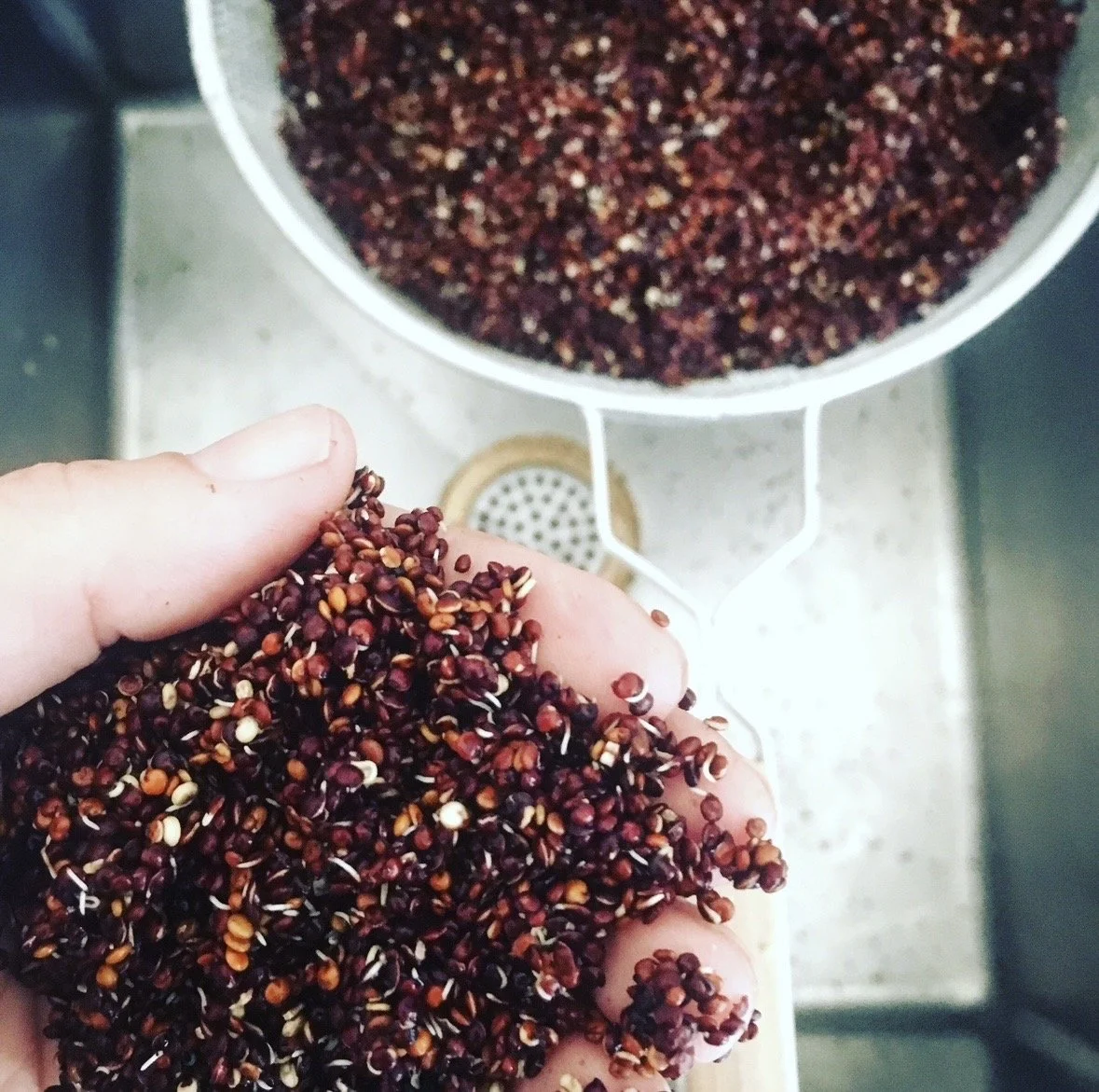
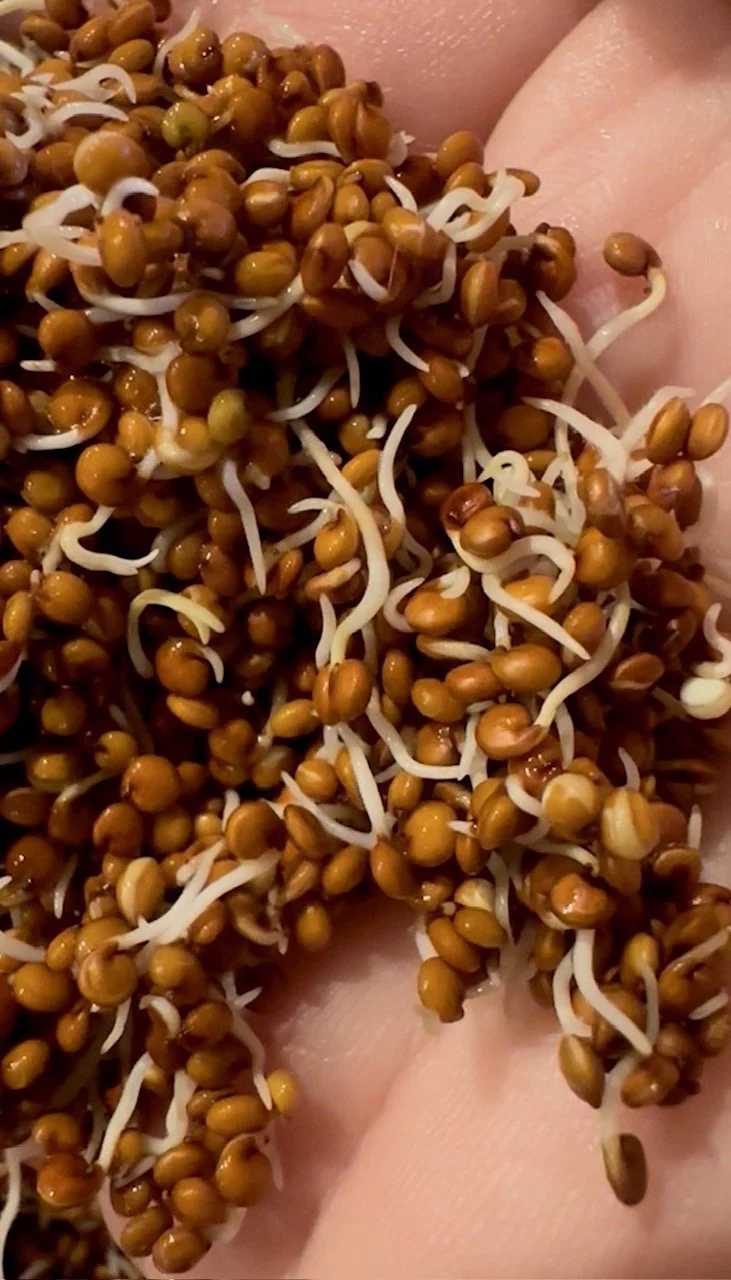
I usually mix in my add ins at around the third turn. I do this because I usually bake in bulk. I can do a bulk mix of country sourdough and scale it out later to do different loaf variations. This makes thinking about hydration important because the dough will be effected later on. If you are only making a couple of loaves and doing only one variation, you can often mix in any added porridge or soaked grains into the initial mix. I would not do that with seeds, olives or sprouted grains, but you could with porridge. Porridge tends to be the most hydrated add in, so this could work well in gauging your hydration at the beginning of a mix.
If you are soaking raisins, make sure to squeeze the water out. If you are mixing in olives, make sure to squeeze the liquid out.
Temperature:
Often times when prepping out your add ins, you might have to cook them or add boiling water. This is the case with porridges. It is also the case when soaking your polenta or flax seed. You must cool these add ins before mixing them into your dough. If they are boiling, they could effect the yeast in the dough and if they are too warm they might speed up your fermentation. Now, if you find that your dough is sluggish or too cold, it could benefit from a warm add in. In this case, you can manipulate the progress of your dough by the temp of your addition.
These are just a few things to have in the back of your head while working your dough.
Sourdough variations
〰️
Sourdough variations 〰️
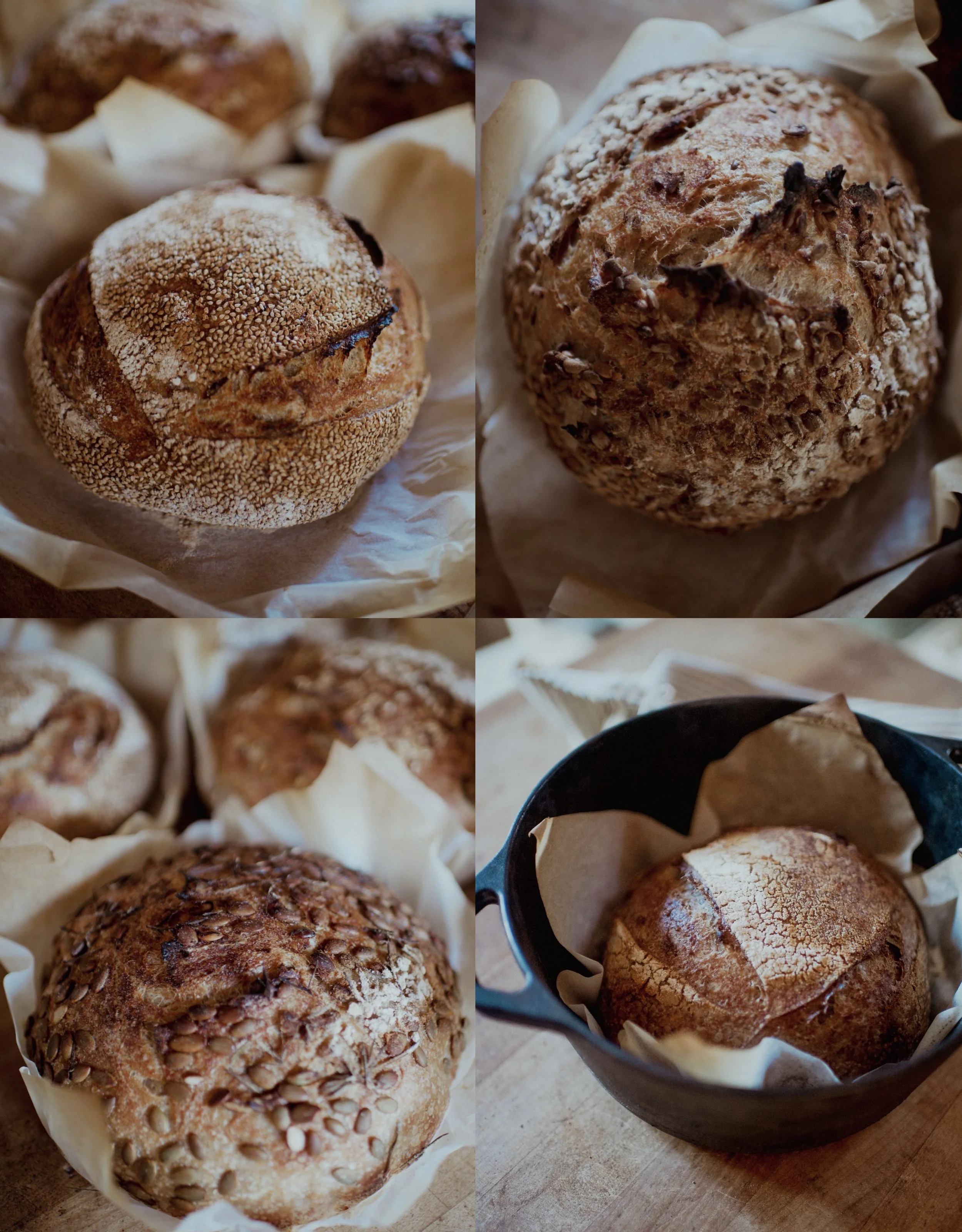
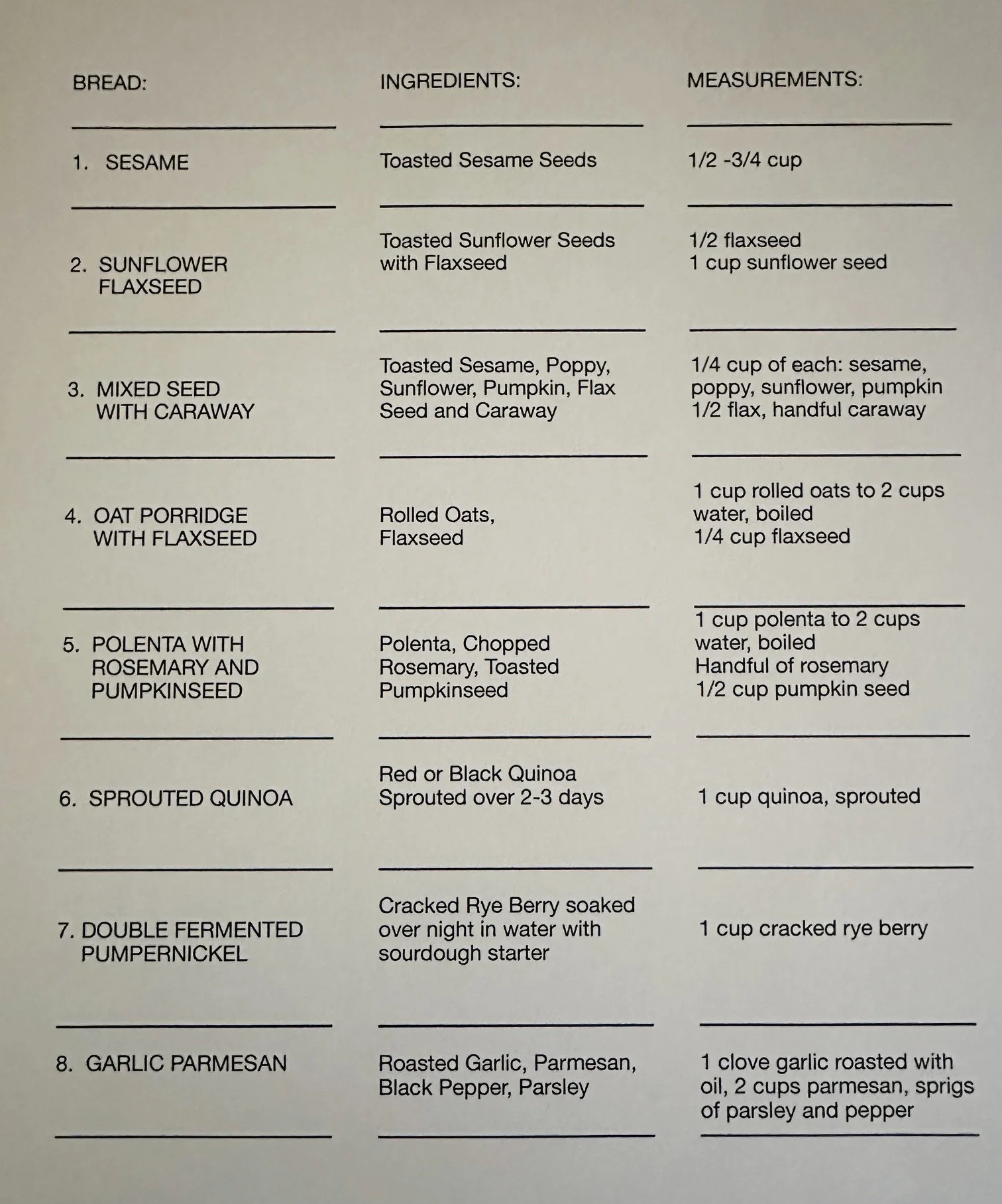
Above is a list of different options for add ins. The measurements are estimations based on a single batch of country sourdough that produces two 1000 g loaves. In addition to what is mentioned above, you will also need extra seeds and grains for topping your loaves if you want a textured crust. These are estimations because I want to give you a starting place, but ultimately you will experiment and find what measurements work best for you and your bread. You can change things up, throw things in, adjust to your liking.
PREPPING OUT YOUR ADD INS:
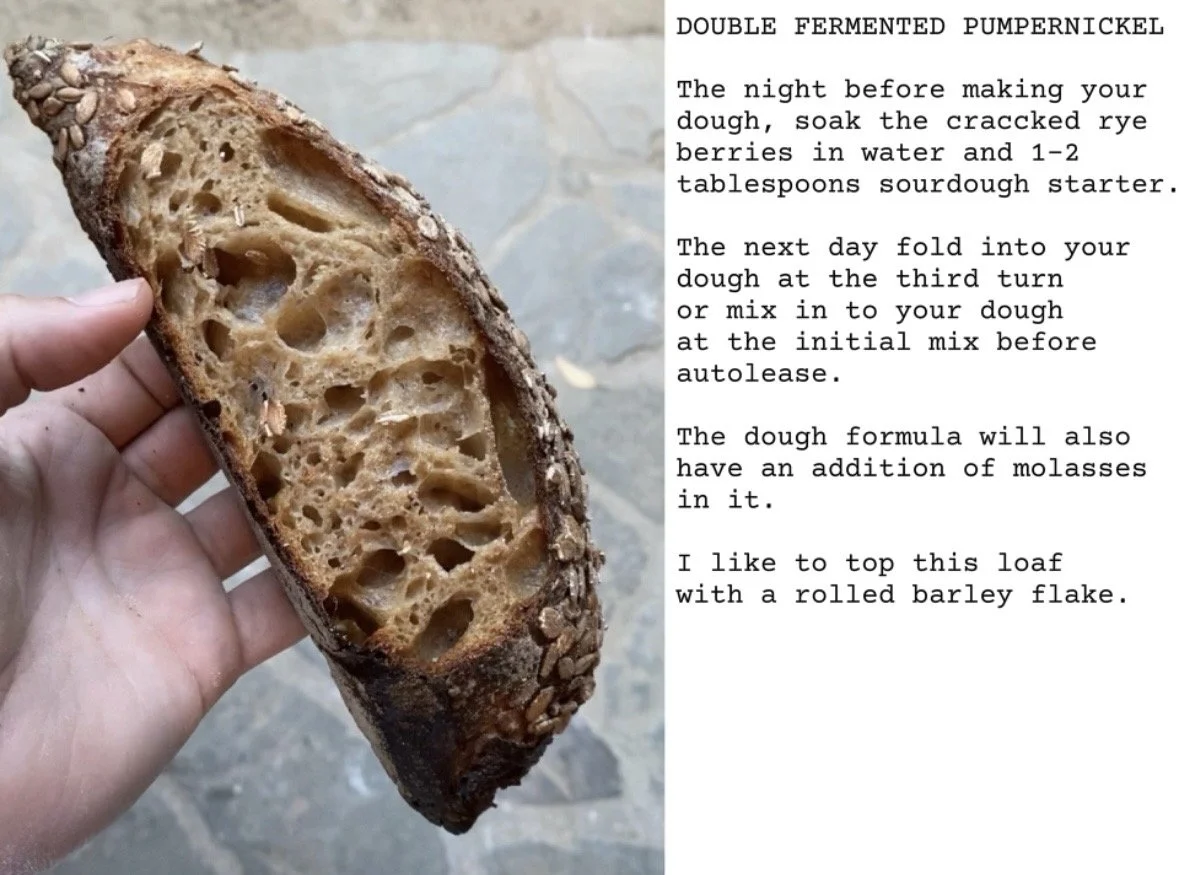
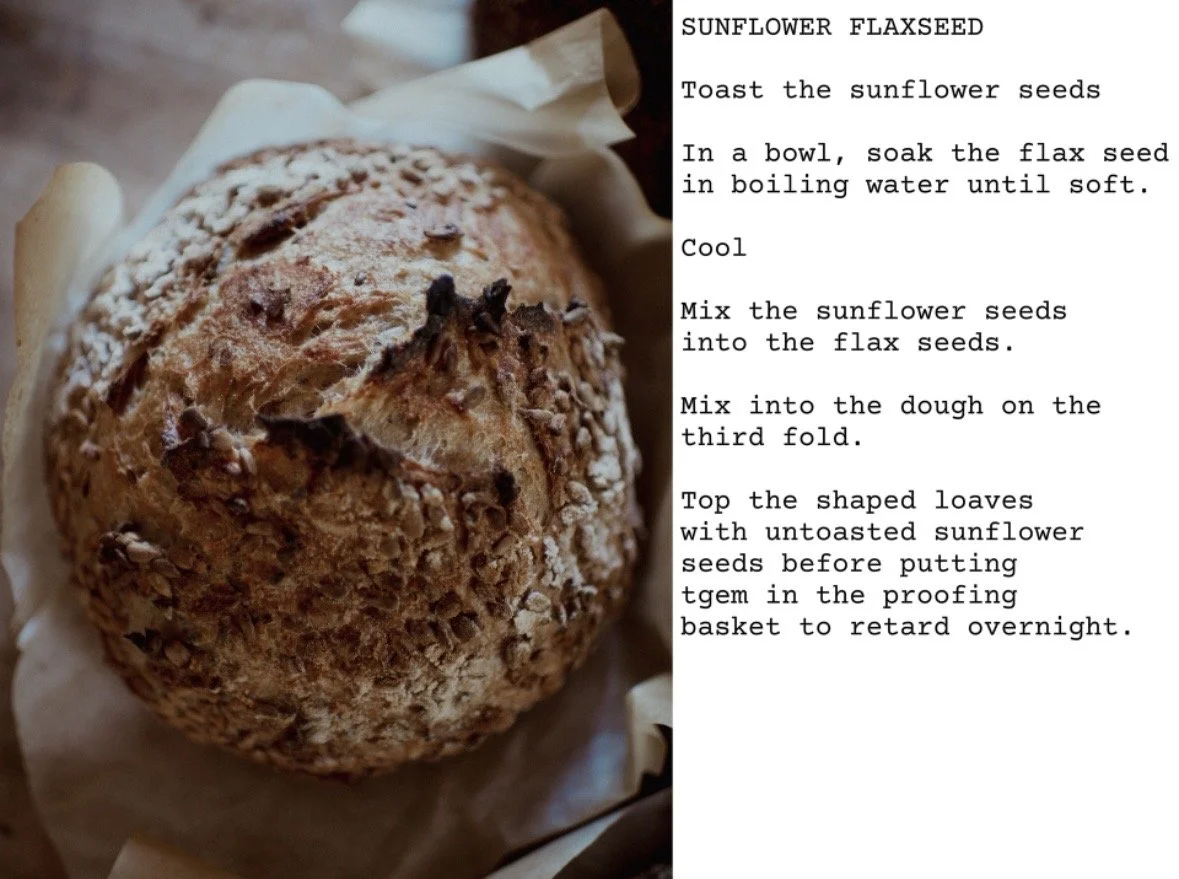
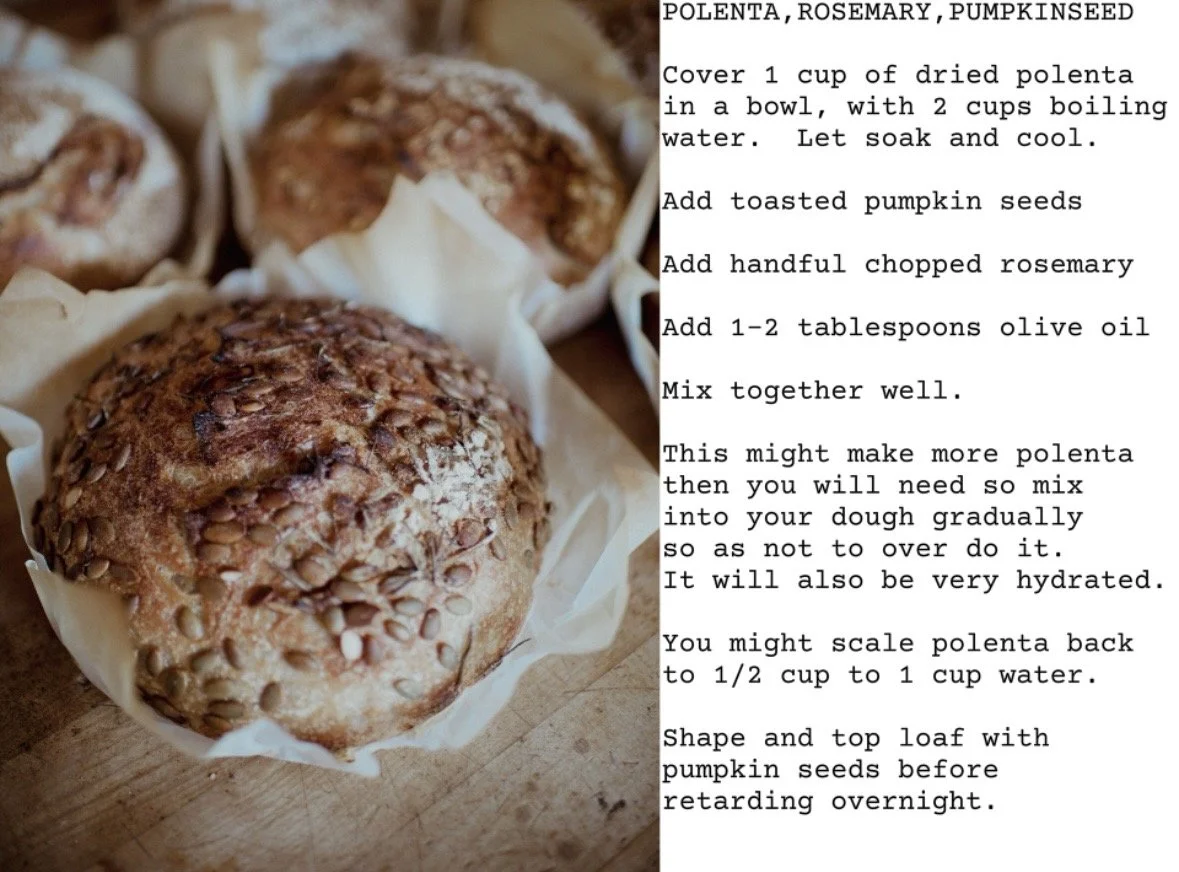
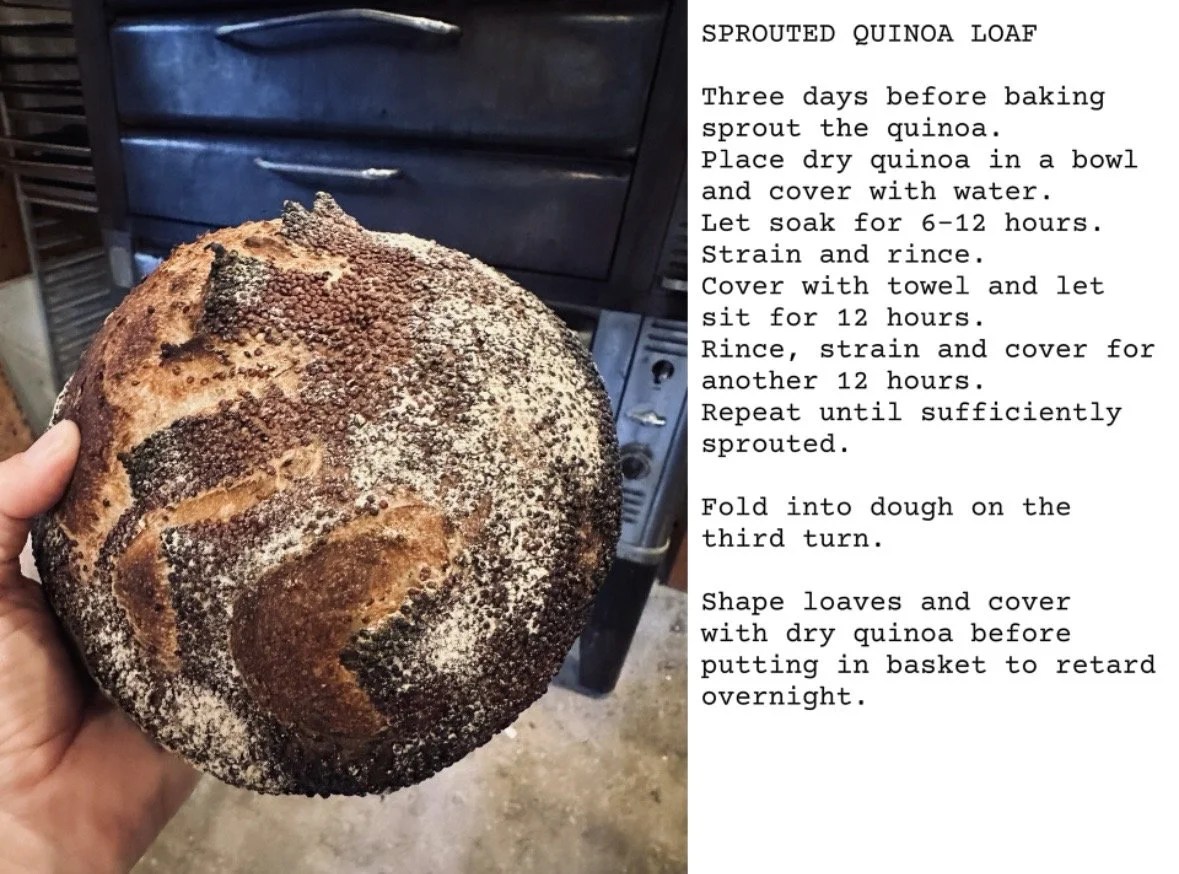
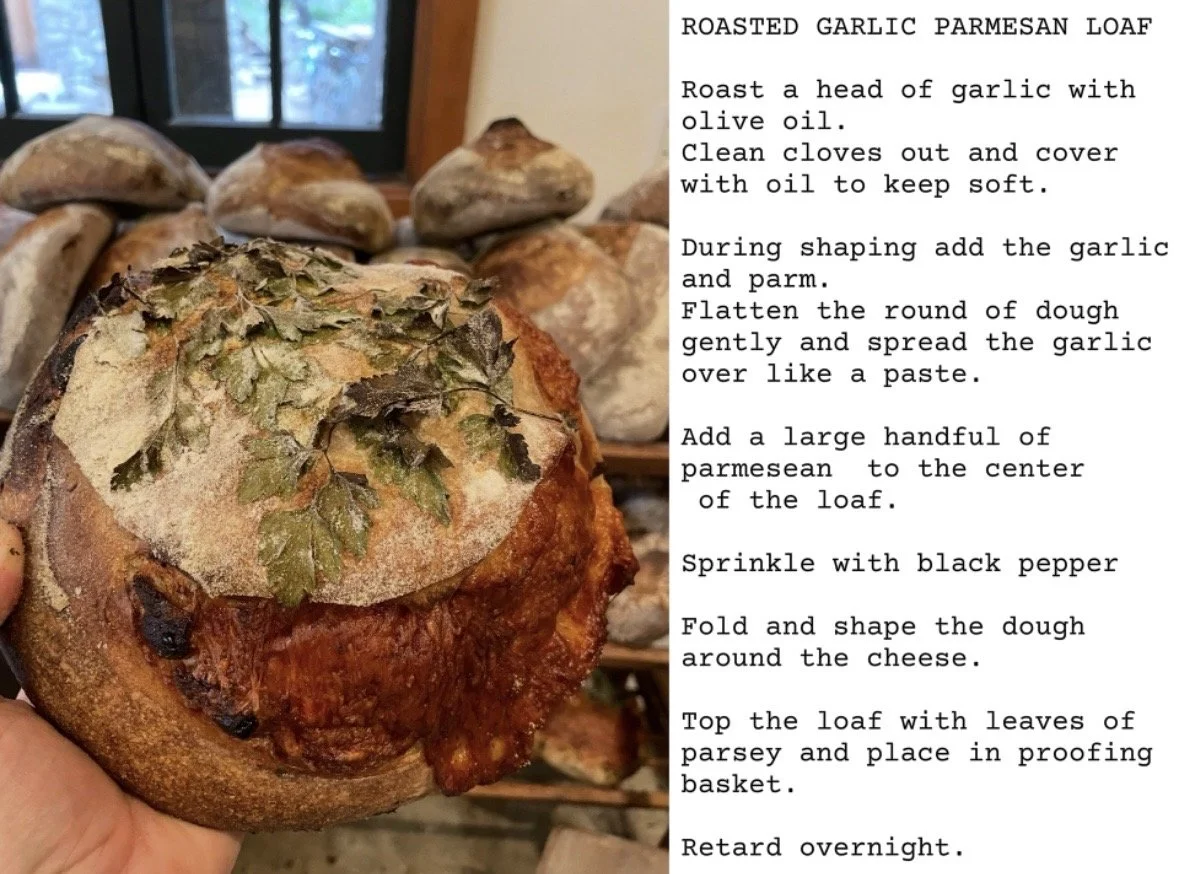
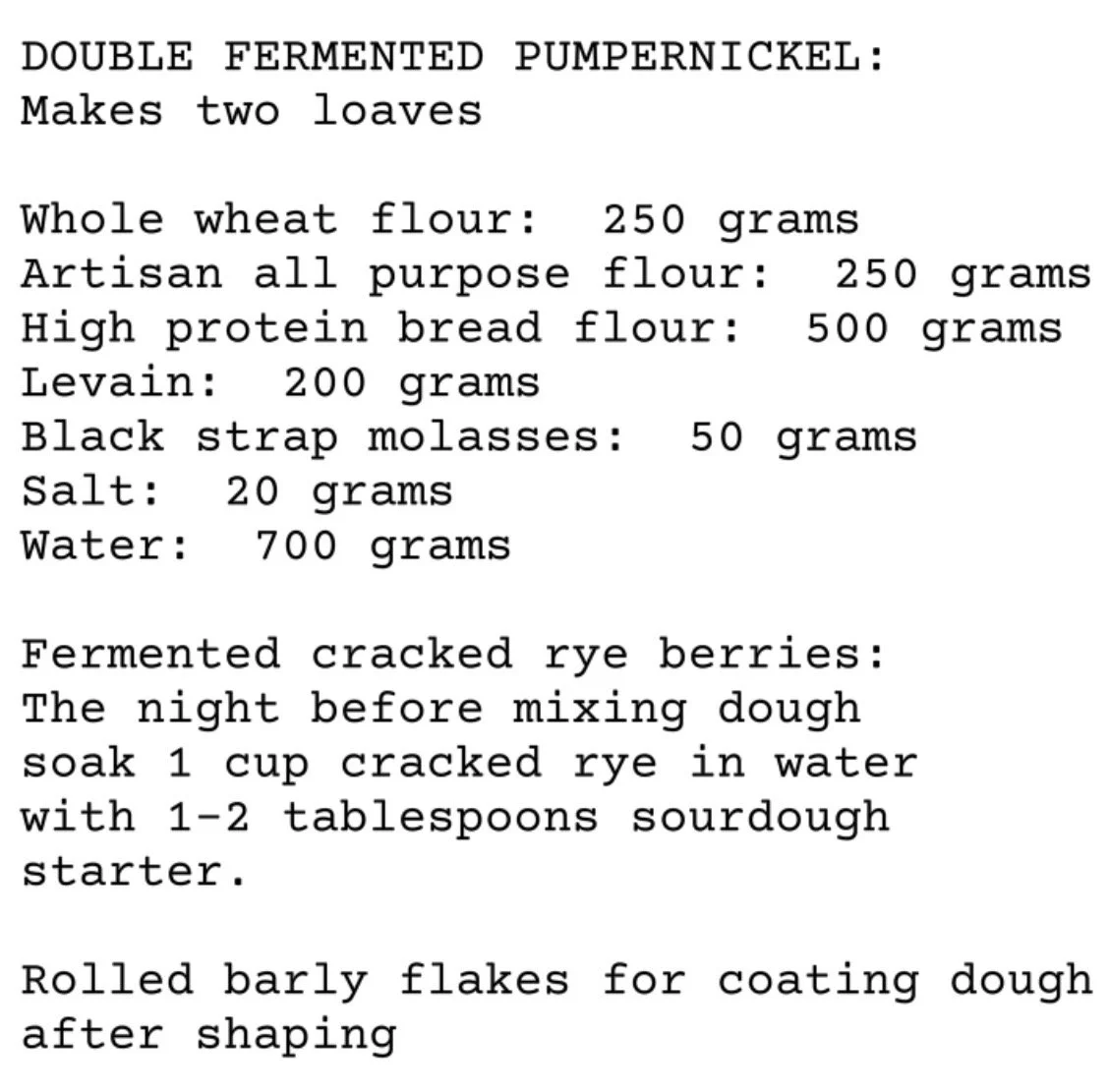
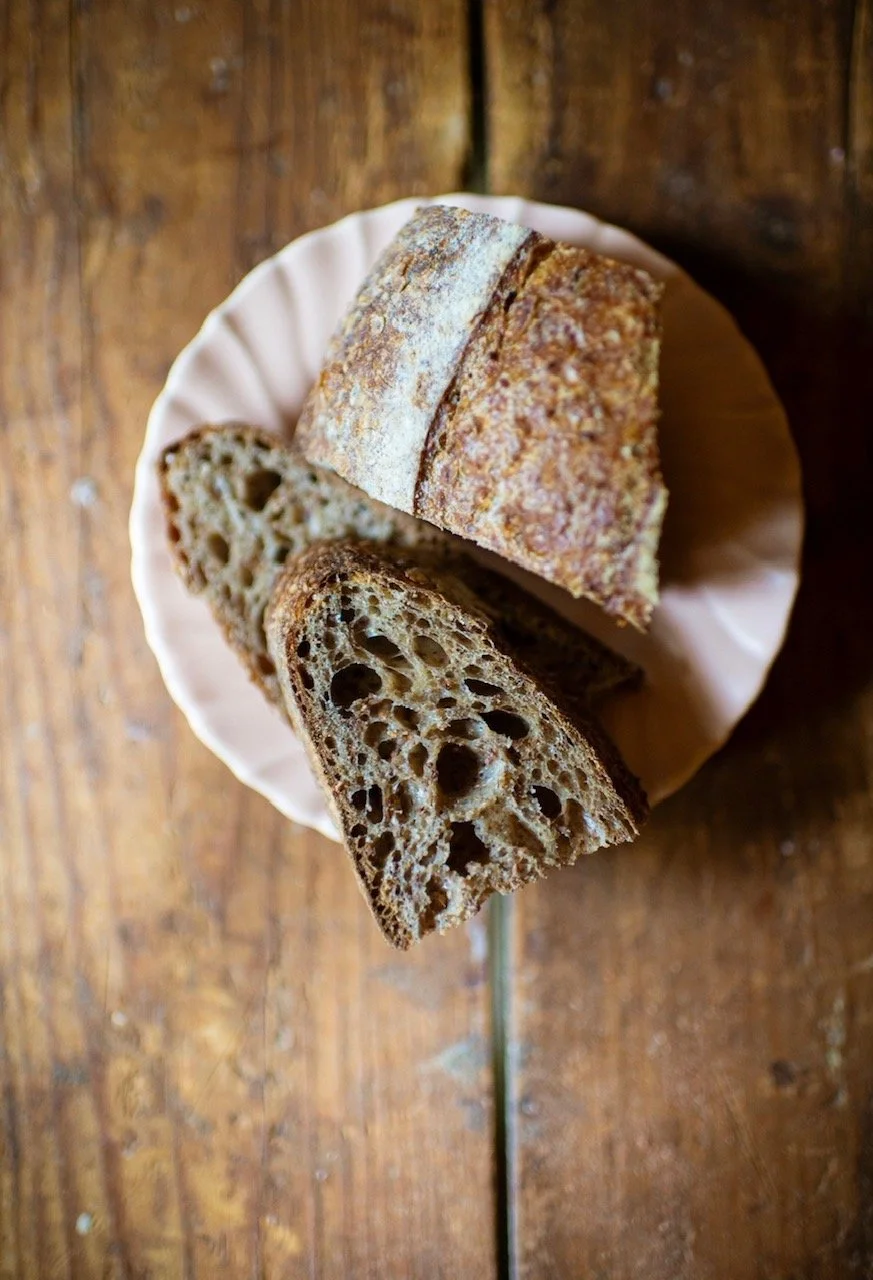
DOUBLE FERMENTED PUMPERNICKEL: A QUICK FORMULA: 2 LOAVES
PROCESS:
Soak the cracked rye berries in water and sourdough starter the night before you mix your dough.
Seven hours before mixing your dough, mix you levain with 200 grams warm water, 1-2 tablespoons sourdough starter, 100 grams artisan all purpose flour, 100 grams whole wheat. Cover and let ferment. It is ready when you drop a spoonful in water and it floats.
Mix dough: Water, levain, molasses, flours
Autolyse 20-30 minutes, then add salt.
Follow normal country sourdough turn and fold process every 30 minutes, for five turns, with your salt mix in counting as your first turn. At you third turn spread the fermented cracked rye berries into the dough. Make sure you squeeze out the extra liquid before mixing in so as not to over hydrate the dough. After the fifth turn let you dough rest one hour before shaping.
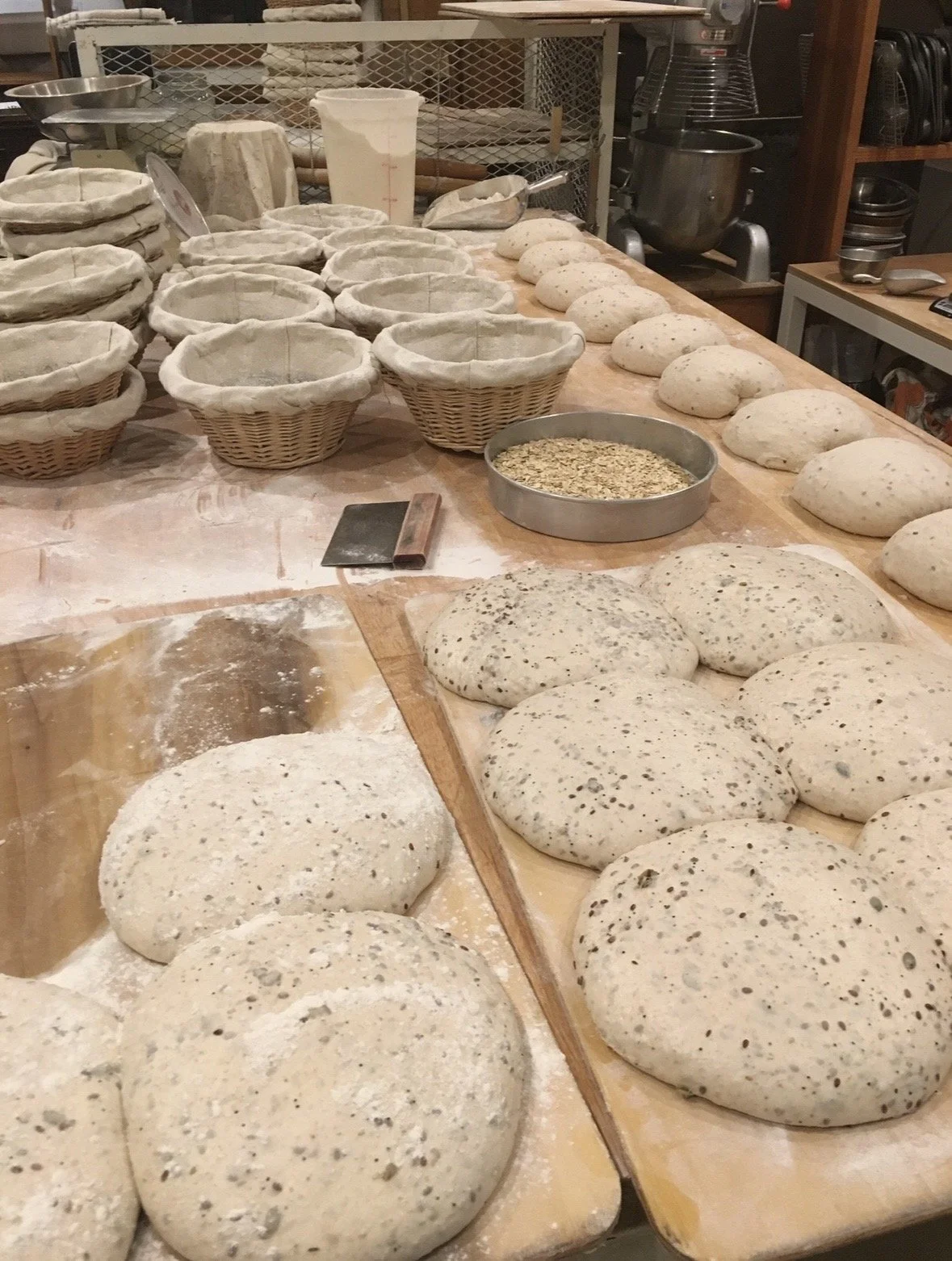
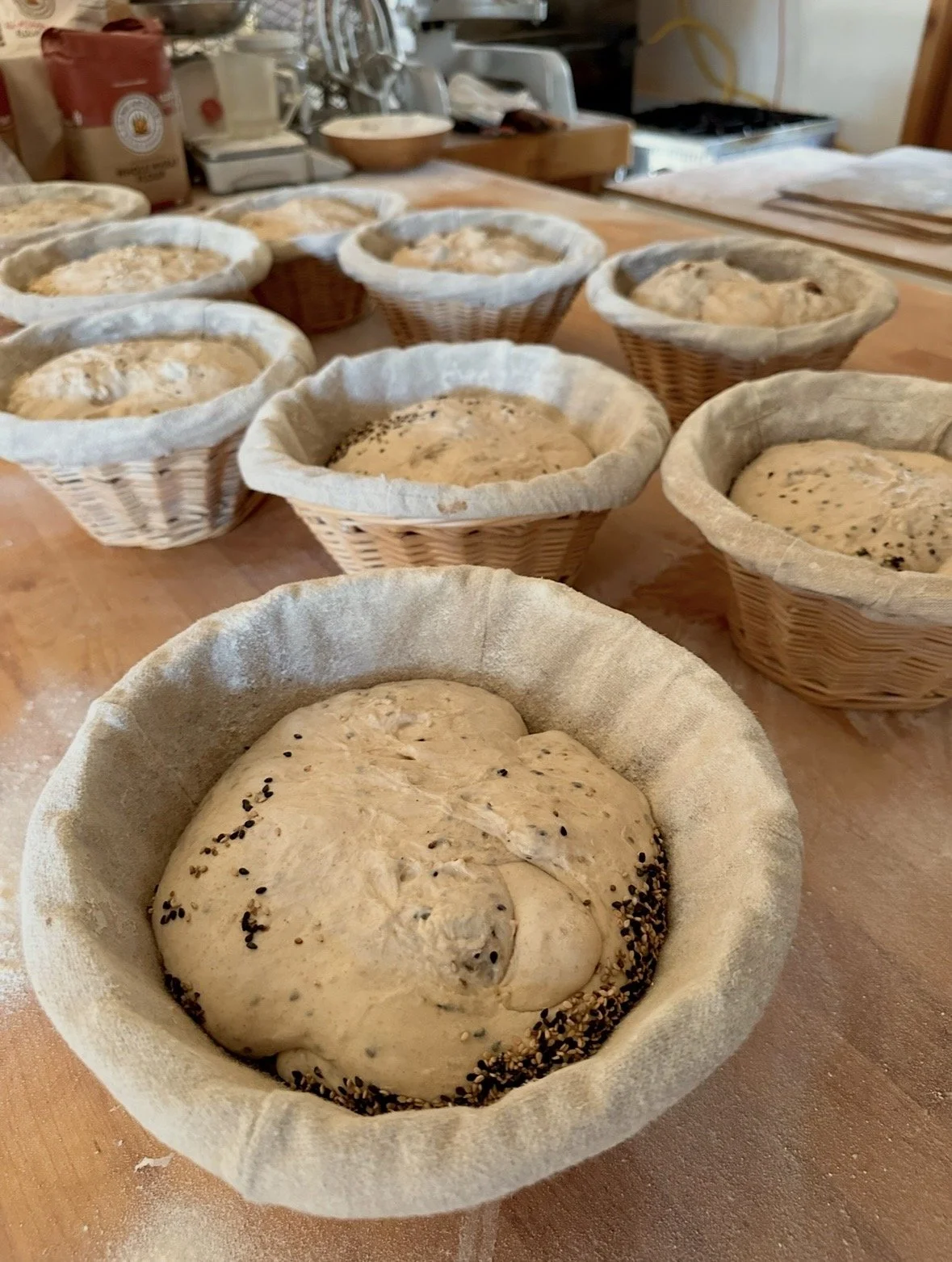
Follow the shaping process of your regular country sourdoughs and mix in doughs. You will coat the top of this loaf with a rolled barley flake before put it in the basket to proof over night.
Bake the next morning
video tutorials
〰️
video tutorials 〰️
wild ojai sourdough
〰️
wild ojai sourdough 〰️
Wild ojai sourdough
WITH WILD HARVESTED BUCKWHEAT AND FENNEL FROM THE BACK HILLS
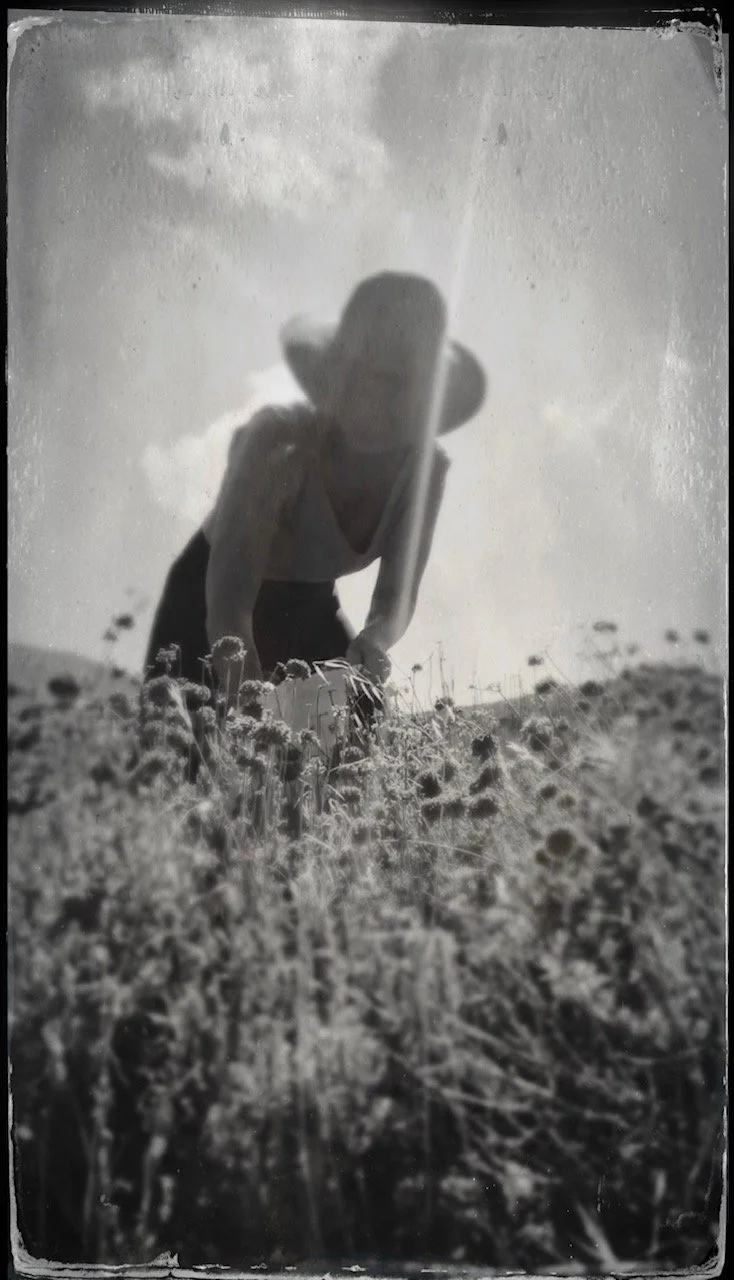
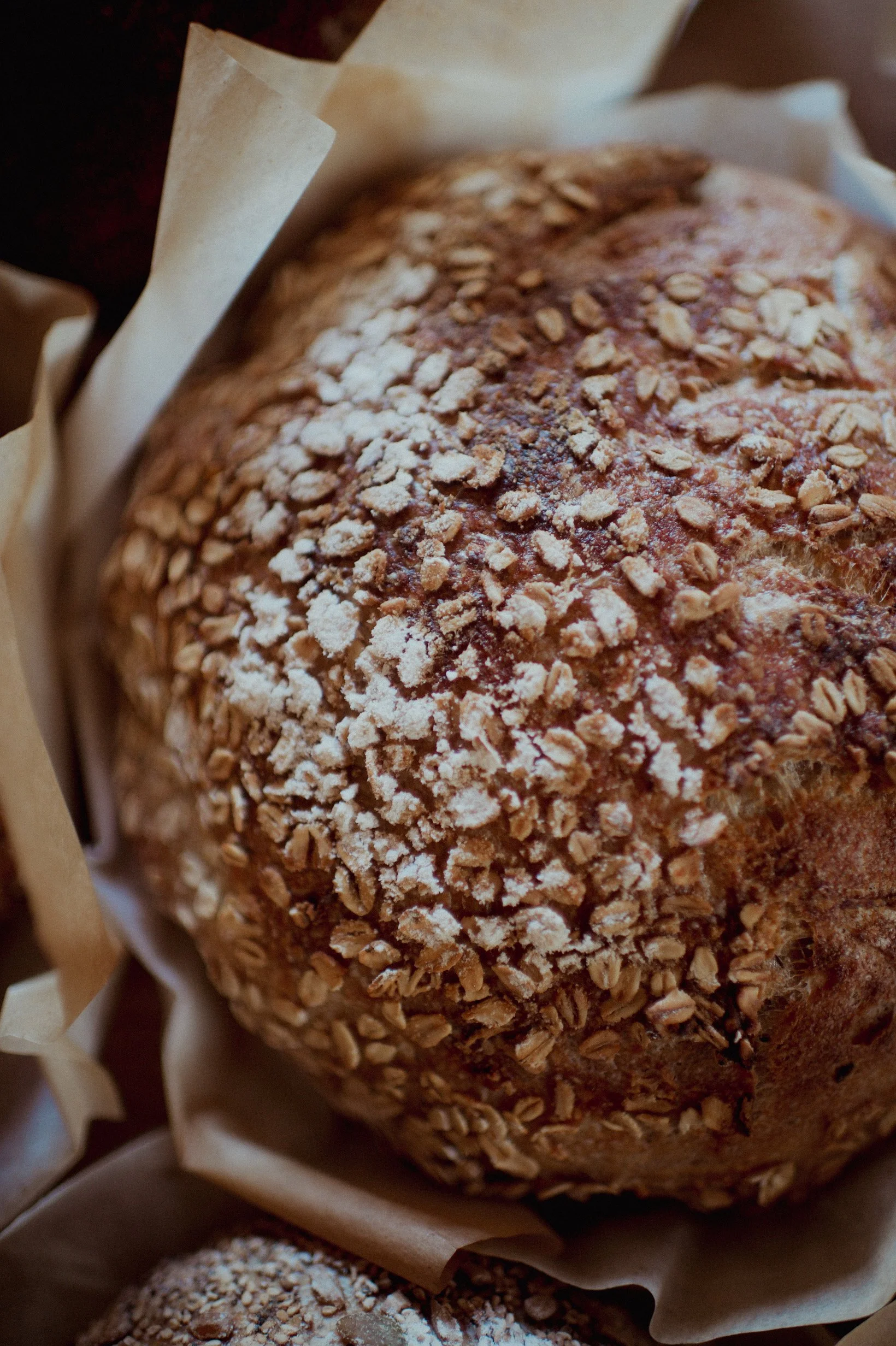
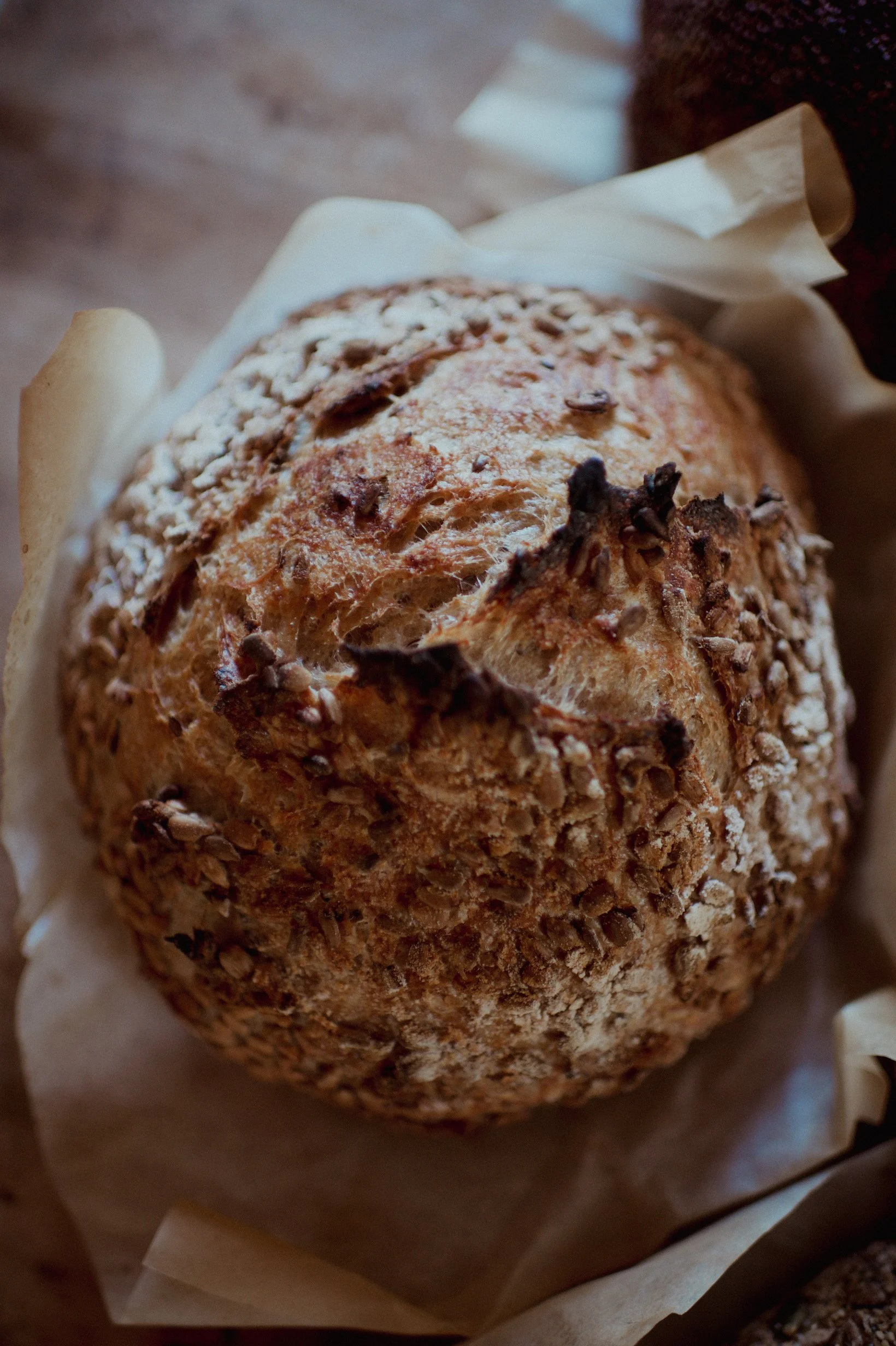
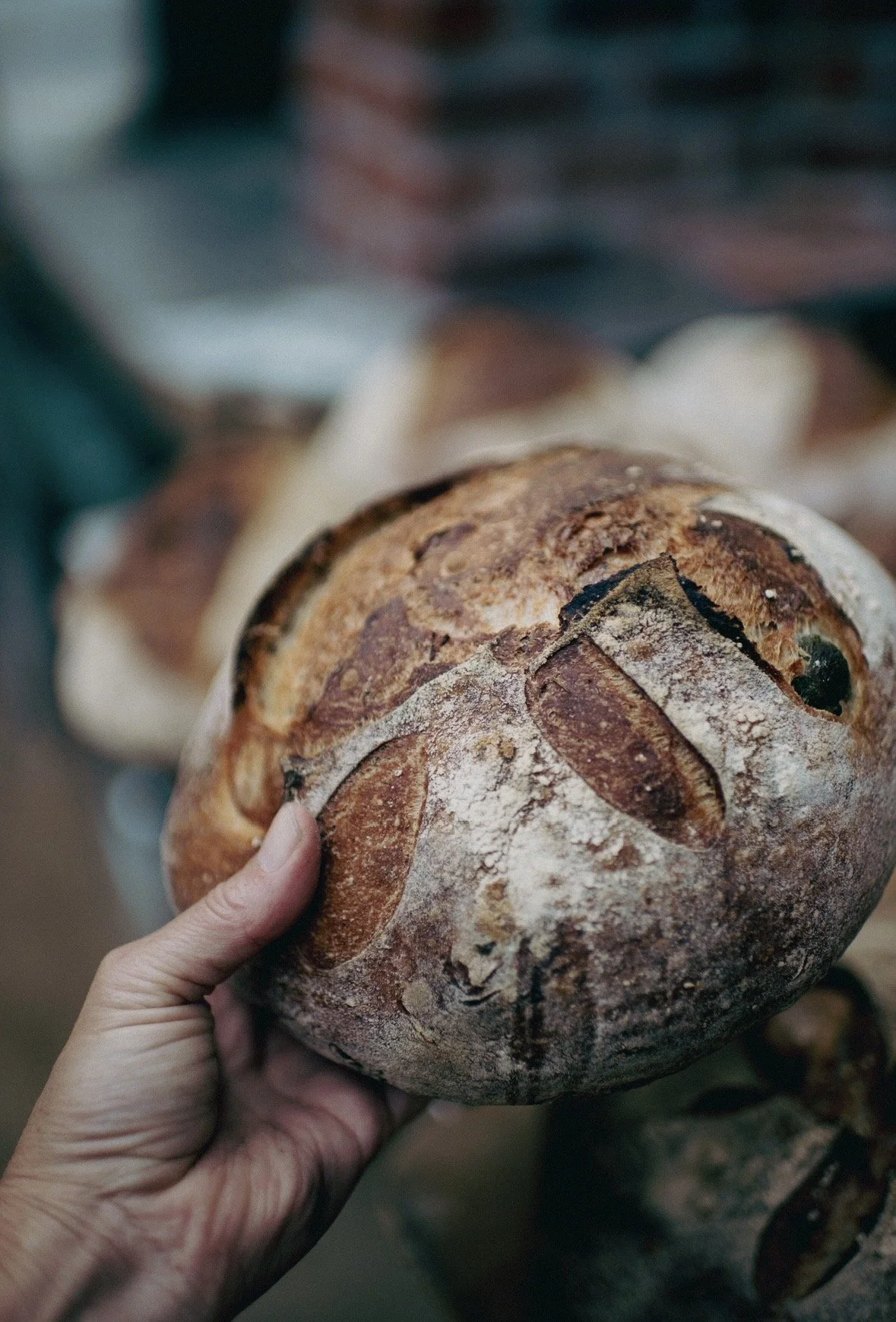
Even in the crazy heat of our early fall, the hills still offer something. In the spirit of sourdough add ins this month, I thought I would experiment with something new in my kitchen. Perhaps it will inspire others to get creative in their home kitchens and backyard wonderlands. Foraging is fun and full of information. It gets you thinking about things beyond just flavor: smells, textures, history, memories. Bread is a food of place. Your wild sourdough is a result of what lives where you live. It is unique to you and your kitchen. What else can you find to deepen that bond to home? What can you find that makes your baking and cooking deeply authentic and unique to you?
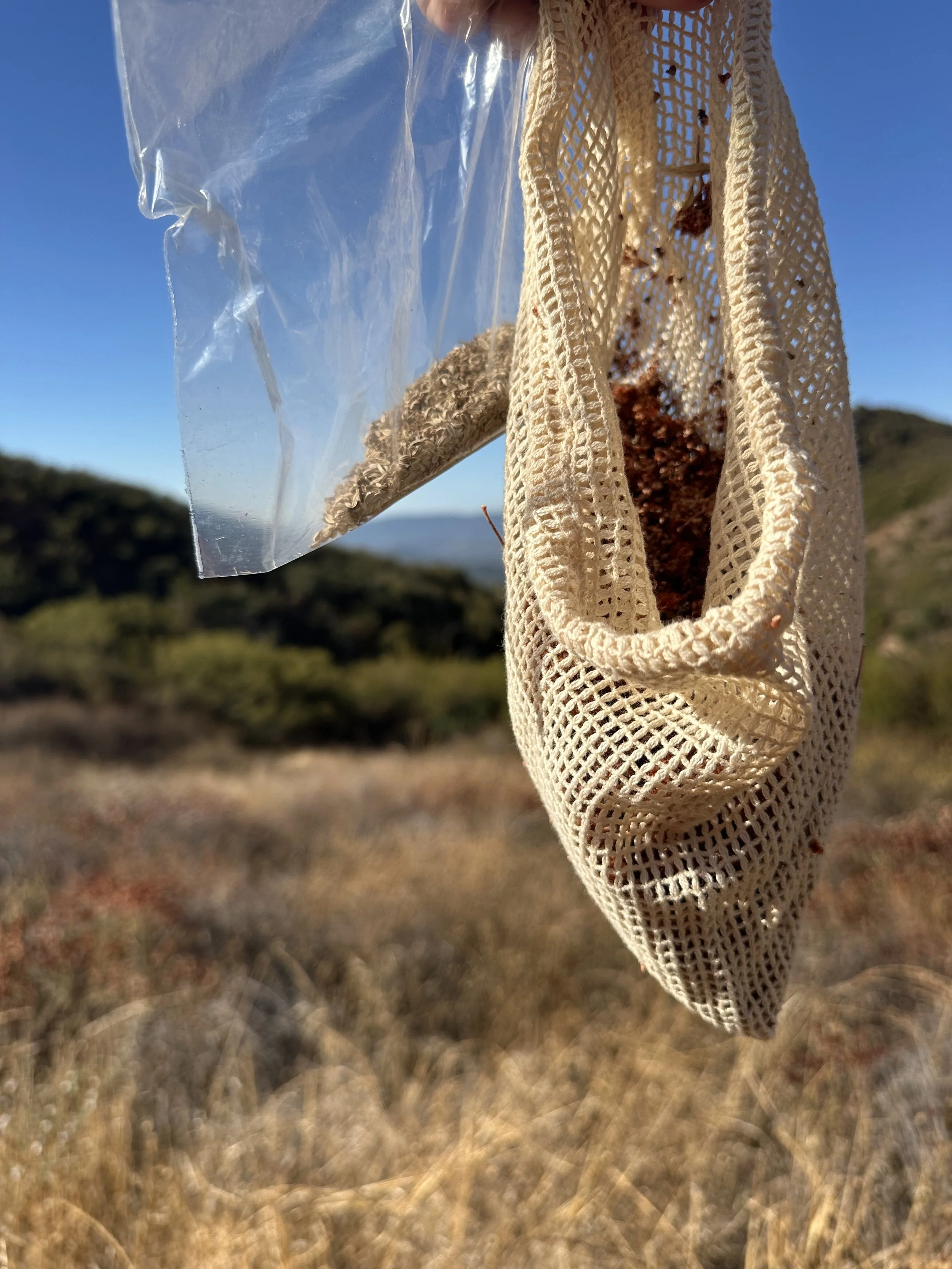
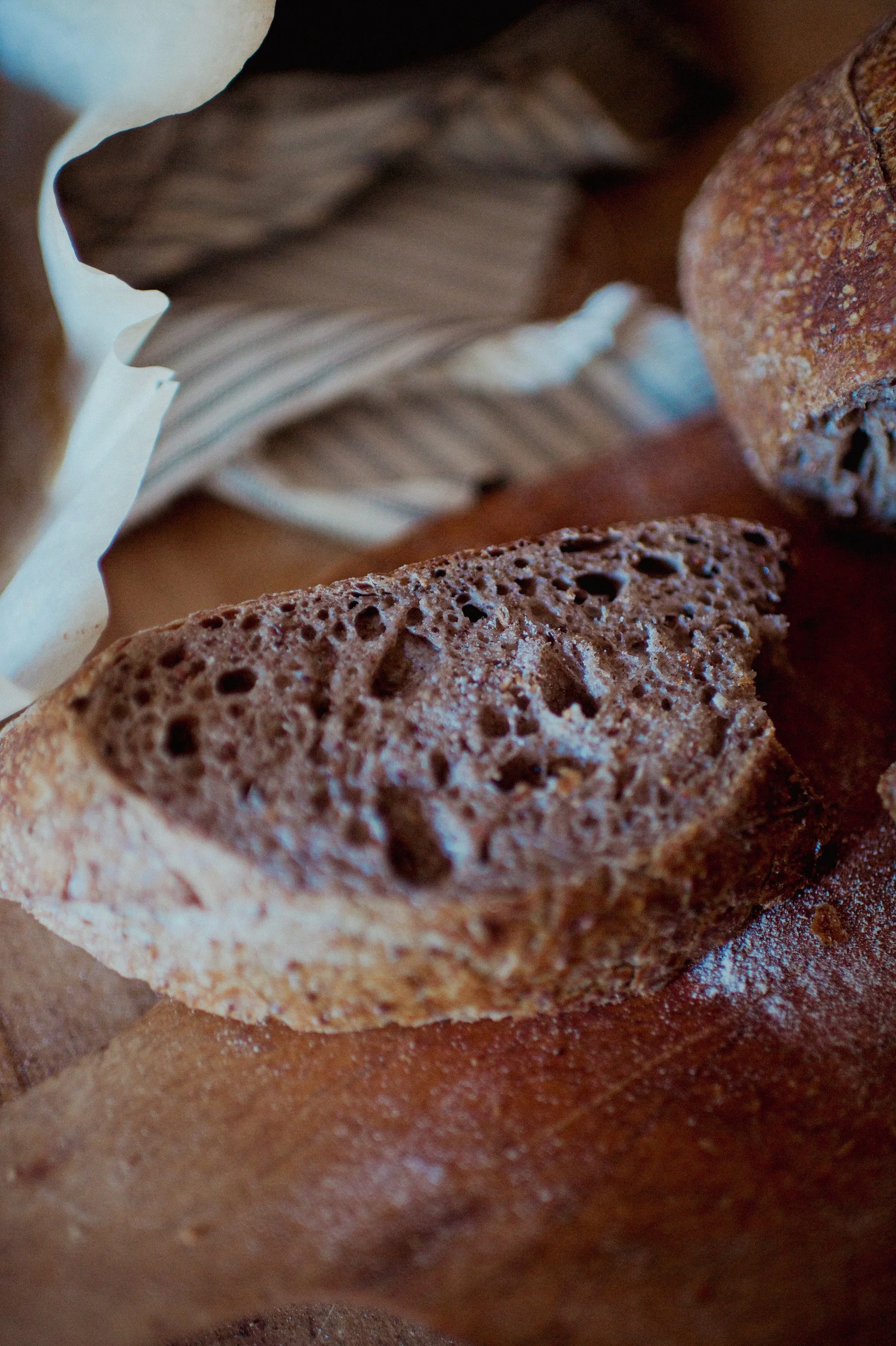
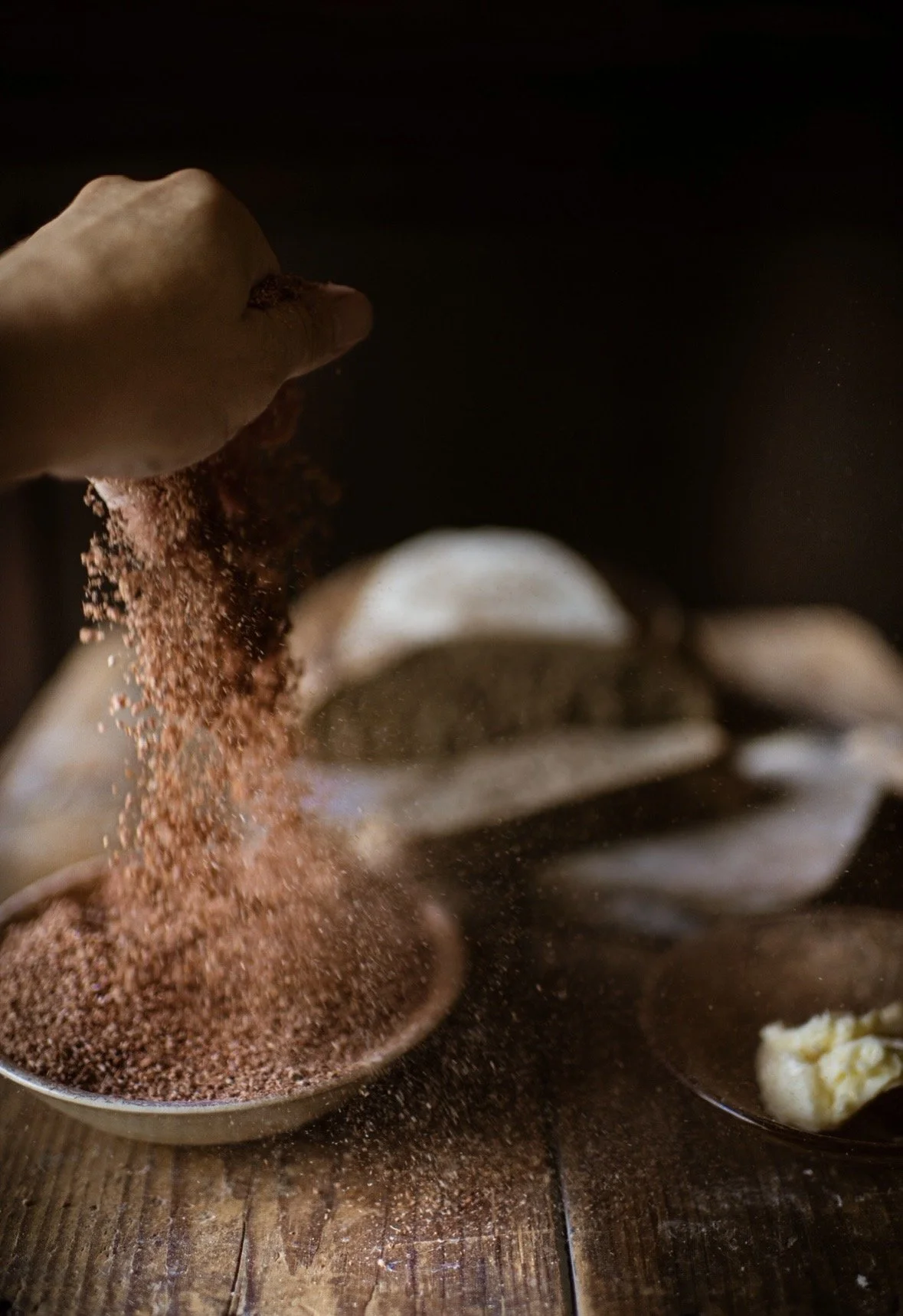
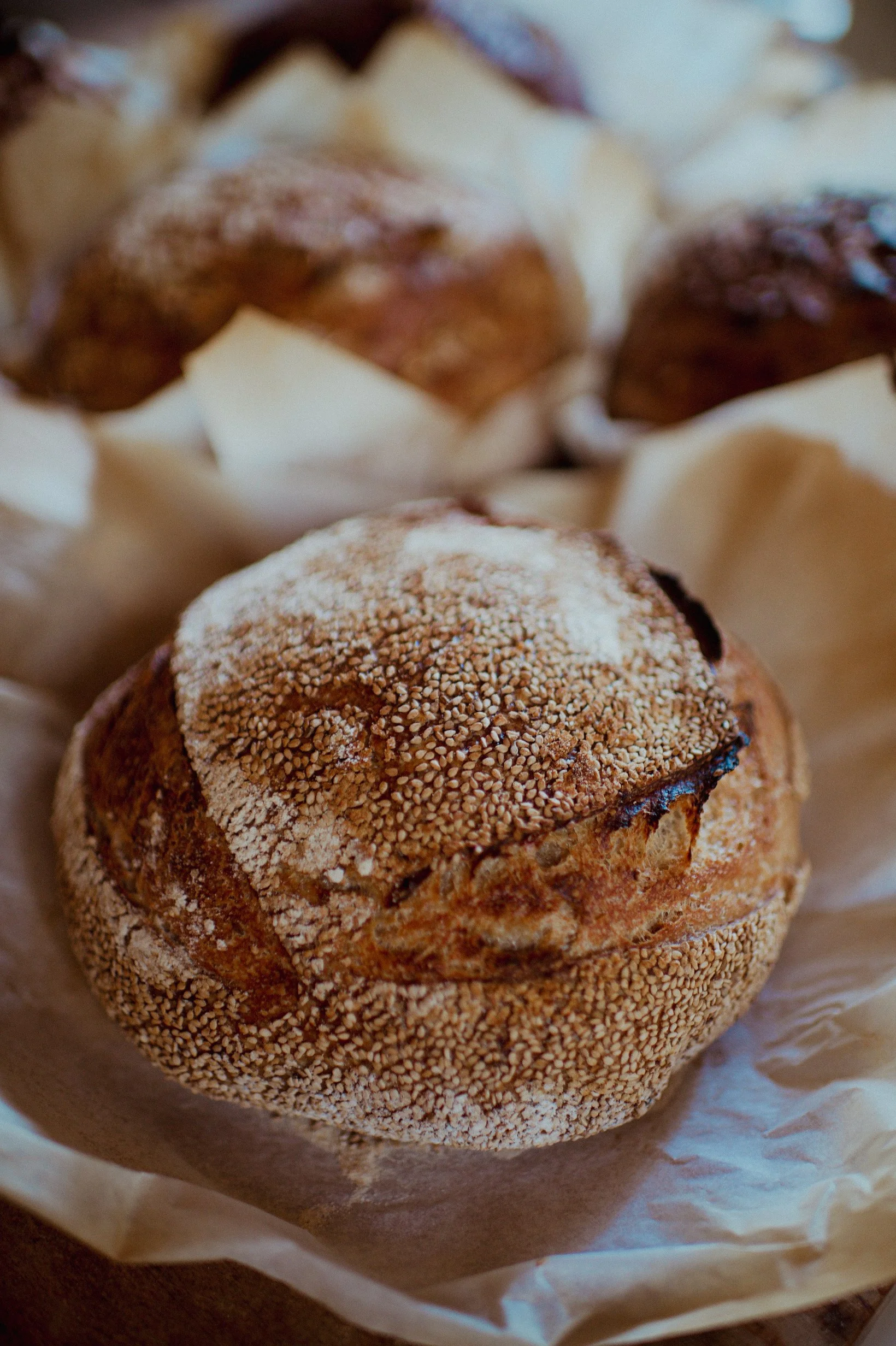
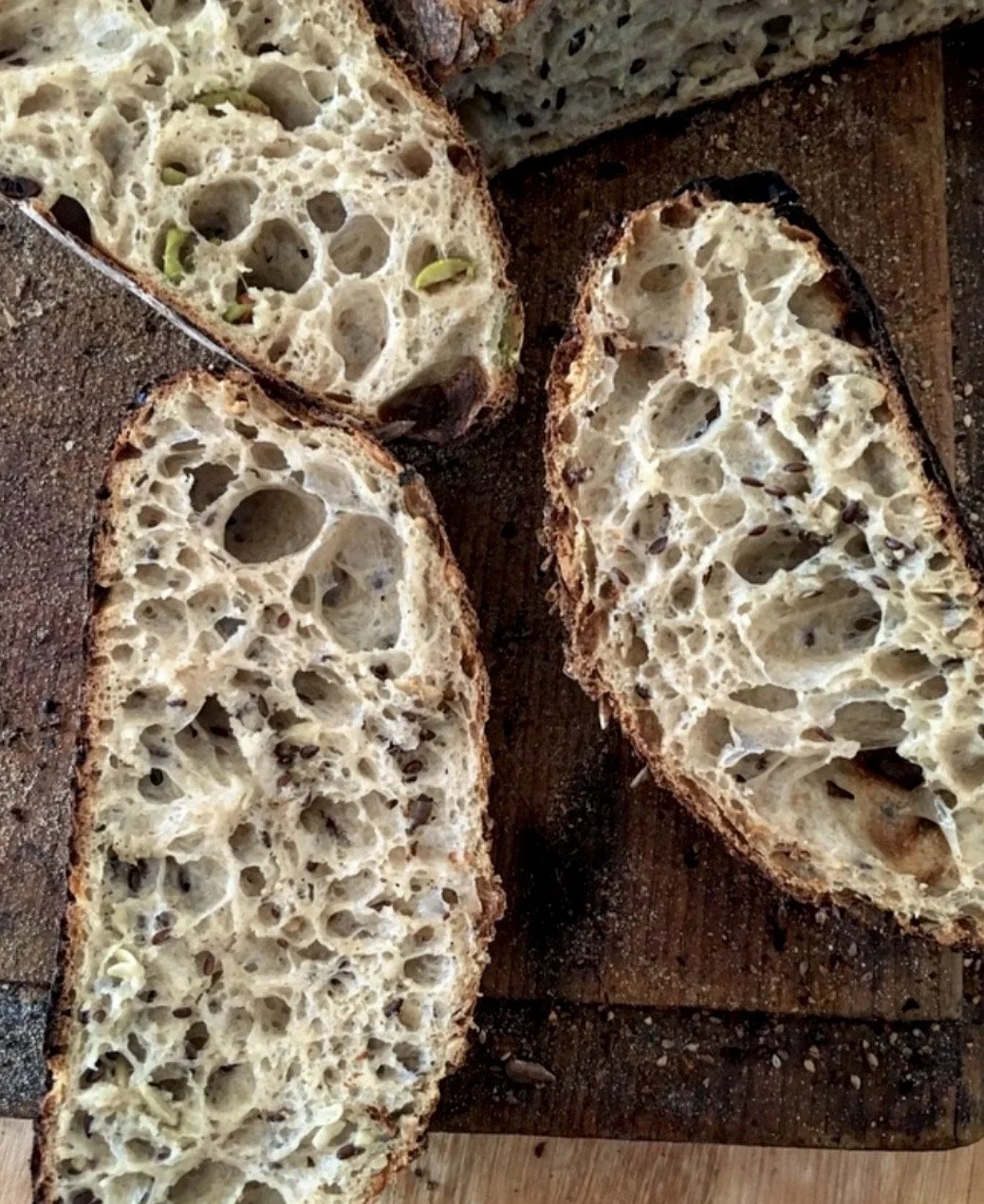
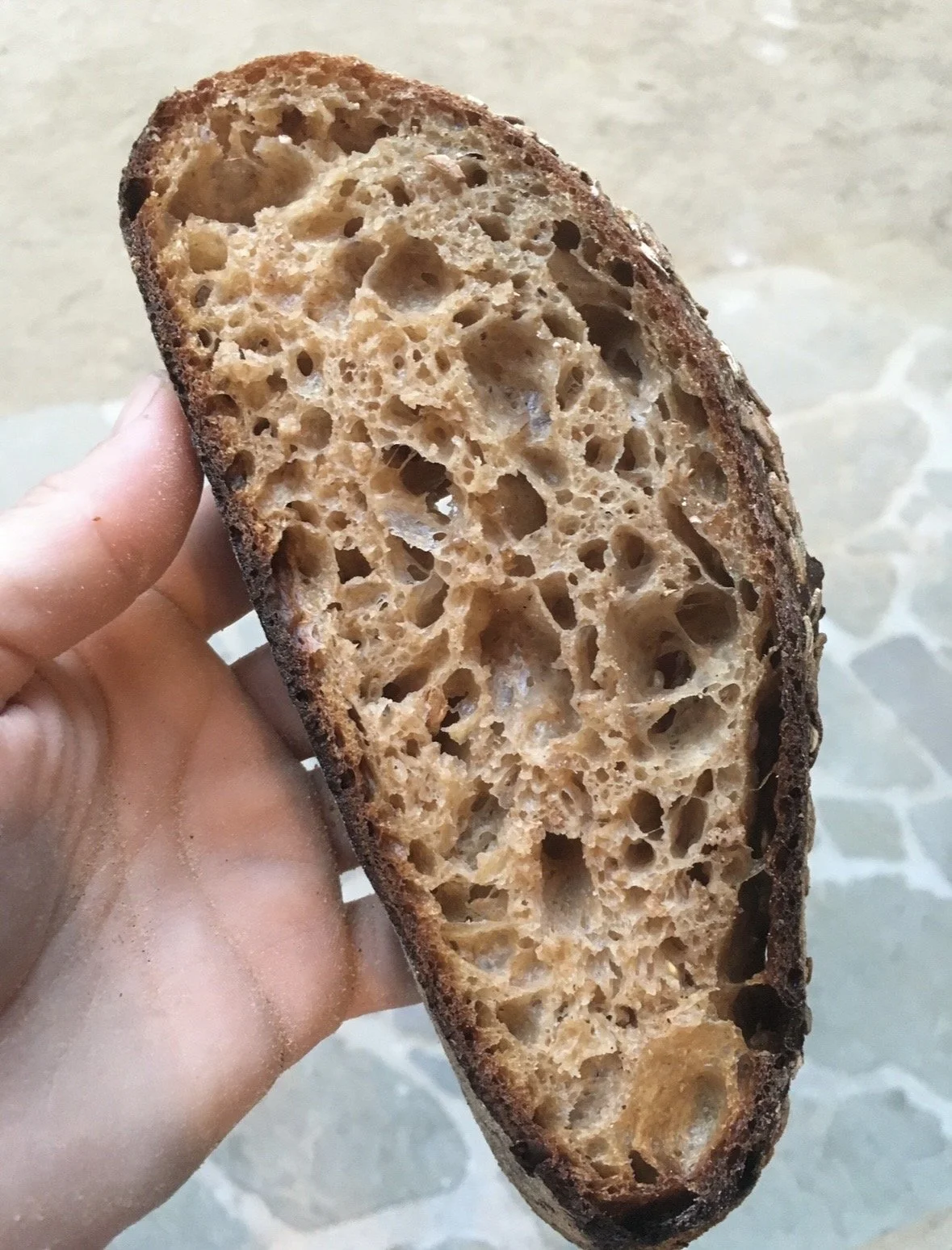
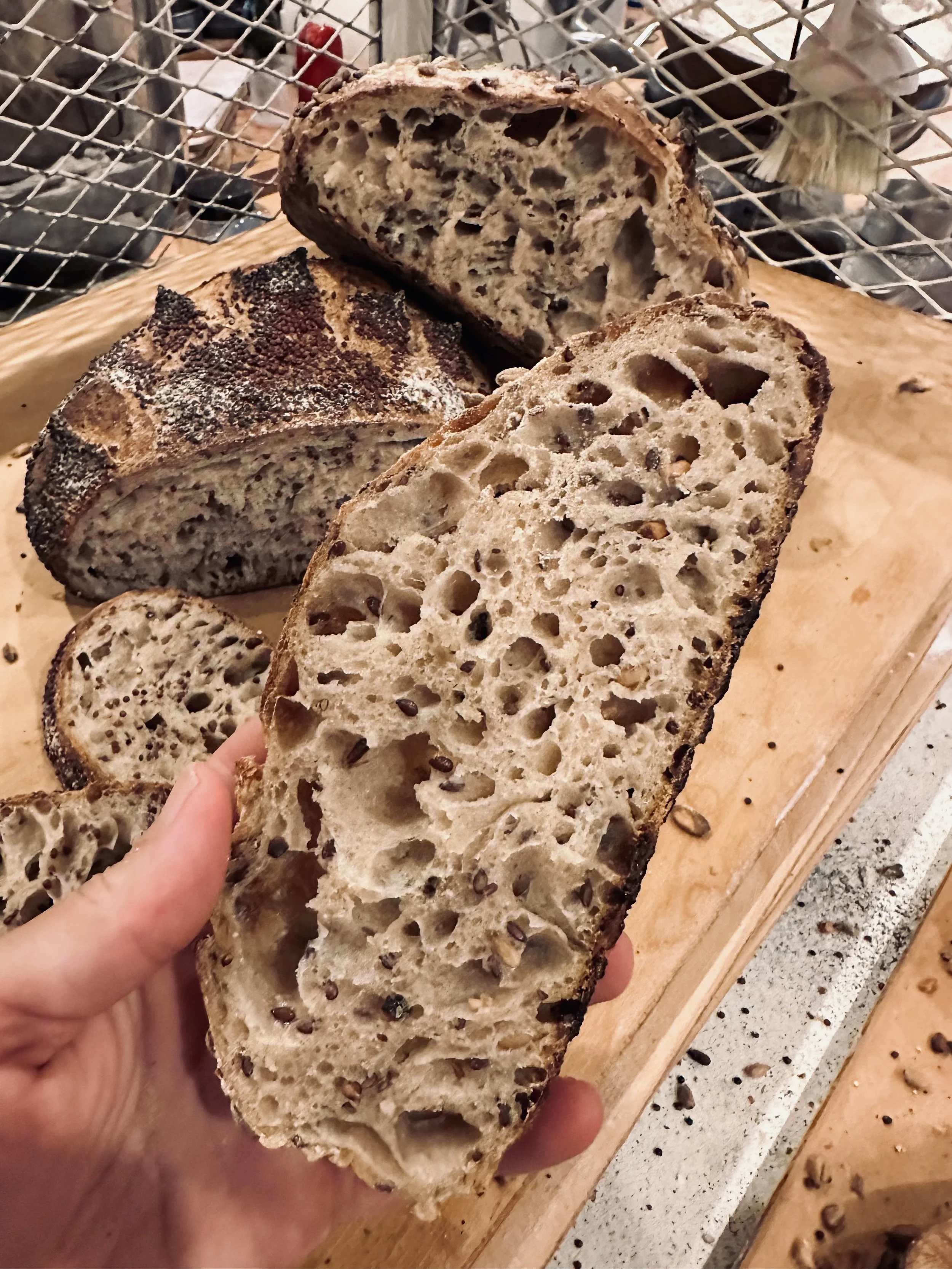
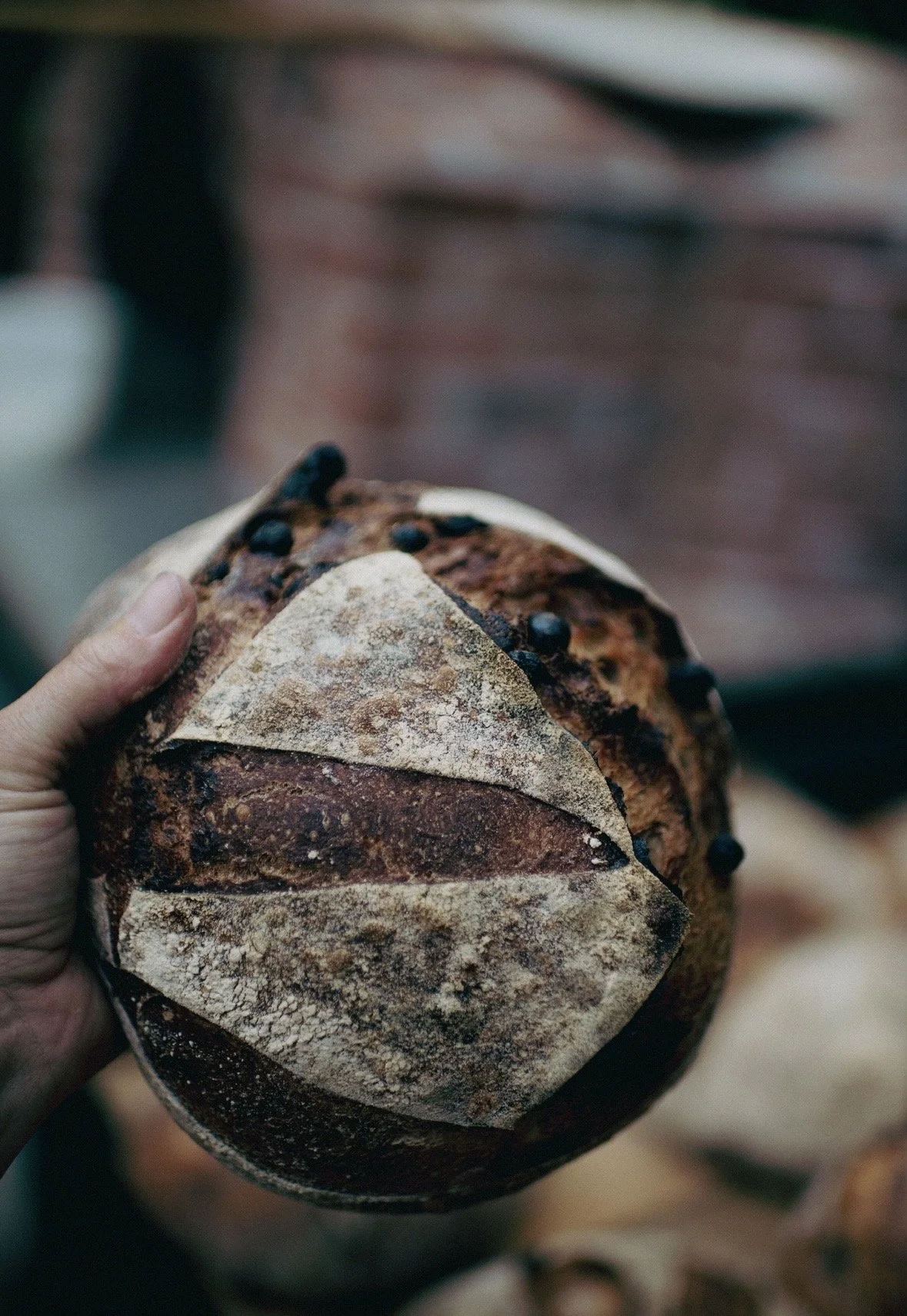
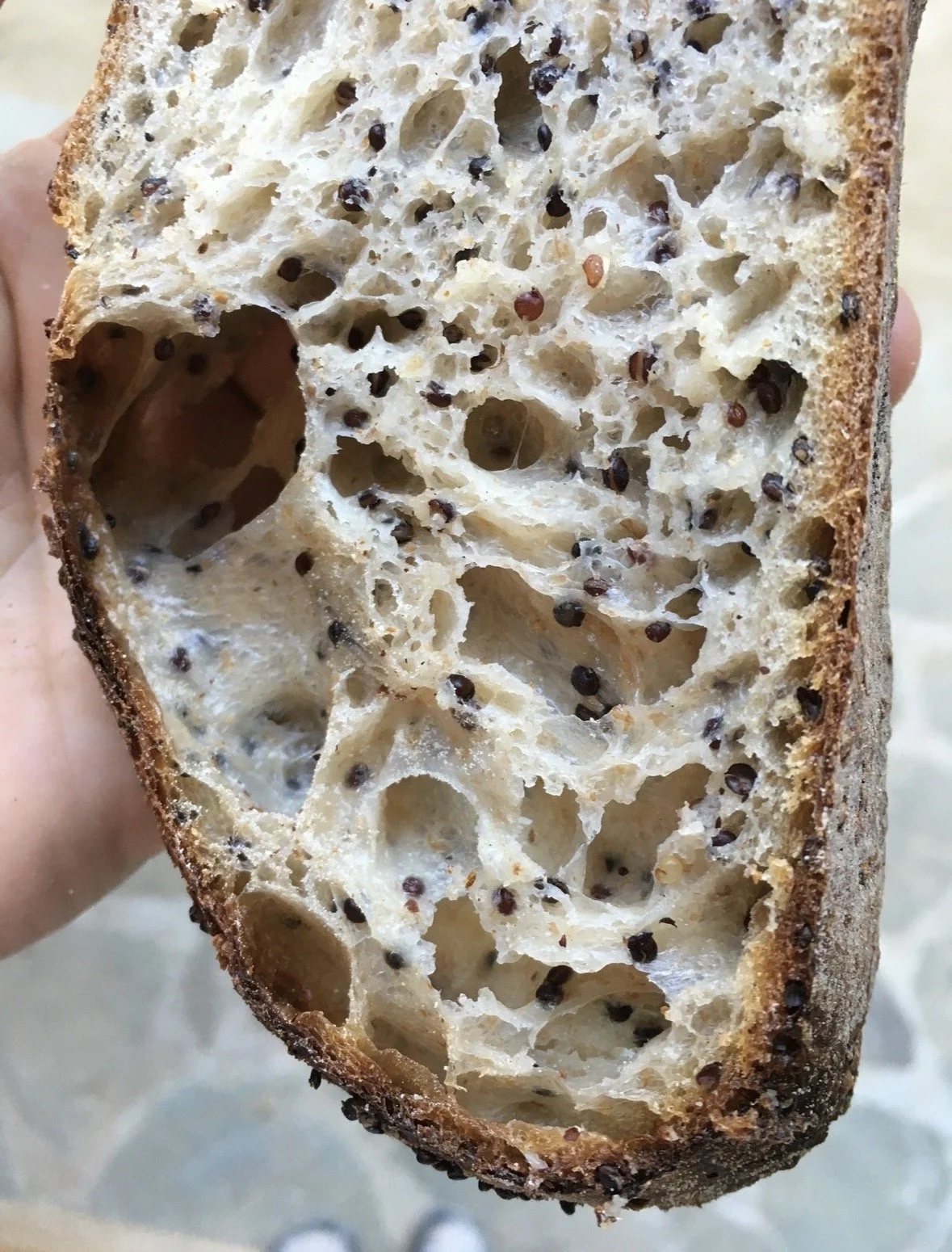
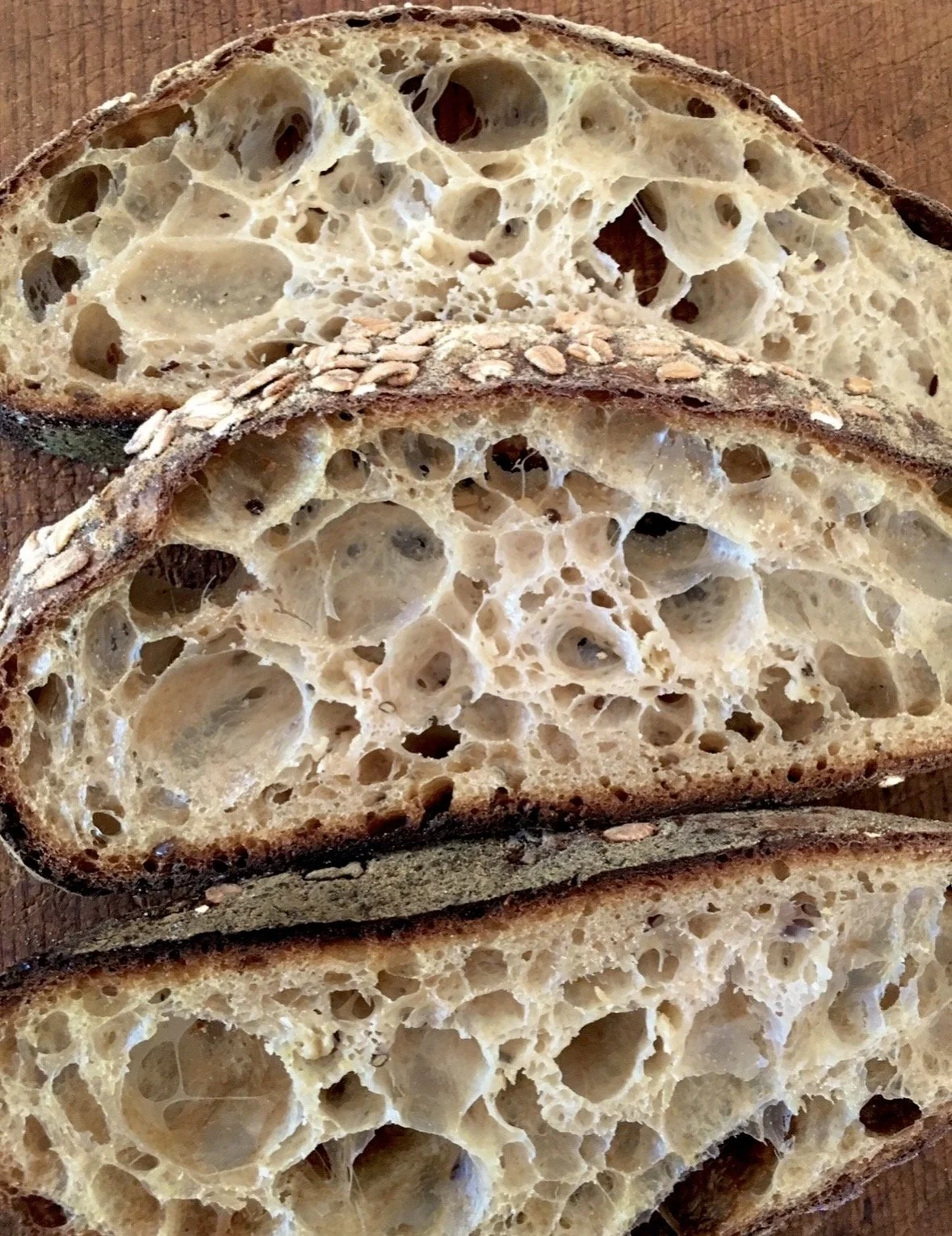
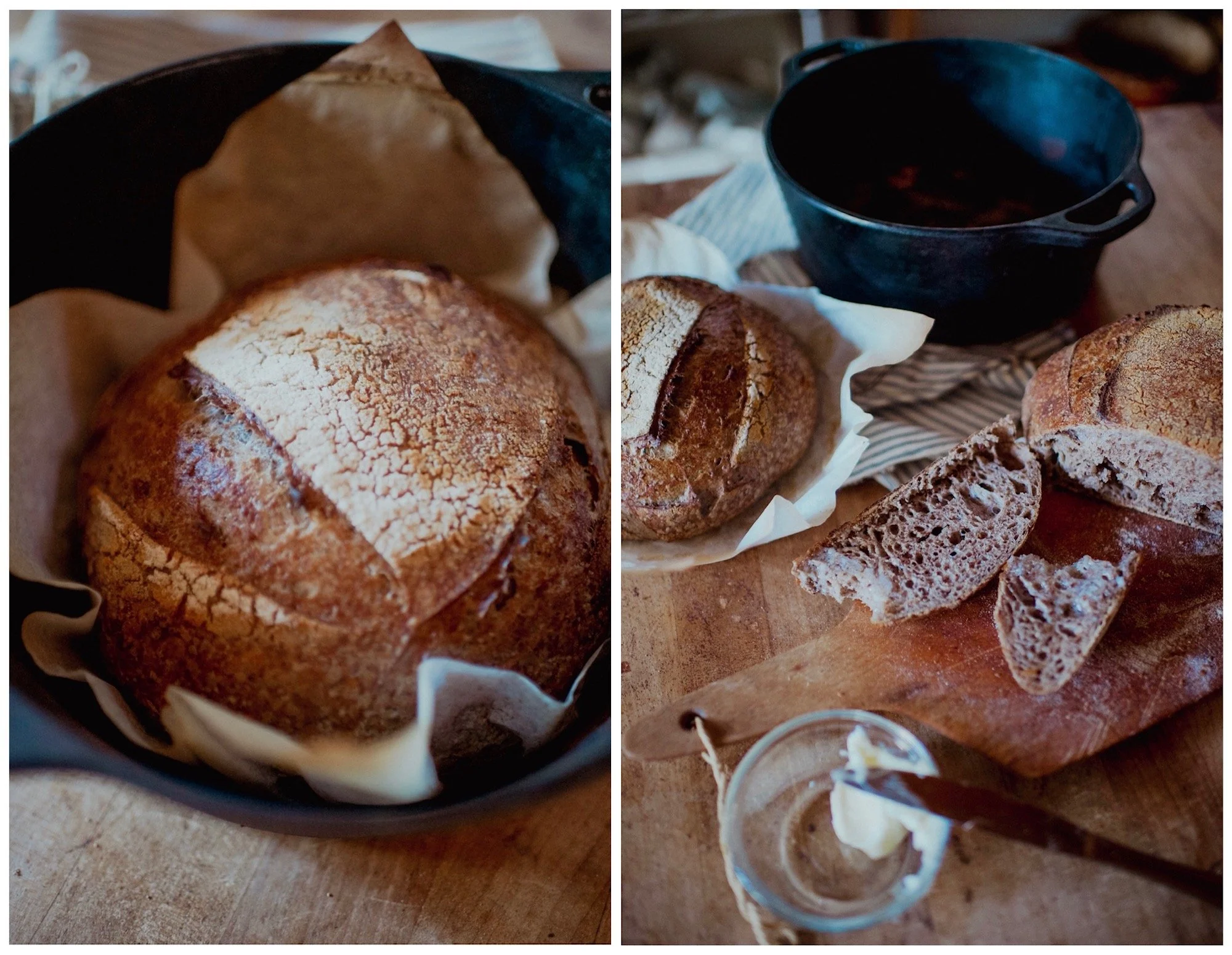
The smells of my hills in fall are of the chaparelle. Things are dry and passing. What I have noticed recently is the abundance of a deep maroon buckwheat. It is wild Californian Buckwheat and rather different than a domesticated version that is characterized by a large sturdy groat. Our wild version has a very, very, small black seed groat, that is almost undetectable within the deep red chafe of the flower. It is not possible to make flour from the wild seeds, but instead, you can make a powdery meal from the chafe by pulsing it in a food processor. The meal can be added to the flour mixture as an additive, instead of the foundation of your dough. In my experiments, it appears to add a nice flavor of the hills, but even more brilliant, is the color it makes your crumb. The color grey and purple, maybe a light slate. It is, aproposly, wild.
My other finding was a littering of wild fennel along the trail edge. The fennel is not native and can be considered an inappropriate weed, unwanted and unloved. In ancient folklore it was known as the “snake herb”. It was believed that serpents would eat fennel or rub their eyes against the stalks of the plant after shedding it’s skin to restore and sharpen their eyesight. I am not sure if this is true but I have come across many snakes along the trails and perhaps a companion situation has developed over many years. Other stories equate fennel to great victories and athletic achievements. I am, therefore, rewarded after my steep climb up the hill in the morning with the smell of fennel. Whatever the story, I find it welcoming in the hills. There is an abundance of seeds that come off the stalks easily, so it is easy to collect. I have used fennel often in my sausage rolls, but never in my bread.